Netanyahu Did Not Press Trump for Iran Strike During White House Meeting, Official Says
A senior Israeli official said the two leaders reviewed diplomatic, economic and military options on Iran in what was described as an "exchange of ideas," while stressing that the final decision rests with US President Donald Trump.
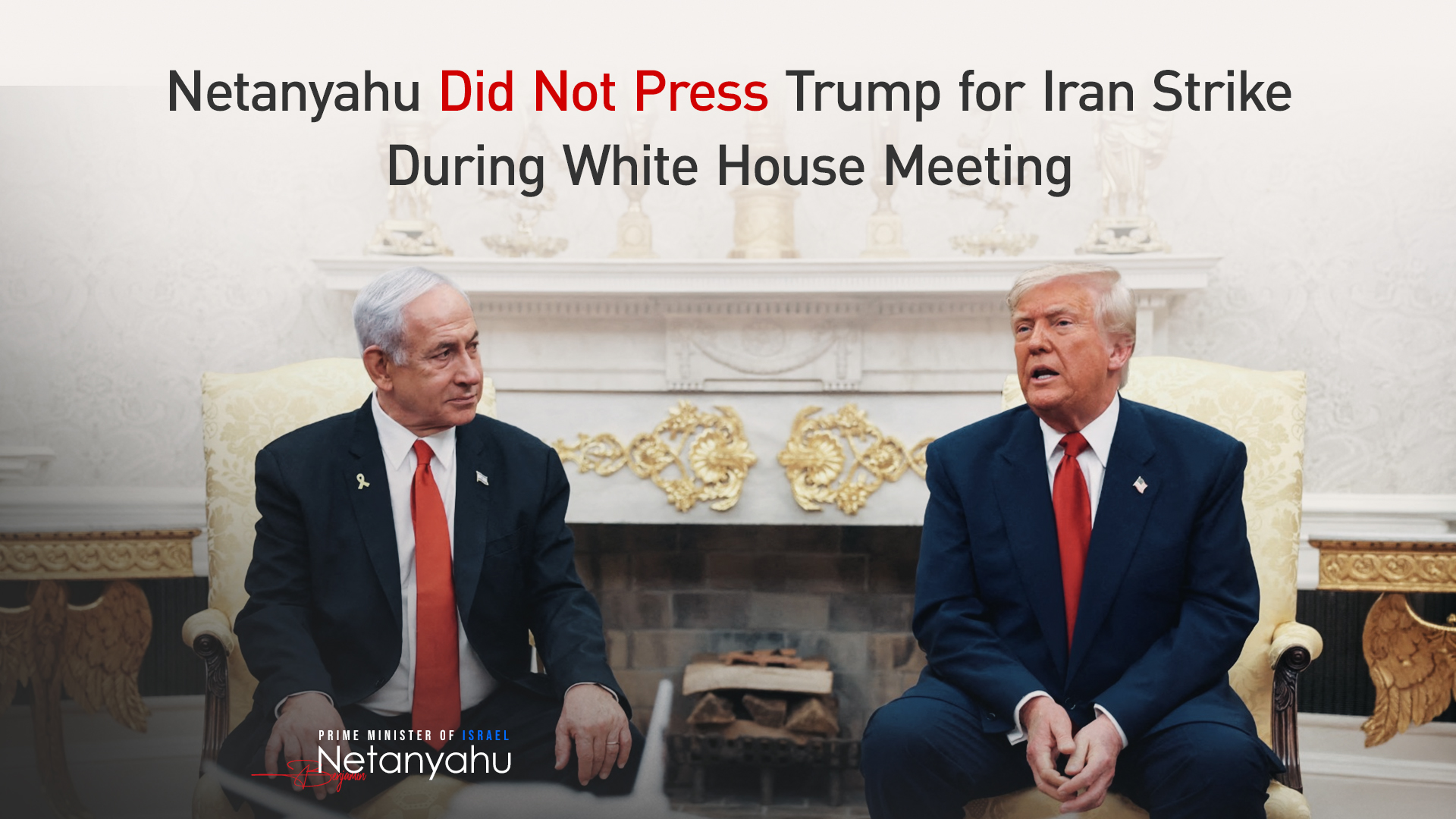
ERBIL (Kurdistan24) - Israeli Prime Minister Benjamin Netanyahu did not advocate for any single course of action on Iran during his Oval Office meeting with US President Donald Trump, instead engaging in what a senior Israeli official described to the Times of Israel, as an "exchange of ideas" covering several possible paths forward.
According to the official, the discussion centered on three principal scenarios for dealing with Iran.
The first involved pursuing a diplomatic agreement with Tehran. The second focused on maintaining economic pressure through sanctions and a blockade of Iranian ports without reaching a formal agreement. The third considered launching a new large-scale military offensive against the Islamic Republic.
"We talked about each of these options extensively and honestly—not in an attempt to promote one over the other, but to really examine which might lead to the most desirable outcome," the senior Israeli official said.
The official rejected suggestions that Netanyahu travelled to Washington to persuade Trump to resume military strikes against Iran, distinguishing the latest meeting from Netanyahu's previous visit in February.
According to the official, Netanyahu did not tell Trump which of the three scenarios he preferred, although he expressed doubts that Iran would honor any future agreement.
Instead, both leaders examined the advantages and disadvantages of each option in pursuit of what the official described as their shared objective of preventing Iran from obtaining nuclear weapons.
The senior Israeli official stressed that the ultimate decision on how to proceed belongs to President Trump.
However, the official added that Israel would not wait for an American green light if Iran were to attack Israel first.
He argued that Iran has so far refrained from launching such an attack because it believes Israel would respond with overwhelming force and because Jerusalem has established a level of deterrence against Tehran.
The Oval Office meeting was Netanyahu's first face-to-face meeting with Trump since the Iran war began on Feb. 28, 2026.
The two leaders met after weeks of renewed tensions surrounding the US-Iran memorandum of understanding, which was intended to halt the conflict but has since unraveled amid continuing disagreements over the Strait of Hormuz.
Their meeting also came as Trump has been weighing future US policy toward Iran, including diplomatic efforts, continued economic pressure and the possibility of renewed military action.
The meeting highlighted continued close coordination between Washington and Jerusalem on Iran while underscoring that the Trump administration is still weighing multiple options as regional tensions remain high.