Iraqi PM Marks Barzani Anfal Anniversary, Reaffirms Commitment to Federal Iraq
Iraqi Prime Minister Ali al-Zaidi commemorates the 43rd anniversary of the Barzani Anfal campaign, honoring the victims while reaffirming Iraq's commitment to democracy, federalism, constitutional rights, and national unity.
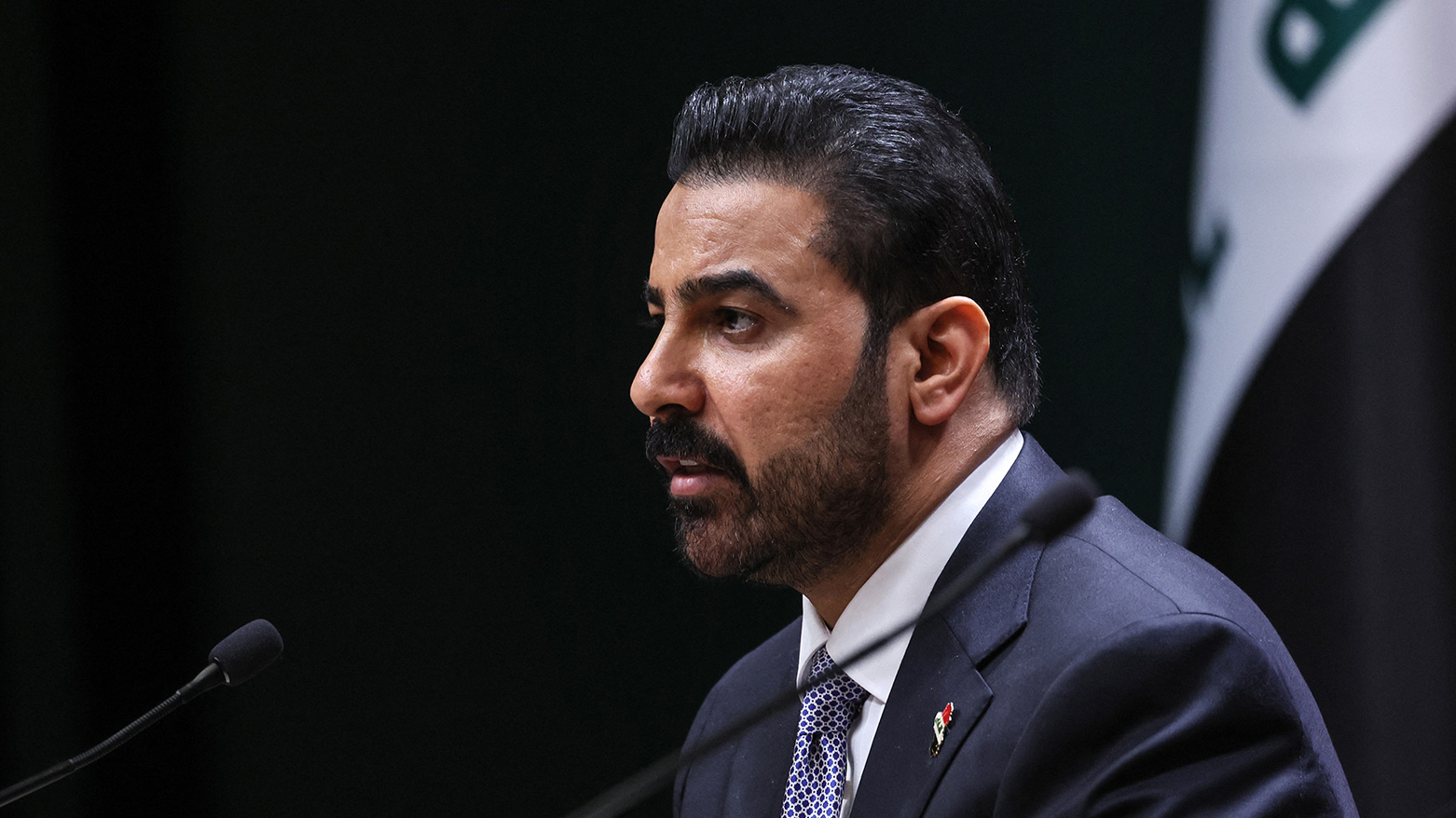
ERBIL (Kurdistan24) - Iraqi Prime Minister Ali Zaidi on Friday commemorated the 43rd anniversary of the Barzani Anfal campaign, describing the atrocity as part of the former Ba'ath regime's failed attempt to eradicate Kurdish identity while reaffirming his government's commitment to protecting Iraq's democratic and federal constitutional order.
In an official anniversary statement, Zaidi portrayed the Barzani Anfal as one of the defining crimes committed during decades of authoritarian rule, arguing that the campaign formed part of a broader pattern of persecution that included mass killings, forced disappearances, and the creation of mass graves across Iraq.
Yet, he said, those policies ultimately failed to extinguish the determination of Iraq's people or prevent the country's transition toward democracy after the fall of dictatorship.
The Prime Minister extended his condolences to the Kurdish people, the leadership of the Kurdistan Democratic Party (KDP), and President Masoud Barzani, presenting the anniversary as an occasion to remember both the victims and the sacrifices that helped shape Iraq's contemporary political system.
"We take immense pride in these great sacrifices," Zaidi said in the statement, adding that the Barzanis' struggle, together with the sacrifices of Iraq's other communities, "paved the way for the dawn of freedom and the establishment of our democratic, federal system," where constitutional rights serve as the foundation of public life.
His message framed remembrance not only as an act of honoring the past but also as a reaffirmation of the constitutional principles underpinning relations between Baghdad and the Kurdistan Region.
By linking the Barzani victims' legacy to Iraq's democratic institutions, Zaidi emphasized that preserving federalism, protecting citizens' rights, and strengthening national unity remain central responsibilities of the state.
The Prime Minister concluded by reiterating his government's commitment to confronting current national challenges through cooperation and constitutional governance, expressing support for continued efforts to build "a strong, free, and fully sovereign Iraq."
The anniversary commemorates one of the earliest and most devastating chapters of the Anfal campaign, which Kurdistan24's background reporting identifies as the opening phase of the broader genocide carried out against the Kurdish people by the former Iraqi regime.
Beginning in late July 1983, Iraqi security forces launched coordinated operations targeting Barzani communities, carrying out systematic arrests and forced disappearances that ultimately claimed the lives of more than 8,000 Barzanis.
Families were separated, thousands of men and boys vanished into detention, and many were later executed before being buried in remote mass graves in Iraq's Busayyah Desert.
The scale and organization of the operation established a pattern that would later characterize the wider Anfal campaigns conducted across Kurdistan during the 1980s. The crimes left lasting scars on Kurdish society and remain among the defining events in the region's modern history.
Over the past two decades, successive efforts have led to the recovery and return of victims' remains to the Kurdistan Region.
According to Kurdistan24's background report, repatriations took place in several stages, allowing hundreds of families to finally bury their relatives after years of uncertainty.
The legal significance of the Barzani Anfal was reinforced in 2011, when the Iraqi High Tribunal ruled that the crimes committed against the Barzanis constituted genocide. That judgment marked a major milestone in acknowledging the atrocities under Iraqi law and formally recognizing the systematic nature of the campaign.
Even so, significant issues remain unresolved. Kurdistan24's background report notes that Iraq's federal parliament has yet to formally recognize the Barzani genocide, while many victims' families continue to seek compensation and the full legal rights that would accompany broader federal recognition.
Those outstanding issues continue to shape the anniversary's political significance. Annual commemorations serve not only as moments of remembrance but also as reminders of continuing demands for justice, accountability, and the preservation of historical memory.
Against that backdrop, Zaidi's message sought to connect one of the darkest episodes in Iraq's history with the country's democratic future.
By honoring the victims while emphasizing constitutional governance and federal partnership, the Prime Minister presented the Barzani Anfal as a tragedy whose legacy extends beyond remembrance, underscoring the enduring importance of safeguarding democracy, protecting diversity, and ensuring that the crimes of the past are neither forgotten nor repeated.
|
Summary Iraqi Prime Minister Ali Zaidi commemorated the 43rd anniversary of the Barzani Anfal, honoring the victims while linking their sacrifices to Iraq's democratic and federal future. His message reaffirmed constitutional governance as the country continues to confront the legacy of the genocide. |