Iran Threatens Strikes on Israeli and US Energy Infrastructure as Senior Official Warns Against "Recklessness"
Tehran signals readiness to escalate to critical infrastructure targeting as Camp David war council concludes and Trump weighs massive military campaign options against Iran
WASHINGTON, D.C. (Kurdistan 24) - A senior Iranian security official warned on Thursday that Tehran's response plan includes striking critical infrastructure in Israel and US energy infrastructure across the region, in the most explicit public threat yet to widen the conflict's geographic and economic scope beyond the Strait of Hormuz, as the official simultaneously dismissed reports of potential American and Israeli strikes on Iranian infrastructure as a "form of recklessness."
Iran's IRGC-affiliated Tasnim News Agency quoted the senior security official directly, stating that Tehran's response plan targets the critical infrastructure of Israel and US energy infrastructure in the region. The official also said Iran considers reports of potential US and Israeli attacks on Iranian infrastructure to be a "form of recklessness," framing any such escalation as a provocation that would trigger the full weight of Tehran's stated response plan.
The dual message, announcing Iran's own escalatory targeting doctrine while simultaneously warning Washington and Jerusalem against striking Iranian infrastructure, reflects Tehran's attempt to establish mutual deterrence at a moment when the conflict is approaching one of its most dangerous thresholds. President Trump told Axios this week that he is weighing whether to launch a "massive attack" on Iran bigger than anything yet attempted, and the Wall Street Journal reported that CENTCOM is preparing options for a 10 to 14-day intensive air campaign specifically aimed at degrading Tehran's missile capabilities.
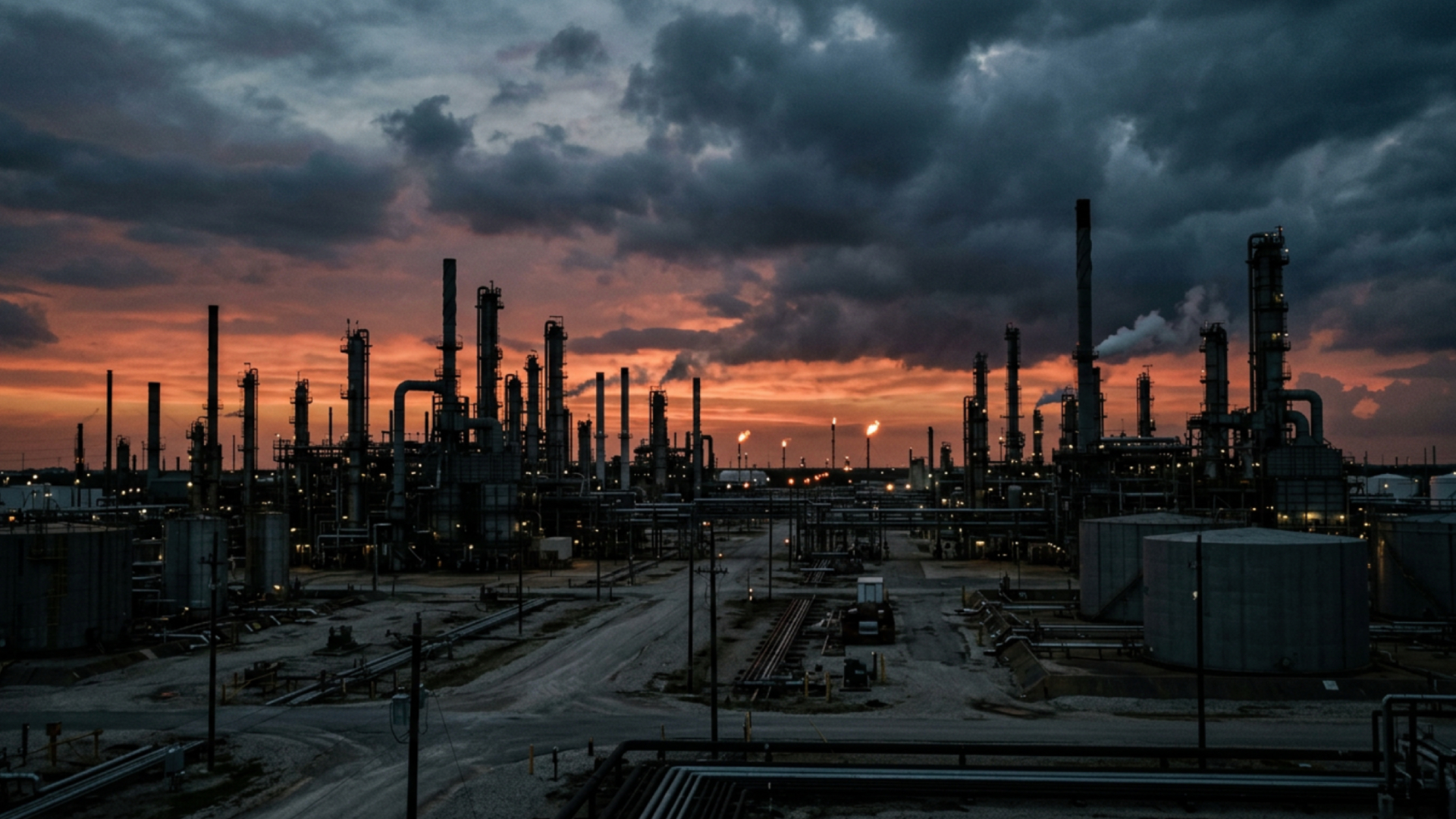
The threat to US energy infrastructure in the region carries immediate and concrete implications for the Gulf states that host American military facilities and serve as anchors of global oil supply. Saudi Arabia's Gulf export terminals of Ras Tanura and Juaymah, Qatar's LNG facilities at Ras Laffan, the UAE's energy infrastructure, and the network of pipelines, refineries, and port facilities across the Gulf Cooperation Council states all fall within the geographic scope of what Iranian officials have previously described as legitimate targets. QatarEnergy disclosed on March 19, 2026, that damage to one of its LNG facilities struck by Iran earlier in the conflict would result in $20 billion in lost revenue and require up to five years to repair, illustrating the scale of damage a targeted Iranian infrastructure campaign could inflict.
The threat to Israeli critical infrastructure adds a new dimension to Iran's stated escalatory posture. Throughout the conflict, Iran's direct strikes on Israel have primarily targeted military and population centers. A shift toward Israeli critical infrastructure, including power generation, water systems, ports, and communications networks, would represent a qualitative change in Iran's targeting doctrine with potentially severe humanitarian consequences.
The Tasnim statement arrives on the same day Trump and his Cabinet convened at Camp David for their 13th meeting of his second term, with the Iran war dominating an agenda shaped by a conflict that has produced American casualties, a record low 32 percent presidential approval rating, oil prices briefly surging above $100 a barrel, and no diplomatic resolution on the horizon. Secretary of State Marco Rubio reaffirmed at the meeting that Washington prefers "the negotiated diplomatic route," while Trump warned that Hegseth would "finish them off" if Iran did not meet American demands.
Iran's senior security official's warning on Thursday also comes just one day after Trump announced on Truth Social that the Board of Peace has reached a historic agreement for the complete disarmament of Hamas and all armed groups in Gaza, a development Tehran has consistently framed as part of an American-Israeli regional restructuring project that threatens Iran's network of allies and proxies across the Middle East.
As the conflict enters its 154th day, with the memorandum of understanding that briefly promised an end to hostilities in June now in tatters, Iran's explicit public statement of infrastructure targeting doctrine signals that both sides are approaching a decision point about whether the current exchange of nightly strikes and proxy attacks represents the ceiling of the conflict's escalation or merely a plateau before a far more destructive phase.
|
BRIEF: |