KCK Says Peace Process With Türkiye Has Stalled, Warns Against Further Delays
Sozdar Avesta, a member of the Kurdistan Communities Union (KCK), says the peace process with Türkiye is stalled, urging a monitoring commission, access to Abdullah Ocalan and practical steps from Ankara.
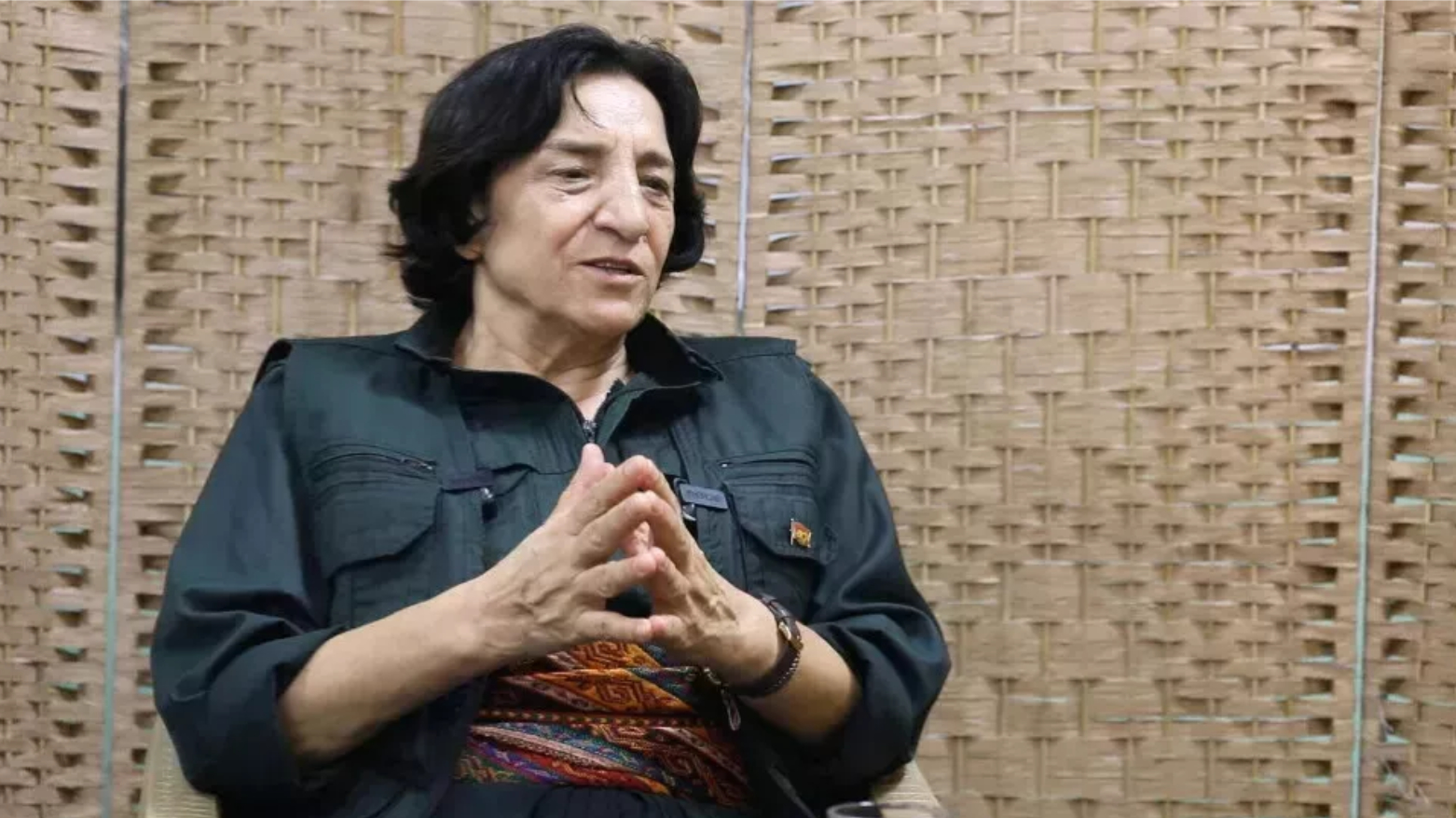
ERBIL (Kurdistan24) - Sozdar Avesta, a member of the Kurdistan Communities Union (KCK) General Presidential Council, said the peace process with Türkiye has neither collapsed nor advanced, accusing Ankara of failing to take practical steps after what she described as significant moves by the Kurdistan Workers' Party (PKK) and its leadership.
In an interview with Stêrk TV reported Friday, Oct. 30, Avesta said Abdullah Ocalan and the movement had met their responsibilities, but no corresponding changes had emerged from the Turkish government. She warned that the movement would not wait indefinitely for political progress.
"It may not be accurate to say that the process has completely stopped, but neither is it moving forward," she said, according to an interview published by ANF News. She argued that Turkish authorities now needed to explain how they intended to proceed.
Her comments highlight the disagreement over the next stage of the initiative: the movement says it has already taken measures required to advance negotiations, while Avesta says the institutions and access needed for further talks have yet to materialize.
Avesta cited the withdrawal of PKK guerrillas from areas of Türkiye referred to by the movement as northern Kurdistan and the evacuation of positions in the Medya Defense Zones, including Metina, as evidence of the movement's commitments. Those steps, she said, preceded a public declaration issued on Oct. 8.
"At the official level, we announced on Oct. 8 that we had fulfilled our responsibilities, but more than 20 days have passed since that step and the other side has remained silent and has not taken the necessary measures," she said.
The next priority, according to Avesta, is a monitoring commission capable of following the process and enabling direct engagement with Abdullah Ocalan at Imrali. She said delegations of journalists, academics and politicians should have been permitted to visit him, allowing him to participate actively in the negotiations.
Referring to remarks by the speaker of Türkiye's parliament about setting up such a body, she questioned why the process had not advanced earlier.
"That commission should have been established two and a half months ago. Therefore, there are concerns that the process may be delayed under the pretext of forming a commission," Avesta said.
She argued that statements expressing support for peace would carry little weight without concrete measures. In her account, Ocalan should be able to coordinate the process under conditions that allow him to communicate freely, a demand she presented as fundamental to any progress.
Avesta also accused the governing Justice and Development Party (AK Party) of treating the Kurdish issue through the lens of electoral interests and changing regional circumstances. She suggested that developments including elections abroad and regional agreements were influencing Ankara's calculations, rather than a sustained commitment to negotiations.
"If the Kurdish issue is assessed according to narrow calculations and external circumstances, the process will not succeed," she warned. The allegation reflected Avesta's assessment of the government's motives; the interview provided no separate confirmation of that claim.
Despite her criticism, Avesta did not declare the negotiations over. She said the movement still supported a political path in which its fighters could participate in public life, but insisted that further progress required action from the Turkish state rather than repeated assurances.
"The freedom movement has never been without alternatives, and we are under no obligation to wait forever. If concrete steps are not taken, the democratic struggle will continue in all arenas," she said.
The interview also addressed the incorporation of the Sinjar Resistance Units (YBŞ) into Iraq's official security institutions. Avesta welcomed the arrangement, announced by Baghdad on Oct. 26, but emphasized that Ezidi self-defense, local administration and cultural rights remained essential alongside military integration.
Her remarks followed a separate endorsement from PKK military figure Murat Karayilan, who described the YBŞ-Baghdad agreement as an appropriate step. Iraqi officials have said the force's separate military structure is being dissolved as its members enter federal institutions, although questions remain over implementation and the removal of foreign fighters.
Read More: PKK Backs Agreement to Integrate YBŞ Fighters Into Iraqi Forces
Avesta additionally raised concerns about attacks against Kurds and returning displaced people in northern and eastern Syria, calling on authorities in Damascus to provide security and protect their rights. These comments formed part of her wider argument that political integration must include safeguards for communities affected by conflict.
For the talks with Türkiye, however, her immediate demands remain specific: a monitoring commission, access to Abdullah Ocalan and practical measures from Ankara. Until those steps are taken, Avesta said, the movement sees the initiative as neither formally ended nor capable of moving forward.