Iraq Denies Reports of US Aircraft Landing at Ain al-Asad Air Base
Security Media Cell urges media and social media users to rely on official sources and avoid spreading unverified information
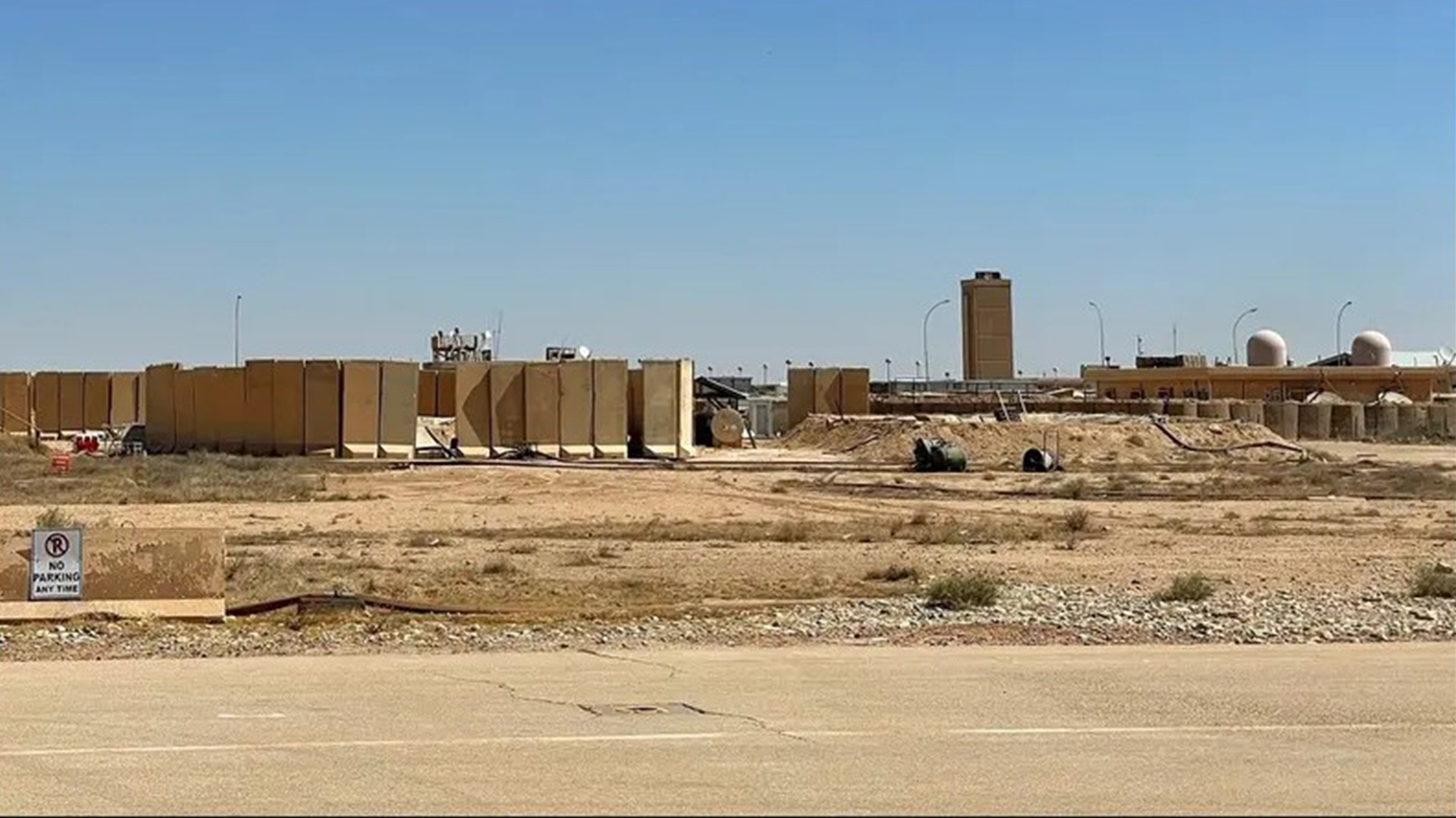
ERBIL (Kurdistan24) — Iraq's Security Media Cell on Sunday denied reports circulating on social media and in some media outlets claiming that US aircraft had landed at Ain al-Asad Air Base in the western province of Anbar, describing the claims as entirely false.
In a statement carried by the state-run Iraqi News Agency (INA), the head of the Security Media Cell, Lt. Gen. Saad Maan, said the reports "are completely false in their entirety and are not based on any official information or statements."
He said that some social media platforms and media organizations had circulated claims alleging the arrival of US aircraft at the military base but stressed that the reports lacked any factual basis.
Maan urged journalists, media organizations, and social media users to exercise accuracy when reporting information and to rely solely on official sources.
He also warned against spreading rumors and unverified reports, emphasizing the importance of verifying information before publication.
The Iraqi denial came as regional security tensions remain elevated amid the ongoing conflict between the United States, Israel, and Iran, prompting heightened scrutiny of military movements at bases hosting US-led coalition forces in Iraq.
Rumors of American troop deployments and aircraft activity have frequently circulated on social media during periods of escalation, often prompting official denials from Iraqi authorities.
The latest clarification also follows comments by US President Donald Trump on Sunday indicating that Washington and Israel had agreed to postpone new military strikes against Iran, provided a deal to end the months-long conflict is reached swiftly.
Trump said the United States was "locked and loaded" for possible action but decided to suspend planned attacks after appeals from regional partners, including Gulf states, while insisting that any agreement must include the immediate reopening of the Strait of Hormuz and an end to what he described as Iran's nuclear threat.
The conflict, which began on Feb. 28 with US and Israeli strikes on Iran, has repeatedly raised fears of a wider regional war, affecting global energy markets and maritime security.
A previous ceasefire collapsed after negotiations failed, leading to renewed exchanges of attacks and tighter Iranian control over shipping through the Strait of Hormuz, a critical artery for global oil exports.
The renewed tensions have also triggered heightened security alerts across the Middle East. US embassies in several regional capitals have urged American citizens to prepare for possible escalation, while reports of potential US-Israeli strikes on Iranian energy infrastructure fueled concerns before Trump's announcement that military action would be paused to allow space for diplomacy.
Meanwhile, commercial shipping has continued to face disruptions in both the Strait of Hormuz and the Bab el-Mandeb, underscoring the broader economic and security consequences of the conflict.