Iran Says Oman Talks on Strait of Hormuz Near Conclusion
Iranian officials say negotiations with Oman over the future management of the Strait of Hormuz are in their final stages, while an Iranian lawmaker says mediators are working to revive the Islamabad memorandum aimed at reducing regional tensions.
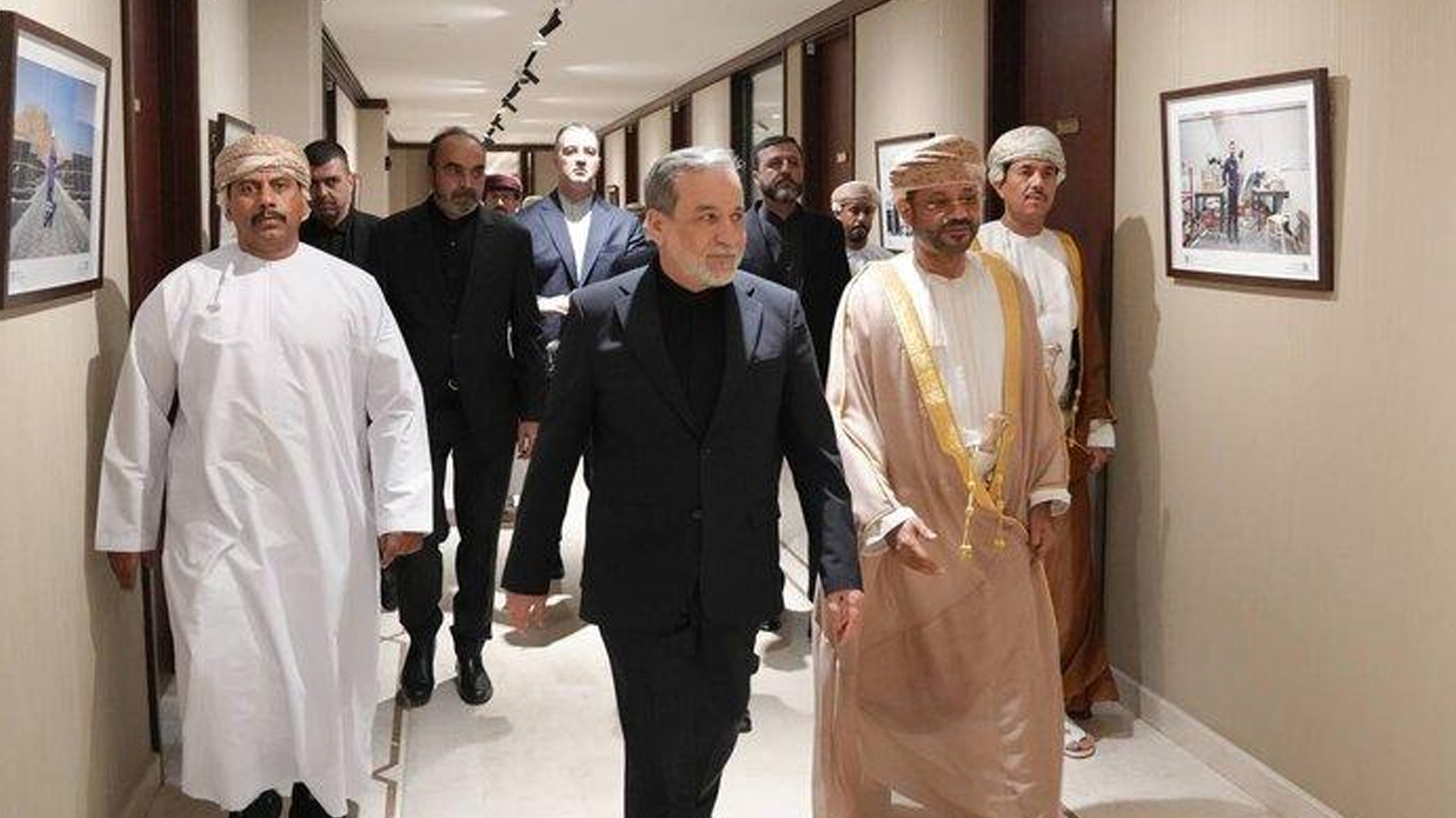
ERBIL (Kurdistan24) - Iranian Foreign Minister Abbas Araghchi said on Sunday that negotiations between Tehran and Muscat regarding the Strait of Hormuz are approaching their final stage, as Iranian officials outlined their vision for the future administration of the strategic waterway and lawmakers pointed to renewed diplomatic efforts to revive a previously negotiated agreement between Iran and the United States.
During a meeting of Iran's Council of Ministers on Sunday, Araghchi presented a report on the latest developments in talks between the Islamic Republic of Iran and Oman.
Referring to what he described as positive progress in the negotiations, the Iranian foreign minister said discussions between Tehran and Muscat concerning the Strait of Hormuz were nearing their conclusion.
Alongside Araghchi's remarks, Iranian Foreign Ministry spokesperson Esmail Baghaei said that, under Article Five of the memorandum of understanding ending the conflict, the future administration of the Strait of Hormuz should remain under Iran's responsibility, in consultation with Oman and through dialogue with regional countries.
Baghaei said the northern shipping lane of the strait had remained completely calm during the first 22 or 23 days of implementing the agreement, with vessels transiting without disruption.
He added, however, that before the expiration of the previously designated 30-day period for restoring maritime traffic to its pre-war status, one party had carried out what he described as "aggression against Iran," disrupting the situation.
The foreign ministry spokesperson stressed that the agreement between Iran and Oman on a new shipping route is unrelated to whether the Strait of Hormuz remains open or closed.
According to Baghaei, the agreed route will be neither the previous northern corridor nor the current southern passage, but an entirely new route established through mutual agreement between Iran and Oman.
He criticized continued use of the current southern route, saying it had contributed to instability in the region and harmed Iran's national interests, adding that Tehran would not accept that arrangement.
Baghaei reiterated that the future administration of the Strait of Hormuz would be conducted by Iran in consultation with Oman.
He also warned the United States, saying: "If the Americans seek further escalation, they will undoubtedly receive an appropriate and strong response from us."
Iranian lawmaker points to revived diplomatic efforts
Separately, Hassan Ghashghavi, spokesperson for the Iranian parliament's National Security Committee, said mediators are intensifying efforts to revive the Islamabad memorandum of understanding, which briefly halted fighting between Iran and the United States in June.
Speaking on Sunday, Ghashghavi said work has intensified, particularly by mediators, to revive the 14-point Islamabad agreement.
"Everyone knows that the core issue now is the Strait of Hormuz, and exchanges of views on this matter are continuing," he said.
According to Ghashghavi, the agreement—brokered by Qatar and Pakistan—contained several provisions concerning the Strait of Hormuz and the resumption of diplomatic efforts between Tehran and Washington aimed at reaching a broader agreement.
He added that the memorandum also included a provision intended to end the fighting in Lebanon between Israel and Hezbollah. However, he said the agreement later collapsed after the United States and Iran accused each other of violating its terms.
The latest developments follow comments made on Saturday by US President Donald Trump, who said Washington and Israel had agreed to postpone planned strikes against Iran following requests from Tehran and several regional countries, on the condition that an agreement be reached quickly.
Writing on the Truth Social platform, Trump said: "For the future interests of the world and for Iran to remain a successful country, I agreed to cancel the attack on the condition that an agreement is reached quickly. Israel is also committed to this."