Kurdistan Region President Calls for Sinjar Agreement as Ezidi Genocide Marks 12 Years
Kurdistan Region President Nechirvan Barzani says implementing the Sinjar Agreement, restoring security, removing illegal armed groups, and accelerating reconstruction are essential for displaced Ezidis to return home.
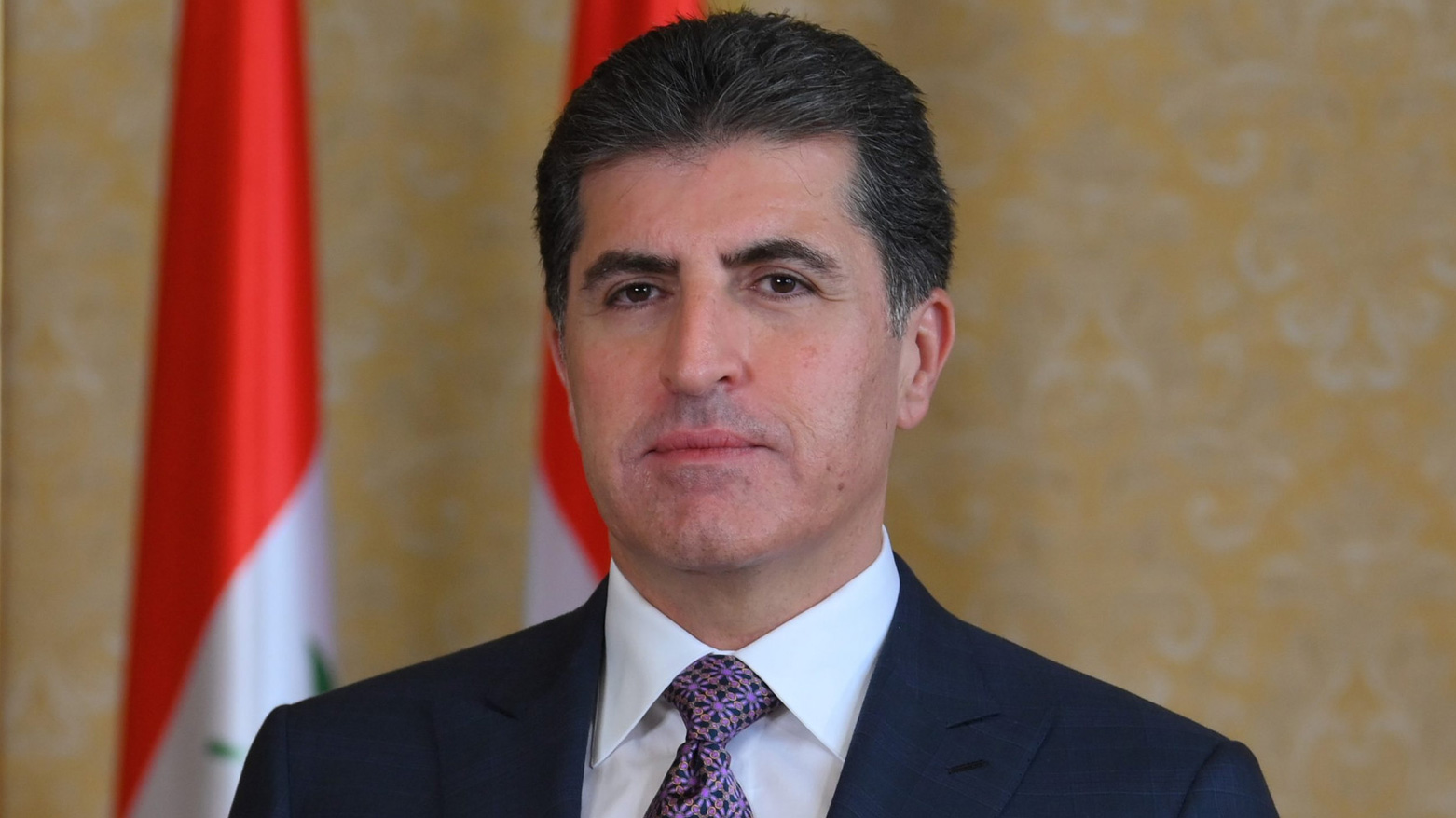
ERBIL (Kurdistan24) - President Nechirvan Barzani on Monday called on Iraq's federal government to fully implement the Sinjar Agreement, saying restoring security, advancing reconstruction, and removing illegal armed groups from the district are essential to enabling displaced Ezidis (Yazidis or Yezidis) to return home safely.
In a message marking the 12th anniversary of the Ezidi genocide, President Barzani coupled remembrance with a renewed policy appeal, arguing that the passage of more than a decade since ISIS overran Sinjar has not resolved many of the humanitarian and political consequences of the atrocity.
While the extremist group was defeated militarily years ago, thousands remain displaced, many families are still searching for missing relatives, and the district continues to face unresolved governance and security challenges that have slowed recovery.
The anniversary, he said, is therefore not only a moment to honor the victims but also a reminder that rebuilding Sinjar and restoring normal life remain unfinished responsibilities.
Describing the genocide as "an open wound in the heart and soul of the people of Kurdistan," President Barzani said Ezidis continue to bear the consequences of political disputes and the continued presence of illegal armed groups in the district.
"We reiterate that it is the duty of the Iraqi federal government to restore security and reconstruction to Sinjar, to implement the Sinjar Normalization Agreement with the Kurdistan Regional Government, and to ensure that illegal forces depart the area," he said, adding that these measures are necessary to allow displaced residents to return to their ancestral homes.
His remarks come as Sinjar's recovery continues to lag behind expectations despite the district's liberation from ISIS in November 2015 by Kurdish Peshmerga forces under the command of President Masoud Barzani, supported by International Coalition airstrikes.
Although the military campaign ended ISIS control of the area, much of the broader recovery remains incomplete.
Kurdistan24 reporting indicates that many Ezidis continue to live in displacement camps across the Kurdistan Region, citing damaged infrastructure, limited public services, fragmented security arrangements, and stalled governance reforms among the principal obstacles preventing large-scale returns.
President Barzani's appeal centered on the 2020 Sinjar Agreement between Baghdad and the Kurdistan Regional Government, which was designed to normalize administration in the district, coordinate governance, restructure local security, recruit local security personnel, remove illegal armed groups, and accelerate reconstruction.
However, implementation has remained largely stalled, leaving many survivors uncertain about returning despite years having passed since the district's liberation.
Alongside his call for implementation of the agreement, President Barzani reaffirmed the Kurdistan Region's commitment to families still awaiting news of loved ones abducted during the ISIS assault.
"As long as a single kidnapped person remains, our specialized office will continue its dedicated work to rescue them and uncover their fate," he said, while also pledging continued diplomatic efforts to secure broader international recognition of ISIS crimes as genocide.
He also expressed gratitude to the people of Duhok and the wider Badinan region for opening their homes, schools, and places of worship to displaced Ezidis during the 2014 crisis, and thanked the countries that have formally recognized the genocide and supported survivors over the past twelve years.
The president concluded by paying tribute to the resilience of the Ezidi community and to the Peshmerga who fought to liberate Sinjar, saying their sacrifices helped defeat ISIS and defend the Kurdistan Region during one of its most difficult periods.
Twelve years after the genocide, President Barzani's message underscored that remembrance remains inseparable from the work still required to restore security, rebuild Sinjar, locate those who remain missing, and create the conditions for displaced Ezidis to return home with confidence and dignity.