Trump Says Renewed US-Iran Fighting ‘Highly Unlikely’ If Talks Progress
“The answer is highly unlikely it's going to be necessary... I would if necessary, but we hit them really hard. I hit them so hard. You don't know how hard I hit them,” Trump said.
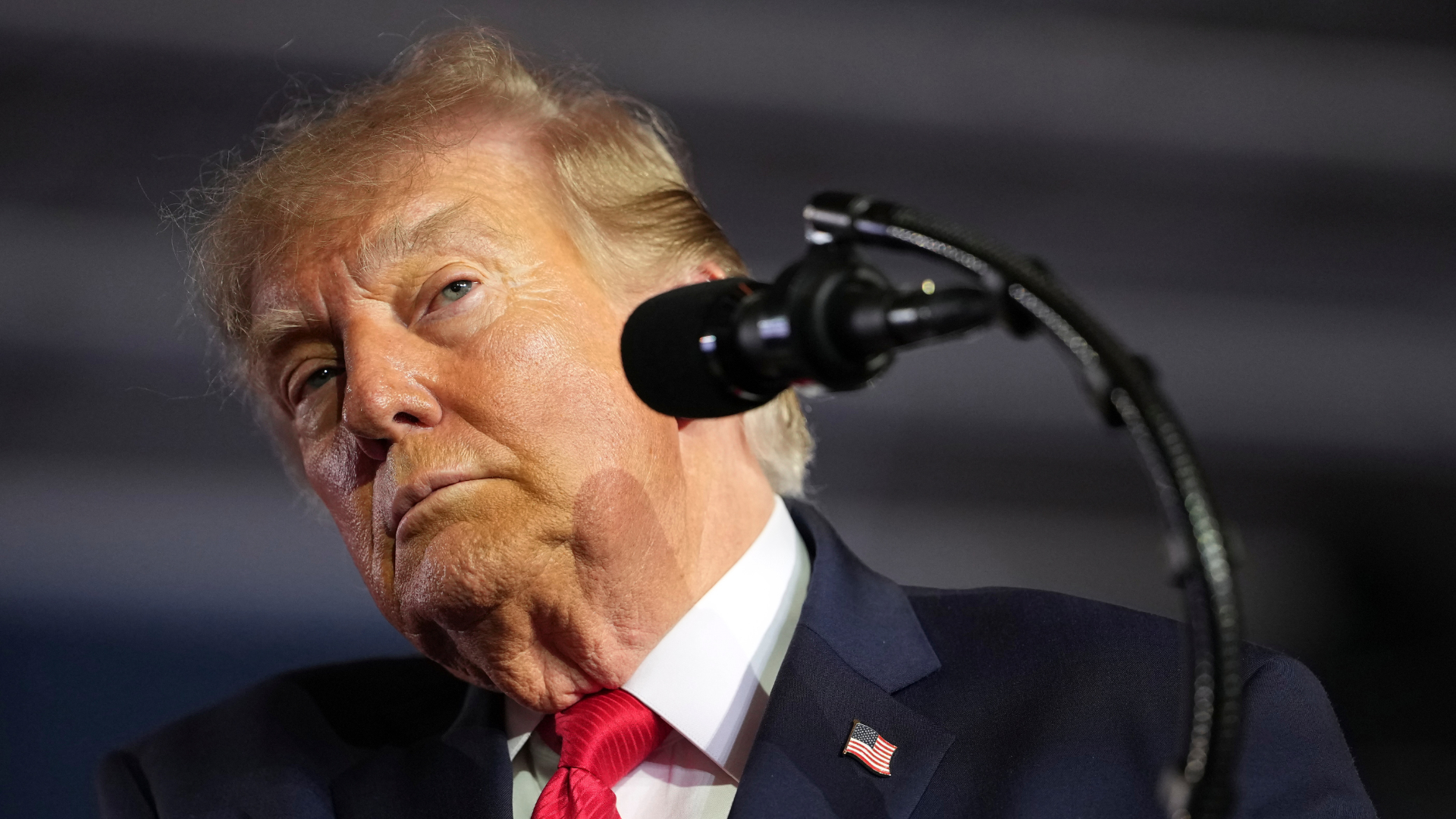
ERBIL (Kurdistan24) – US President Donald Trump on Sunday described a renewed outbreak of fighting with Iran as “highly unlikely” if diplomatic talks continue to make progress, while warning that Washington could resume military strikes if Tehran fails to accept a strong agreement.
In an interview with CNN, Trump said the United States would consider further military action if necessary, claiming that previous strikes had inflicted severe damage on Iran.
“The answer is highly unlikely it's going to be necessary... I would if necessary, but we hit them really hard. I hit them so hard. You don't know how hard I hit them,” Trump said, adding that any decision to resume hostilities would “depend on whether or not they sign a very strong agreement.”
In recent weeks, Trump has threatened to renew strikes against Iran, while US media reports have suggested that hostilities could resume following this week's US midterm elections.
Trump has also acknowledged that the increasingly unpopular war with Iran contributed, at least partly, to the Republican Party's significant defeat in Tuesday's midterm elections.
During Sunday's interview, he again argued that mounting economic pressure would eventually force Tehran to accept a peace agreement on Washington's terms.
“They're a failing nation. It just came out, you saw this year, 301 percent inflation,” Trump said, claiming that Iran was facing severe financial difficulties. “They're withering away financially. We've hit them militarily. We could finish them off.”
Earlier on Sunday, Iranian Foreign Minister Abbas Araghchi indicated that diplomatic efforts had been put on hold as Tehran assessed the political consequences of the Democratic Party's sweeping victory in the US midterm elections.
“For the past few days, there has been no more travel (by mediators), and the reason for this is the shock that the election results in the United States have caused to everyone,” Araghchi told Iranian state television.
He added that Iran needed to assess how long Washington would take to absorb the election results before deciding how to proceed with the negotiations.
Meanwhile, Iran continues to partially restrict maritime traffic through the strategically important Strait of Hormuz, disrupting oil supplies from the Gulf and contributing to rising gasoline prices in the United States.
The increase in fuel prices has further fuelled domestic opposition to the war, adding to the political pressure on the Trump administration.