Iran Says Hormuz Talks With Oman Have Been 'Highly Difficult,' Blames U.S. for Delays
Speaking in a televised interview, Gharibabadi said the talks are aimed solely at protecting Iran's national interests and security.
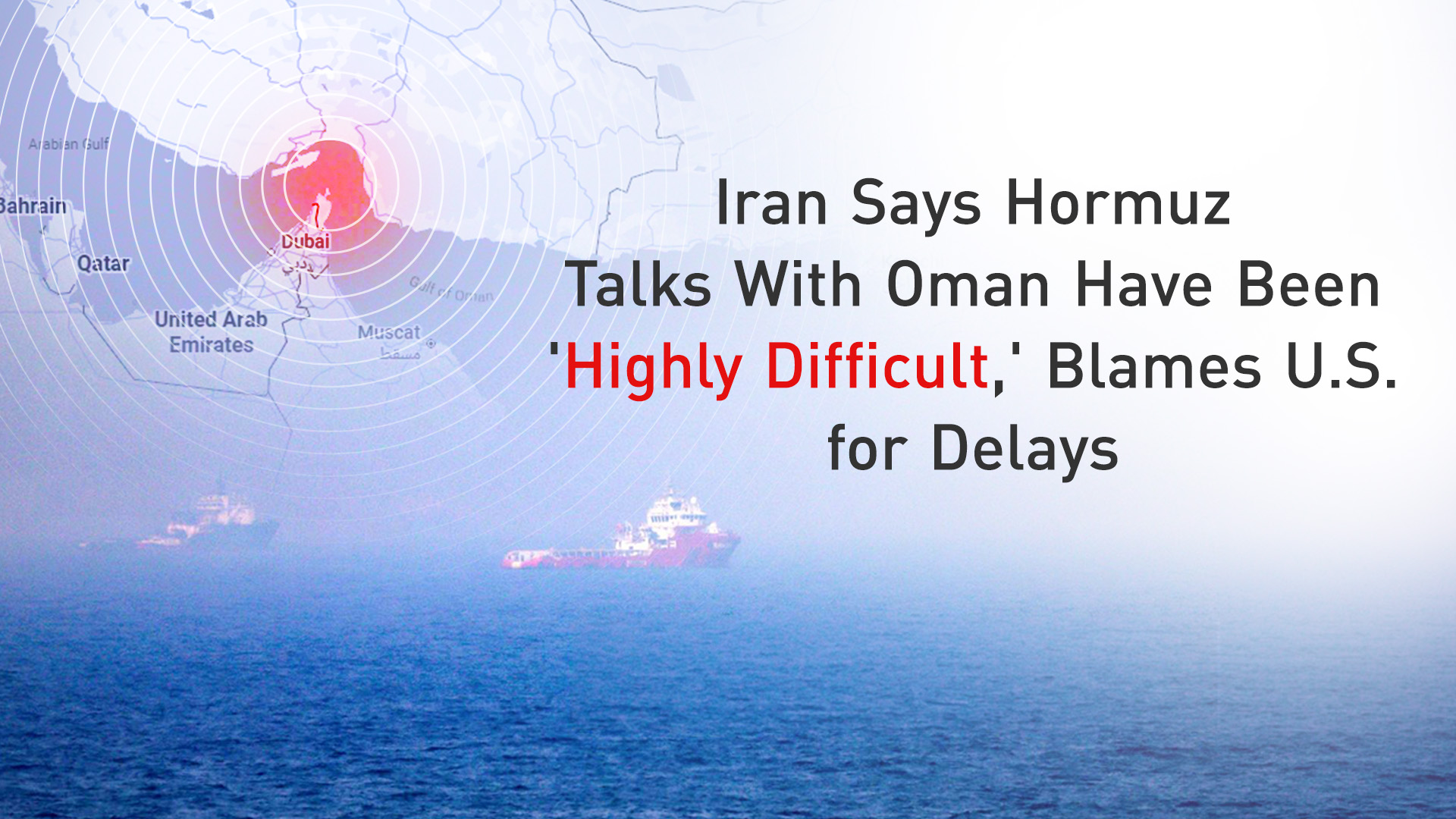
ERBIL (Kurdistan24) – Iran's Deputy Foreign Minister for Legal and International Affairs, Kazem Gharibabadi, said Wednesday that negotiations with Oman over new shipping arrangements in the Strait of Hormuz have been "highly difficult and complex," with discussions continuing for more than three weeks.
Speaking in a televised interview, Gharibabadi said the talks are aimed solely at protecting Iran's national interests and security. He said Tehran and Muscat have reached a basic understanding on the geographical coordinates and route of a new shipping lane, describing it as the first major change to the strait's navigation system in six decades.
According to Gharibabadi, the plan would permanently replace the existing northern shipping lane near Larak Island and the southern lane in Omani territorial waters, which he described as temporary routes. A new temporary corridor would instead carry most inbound and part of outbound maritime traffic through Iranian territorial waters, with the remainder passing through Omani waters.
He said the temporary arrangement could remain in place for two to four months—or longer—until maritime conditions stabilize.
Gharibabadi stressed that decisions regarding the Strait of Hormuz belong exclusively to Iran and Oman and rejected any foreign involvement in determining the waterway's future.
He also said Article 5 of the Islamabad Memorandum of Understanding served only as a guiding provision rather than a final agreement. While the clause envisaged unrestricted commercial shipping for 60 days, he said implementation of the final framework—including any transit fees—will be decided during the agreement's second phase and requires approval from Iran's senior leadership.
The deputy foreign minister accused the United States of violating its commitments under the Islamabad Memorandum, citing the resumption of the naval blockade, renewed military operations before conditions in Lebanon had stabilized, the reimposition of sanctions on Iran's oil sector, and the suspension of efforts to release Iran's frozen assets.
He argued that an agreement with Oman alone cannot guarantee security in the Strait of Hormuz unless Washington halts what Tehran considers hostile actions and returns to its commitments.
Gharibabadi also revealed that U.S. President Donald Trump sent a message seeking dialogue several days after the latest escalation began.
He emphasized that Iran's diplomatic and military efforts are operating in full coordination.
"Under the current wartime conditions, military operations on the ground and diplomacy complement each other and operate with 100% coordination," Gharibabadi said, adding that Iran has responded militarily whenever it believed the United States had broken its promises or launched attacks.
The Iranian official denied reports of recent direct negotiations between Tehran and Washington, saying the only active negotiations are with Oman over the Strait of Hormuz.
However, he confirmed that Iran has received several official messages from the United States, saying the communications indicate Washington is prepared to return to its formal commitments.
Gharibabadi said no final decision has been made on advancing to the second phase of the Hormuz framework, including implementing new security arrangements and determining potential transit fees, because the matter remains under review by Iran's senior authorities.
He also confirmed that several regional countries, including Pakistan, have invited senior Iranian officials for official visits. Describing Pakistan as a mediator in the dispute, Gharibabadi said Islamabad has hosted officials from both sides but that no timetable has yet been set for the visits.