Iranian President Says Communication with Iran's Supreme Leader 'Very Difficult' Amid Conflict
"It is very difficult to communicate with him at the moment, but in any case, his presence is a very great source of strength for us so that we can continue," Pezeshkian said.
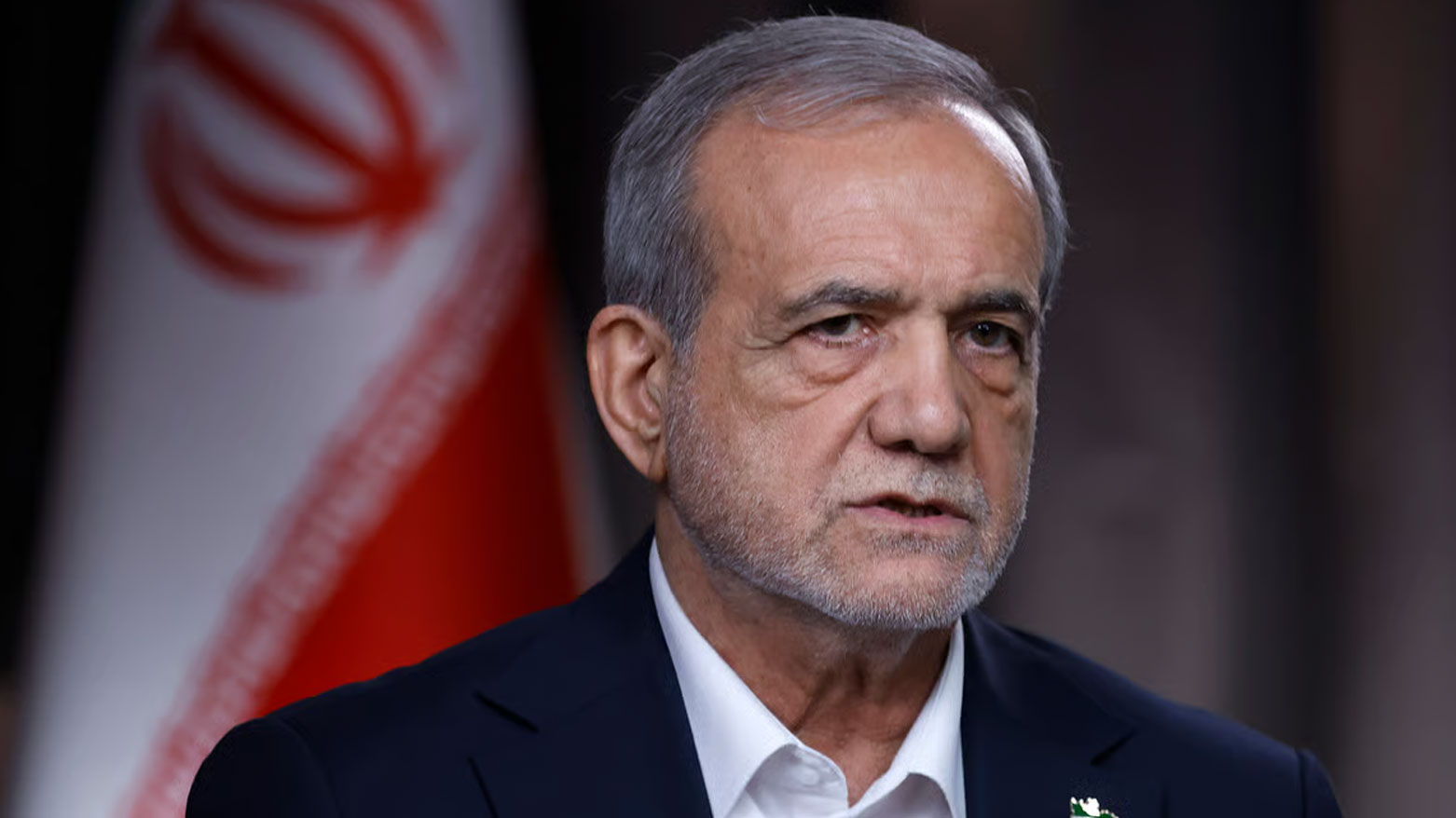
ERBIL (Kurdistan24) – Iranian President Masoud Pezeshkian said on Wednesday that communication with the country's Supreme Leader, Mojtaba Khamenei, is currently "very difficult," while describing his presence as a key source of strength for the Iranian leadership.
"It is very difficult to communicate with him at the moment, but in any case, his presence is a very great source of strength for us so that we can continue," Pezeshkian said.
Mojtaba Khamenei has largely remained out of the public eye since succeeding his father, Ali Khamenei, who was killed in the U.S.-Israeli strike that marked the start of the regional war earlier this year. The younger Khamenei was also wounded in the attack and has not made a public appearance since assuming the country's highest leadership position.
Despite his absence, Khamenei has continued issuing written statements. However, his low profile during Iran's confrontation with the United States has fueled speculation over his health and his relationship with senior Iranian officials.
Questions about his role intensified after he did not attend his father's funeral ceremonies last month.
Pezeshkian rejected suggestions of divisions within Iran's leadership, saying he had held productive meetings with Khamenei and had always been met with "kindness and very sound logic."
"Unfortunately, the current situation allows some malicious people to describe him differently and to present a different image of him," the president said.
Background
Ali Khamenei was killed during the opening phase of the U.S.-Israeli military campaign against Iran on Feb. 28, which triggered a wider regional conflict. Mojtaba Khamenei was subsequently named Iran's Supreme Leader while recovering from injuries sustained in the same strike.
The conflict has since expanded beyond direct military exchanges, resulting in disruptions to Gulf shipping, heightened tensions over the Strait of Hormuz, and ongoing diplomatic efforts involving regional and international mediators. Iran's leadership has continued to operate during the conflict, though the supreme leader's absence from public view has remained a subject of intense scrutiny.