Kirkuk Dispute Must Be Resolved Through Article 140, Kurdistani Areas Board Says
The General Board for Kurdistani Areas Outside the Region rebukes Kirkuk governor's remarks, urging adherence to Iraq's Constitution and renewed focus on coexistence and public services.
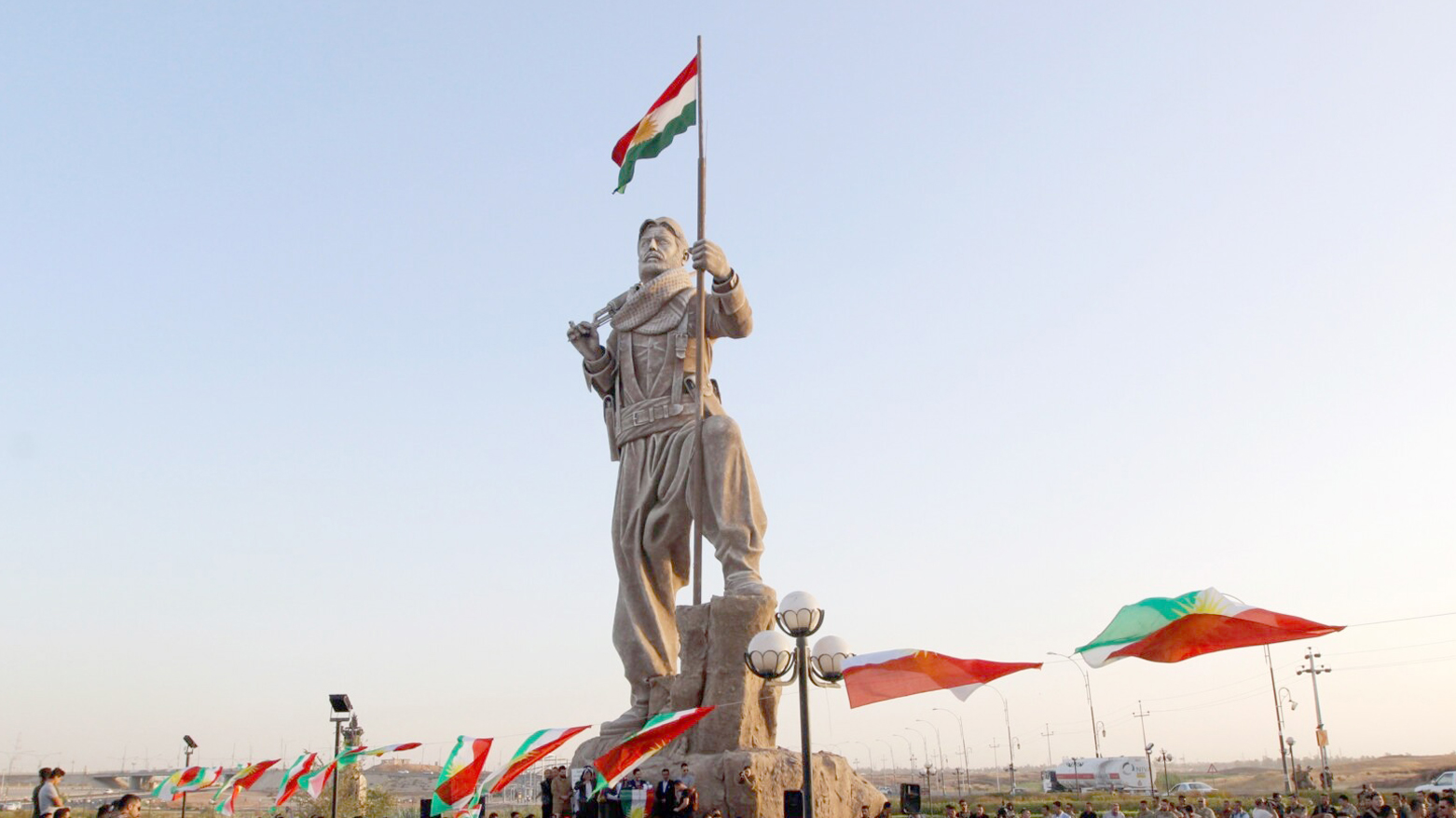
ERBIL (Kurdistan24) - Kurdistan Region's General Board for Kurdistani Areas Outside the Region on Thursday strongly criticized recent remarks by Kirkuk Governor Mohammed Samaan, arguing that Article 140 of the Iraqi Constitution remains the definitive constitutional framework for resolving the long-standing dispute over the status of Kurdistani territories, particularly Kirkuk.
In a statement issued Thursday, the Board described the governor's comments as inconsistent with Iraq's constitutional framework, stressing that the Constitution remains the cornerstone of governance and coexistence in post-2003 Iraq.
It said Article 140 provides the agreed legal mechanism for addressing one of the country's most sensitive political and territorial questions and warned that rhetoric challenging that framework risks undermining public trust at a time when stability is needed.
Board Rebuts Kirkuk Governor
The Board's statement came in response to recent televised comments by Governor Mohammed Samaan, who described Article 140 as one of the Iraqi state's "greatest strategic" mistakes after 2003 and suggested that its inclusion discouraged some residents of Kirkuk from supporting the Constitution.
Rejecting those remarks, the Board said Iraq's Constitution represents a legitimate social contract forged through years of political struggle and remains the foundation upon which the country's federal system and coexistence among its diverse communities are built.
It added that respect for the Constitution extends beyond legal obligation, describing it as an expression of the Iraqi people's collective will and a safeguard for the country's democratic institutions.
Article 140 as the Constitutional Roadmap
The Board devoted much of its statement to reaffirming Article 140 as the constitutional route for resolving the status of Kurdistani territories, with Kirkuk occupying the most prominent place among them.
According to the statement, the Kurdish people remain firmly committed to Iraq's constitutional order and regard Article 140 as the agreed mechanism for settling what it described as a historic national issue concerning Kurdish areas outside the Kurdistan Region's administration.
Calling the provision the "definitive roadmap" for resolving the dispute, the Board argued that constitutional principles, not political rhetoric, should guide efforts to address longstanding disagreements between Baghdad and the Kurdistan Region.
Calls for Coexistence and Public Services
The Board also urged Kirkuk's governor to focus on strengthening coexistence among the province's communities rather than engaging in divisive political debates.
It said the current period requires responsible leadership that promotes stability and mutual trust, warning that statements questioning constitutional principles could deepen mistrust while diverting attention from pressing public needs.
According to the Board, Kirkuk's residents are better served by efforts to improve infrastructure, expand essential services, and foster cooperation among the province's diverse communities than by political disputes over constitutional provisions.
A Dispute That Remains Unresolved
Article 140 remains central to the unresolved constitutional status of Kirkuk and other Kurdistani territories, making it one of the most consequential issues in relations between the federal government and the Kurdistan Region.
The Board's latest statement reinforces the Kurdish position that constitutional implementation remains the most legitimate and practical framework for resolving the issue.
It argued that adherence to Iraq's constitutional process offers the strongest basis for peaceful coexistence and durable political solutions.
Concluding its statement, the Board reiterated that Kirkuk's future should be shaped through constitutional dialogue and cooperation, emphasizing that the province's immediate priorities should remain stability, coexistence, and improved public services rather than escalating political rhetoric.