Kurdistan Region President Marks 93rd Anniversary of Simele Massacre, Reaffirms Commitment to Coexistence
In a statement issued on X for the occasion, the Kurdistan Region President expressed "respect and loyalty" to the souls of the Assyrian martyrs and the innocent victims of the massacre.
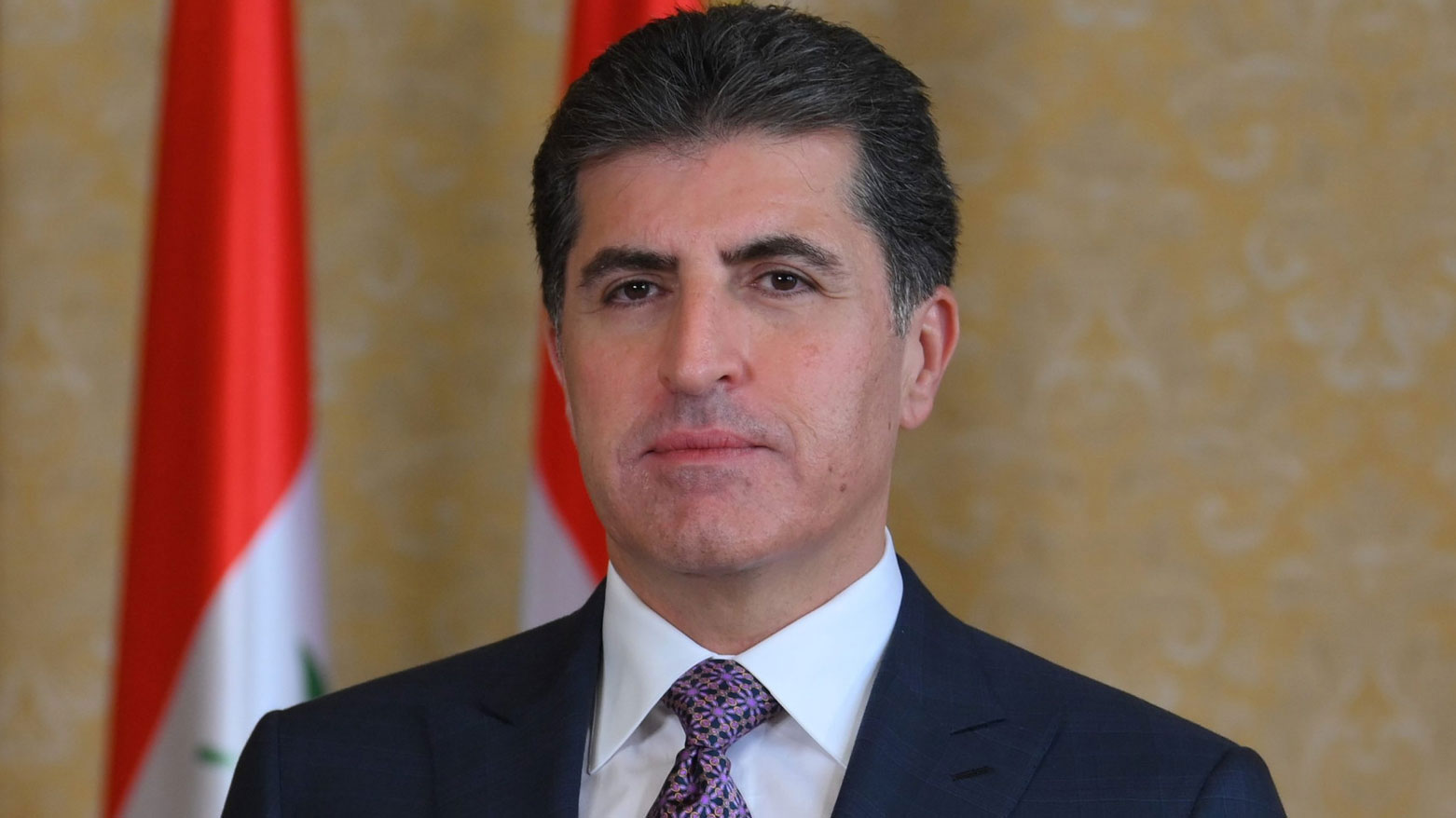
ERBIL (Kurdistan24) – Kurdistan Region President Nechirvan Barzani on Friday marked the 93rd anniversary of Assyrian Martyrs' Day by paying tribute to the victims of the 1933 Simele massacre and reaffirming the Kurdistan Region's commitment to protecting diversity and strengthening peaceful coexistence among all communities.
In a statement issued on X for the occasion, the Kurdistan Region President expressed "respect and loyalty" to the souls of the Assyrian martyrs and the innocent victims of the massacre.
"On the 93rd anniversary of Assyrian Martyrs' Day, we extend our respect and loyalty to the souls of the martyrs and the innocent victims of the Simele Massacre," the statement read.
He recalled that in 1933, the victims, along with residents of more than 60 villages in the provinces of Mosul and Duhok, were targeted by the authorities of the then Kingdom of Iraq.
Barzani said the anniversary serves as a reminder of the importance of promoting tolerance and unity, reaffirming the Kurdistan Region's commitment to preserving its diverse social fabric.
"On this painful occasion, we reaffirm our commitment to preserving and deepening the culture of diversity, coexistence, and mutual acceptance. We reassure all communities that Kurdistan will always remain the shared homeland of everyone," he said.
The Simele massacre took place between Aug. 7 and Aug. 11, 1933, when Iraqi military forces carried out a campaign against the indigenous Assyrian Christian population. Historians estimate that between 600 and more than 3,000 Assyrian civilians were killed, while 54 to 100 Assyrian villages were looted or destroyed across what are now Duhok and Nineveh governorates. The campaign also displaced tens of thousands of Assyrians, many of whom fled to neighboring Syria.