Iraqi PM, Saudi Intelligence Chief Discuss Regional Security and Coordination
Iraqi Prime Minister and Saudi General Intelligence Directorate chief discussed regional security developments and ways to strengthen coordination
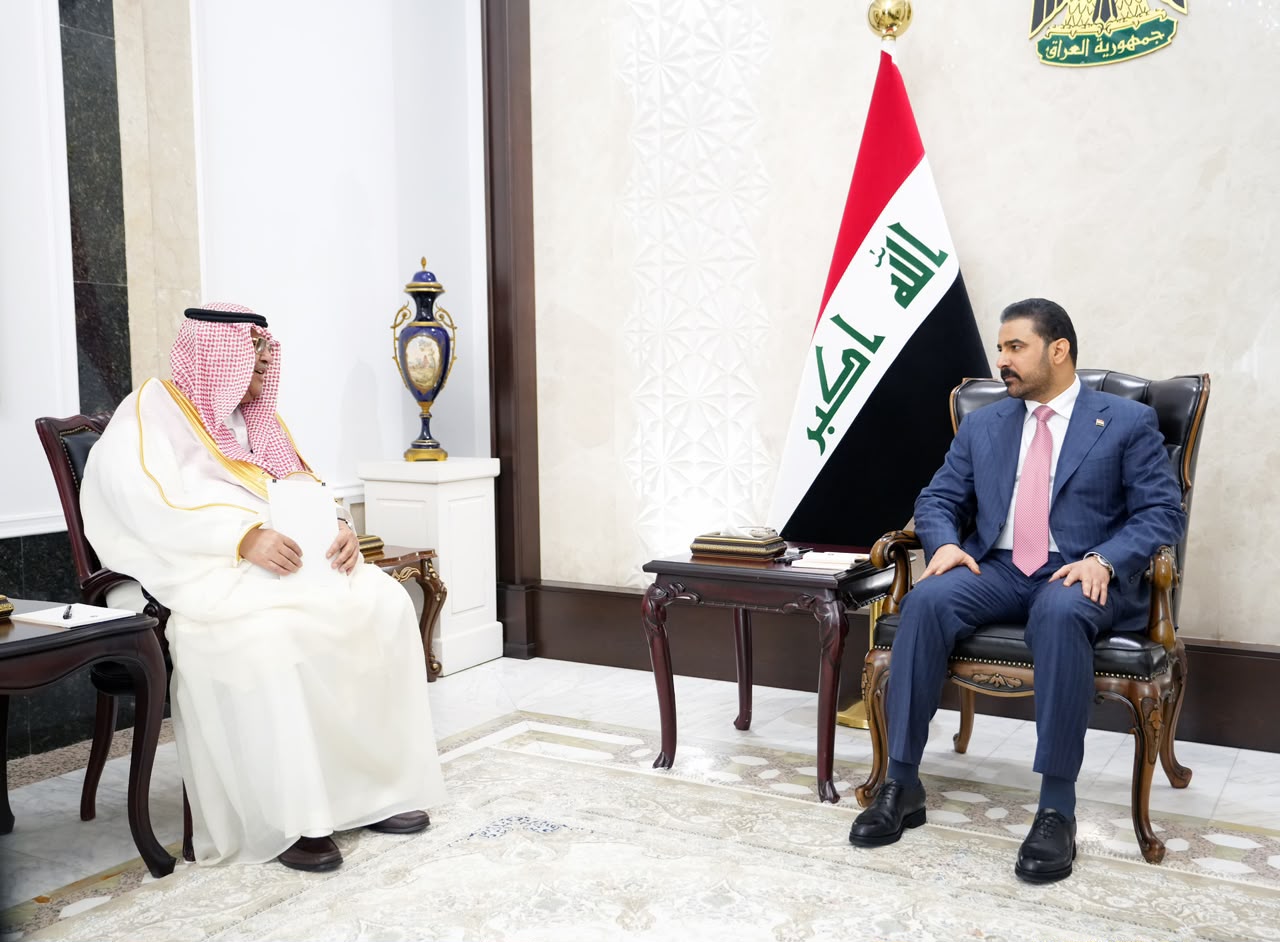
ERBIL (Kurdistan24) - Iraqi Prime Minister Ali al-Zaidi received Khalid Ali Humaidan, head of Saudi Arabia’s General Intelligence Directorate, on Friday, for talks focused on security issues, regional developments, and strengthening coordination between Baghdad and Riyadh.
During the meeting, Humaidan conveyed a message from Saudi Arabia’s leadership to al-Zaidi, renewing an official invitation for the Iraqi prime minister to visit the Saudi capital, Riyadh. The two sides also discussed ways to strengthen security coordination and exchange views on developments in the region.
Al-Zaidi expressed his government’s desire to consolidate cooperation with Saudi Arabia in a manner that serves the interests of both countries and contributes to regional stability.
The Iraqi prime minister reaffirmed Baghdad’s position on protecting national sovereignty, saying: “We will not allow Iraqi territory to become a place from which any activity that harms the countries of the region is launched.”
The position was presented as part of Iraq’s commitment to the constitution and respect for the principle of good neighborly relations.
The two sides also agreed on the importance of maintaining security coordination and information exchange between relevant authorities, with the aim of addressing security challenges and keeping the region away from the risks of escalation and rising tensions.
Iraq says it will not be drawn into regional conflicts
The meeting comes as Baghdad has reiterated its policy of neutrality and its position that Iraq should not become a party to regional conflicts.
On Friday, Sabah al-Numan, spokesperson for the Commander-in-Chief of the Iraqi Armed Forces, said Iraq has no coordination with Iranian military advisers and remains committed to neutrality.
In a televised interview, al-Numan said the recent deployment of Syrian forces along the Iraqi-Syrian border was carried out at Baghdad’s official request to close security gaps at several border crossings, strengthen border security, and prevent potential threats.
Al-Numan said Prime Minister and Commander-in-Chief Ali al-Zaidi believes economic growth depends on a stable security environment, emphasizing that decisions on war and peace are the exclusive responsibility of the Commander-in-Chief.
“No party will be allowed to impose its decisions on the Iraqi government,” he said, reaffirming that Iraq’s sovereignty remains paramount.
He also stressed that Iraq would neither allow its territory to be used as a launching point for attacks against neighboring countries nor permit it to become a target for such attacks. He warned that authorities would take strict legal action against anyone found planning or carrying out activities from Iraqi territory that threaten neighboring states.
Al-Numan further underscored the prime minister’s rejection of political interference in security affairs, saying Iraq’s security institutions must remain independent of political influence.
He added that Iraq’s borders with neighboring countries, particularly Syria and Jordan, are fully secured and that Baghdad will continue pursuing its policy of neutrality to preserve the country’s security, stability, and sovereignty.
Baghdad raises security readiness
The remarks came a day after a source within Iraq’s Joint Operations Command told Kurdistan24 that al-Zaidi had ordered Iraqi security and military forces to raise their security and combat readiness following intelligence indicating potential attacks by militia groups against Saudi and US interests.
According to the source, intelligence suggested factions affiliated with the so-called “Resistance Front” were planning retaliatory attacks on Saudi interests following strikes last week targeting the Popular Mobilization Forces and Resistance Front positions.
The groups had reportedly announced that they would respond after the Arbeen commemoration of Imam Hussein, prompting Iraqi authorities to place security forces nationwide on full alert.
Earlier, Iraq’s Security Media Cell announced that, under orders from the Commander-in-Chief of the Armed Forces, Iraqi forces had elevated their combat readiness and launched field exercises and military movements to enhance operational capabilities, reinforce security and stability, and prepare for potential security developments.
Against this backdrop, the Baghdad-Riyadh meeting placed continued security coordination and information exchange at the center of discussions, while Iraq reiterated that protecting its sovereignty and preventing its territory from being used against neighboring states remain key elements of its policy.