Iraq Warns Armed Groups: Disarmament Deadline Cannot Be Ignored
Iraqi Government spokesperson Haider Aboudi says groups refusing to surrender weapons will face legal action as Sept. 30 deadline approaches
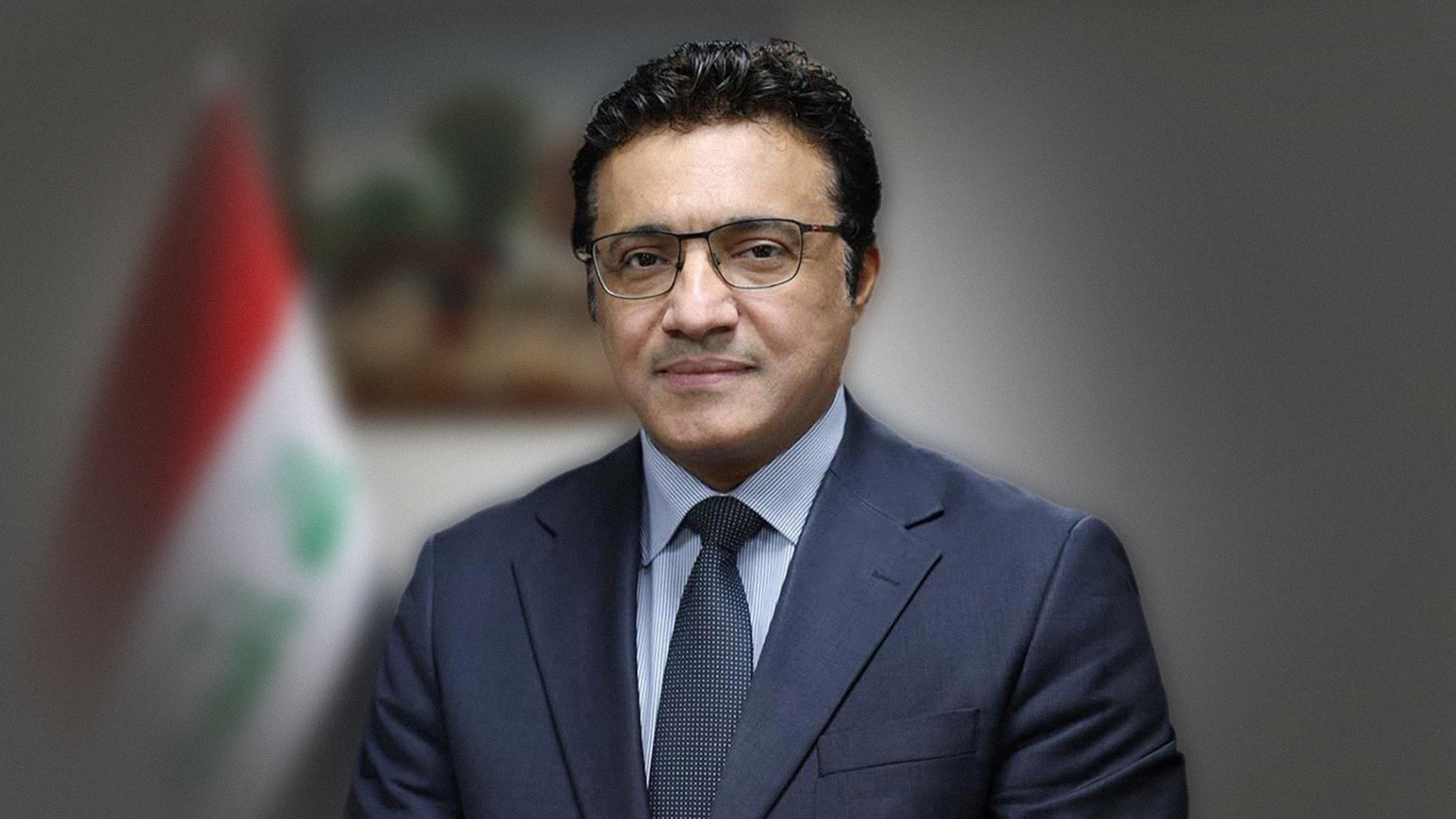
ERBIL (Kurdistan24) - Iraqi government spokesperson Haider Aboudi said Monday that armed groups refusing to bring their weapons under state control will be dealt with according to Iraqi law, as Baghdad presses ahead with a Sept. 30 deadline for establishing a state monopoly on arms.
Aboudi said the government is pursuing negotiations with armed factions while preparing to enforce the policy through constitutional and legal mechanisms.
The issue has become increasingly prominent as Baghdad seeks to prevent Iraqi territory from being used for attacks against neighboring countries.
Government insists on state control
Speaking at a press conference, Aboudi said Prime Minister Ali Zaidi is directly overseeing efforts to resolve the issue and establish what he described as a state governed by institutions.
He acknowledged that some armed factions have expressed reservations about the disarmament process but said the government remains committed to the Sept. 30 deadline.
"Any group that refuses to disarm will be dealt with according to the law," Aboudi said, underscoring the government's position that weapons must ultimately remain under state authority.
His remarks come after the State Administration Alliance, which brings together Iraq's main political blocs, reiterated the need to place all weapons under government control.
The alliance warned that entities operating outside official state institutions or threatening national stability could be classified as outlawed and subjected to legal measures.
Security forces remain on alert
The government's position comes as Iraqi military and security forces maintain heightened readiness across the country.
Several security commanders have reportedly had their leave canceled as authorities prepare for potential developments surrounding the disarmament process and regional tensions.
Aboudi said Baghdad is also determined to ensure that Iraq is not used as a launchpad for attacks against neighboring states, framing the weapons issue as part of a broader effort to protect Iraqi sovereignty and regional relations.
The government has recently emphasized that decisions involving war and peace must remain under state authority rather than being determined by armed factions.
Saudi visit remains under discussion
Aboudi also confirmed that Prime Minister Zaidi has received an official invitation to visit Saudi Arabia, although no date has yet been set.
The invitation comes amid strained relations following strikes on Popular Mobilization Forces positions and concerns that armed groups could launch retaliatory attacks from Iraqi territory.
Baghdad has sought to reassure neighboring countries that it will prevent its territory from being used for attacks, while maintaining diplomatic channels with Riyadh.
Salaries and government reforms
Aboudi also rejected reports that public-sector employees could move to a 45-day salary payment cycle, saying the government remains committed to regular salary disbursements.
He said the cabinet's ministerial reform program was continuing and that recent meetings of the State Administration Alliance were aimed at strengthening coordination between political forces and the government.
With the Sept. 30 deadline approaching, however, the question of weapons remains among Baghdad's most consequential political and security challenges. The government's latest warning signals that negotiations may continue, but that refusal to comply could ultimately trigger legal action.
This report was updated on Monday, Aug. 10, 2026, at 01:33pm.