Reber Ahmed: Kurdistan Working to Exhume Anfal Mass Graves and Identify Victims
Kurdistan Region interior minister says efforts with Baghdad and international institutions aim to recover remains of Barzani genocide victims.
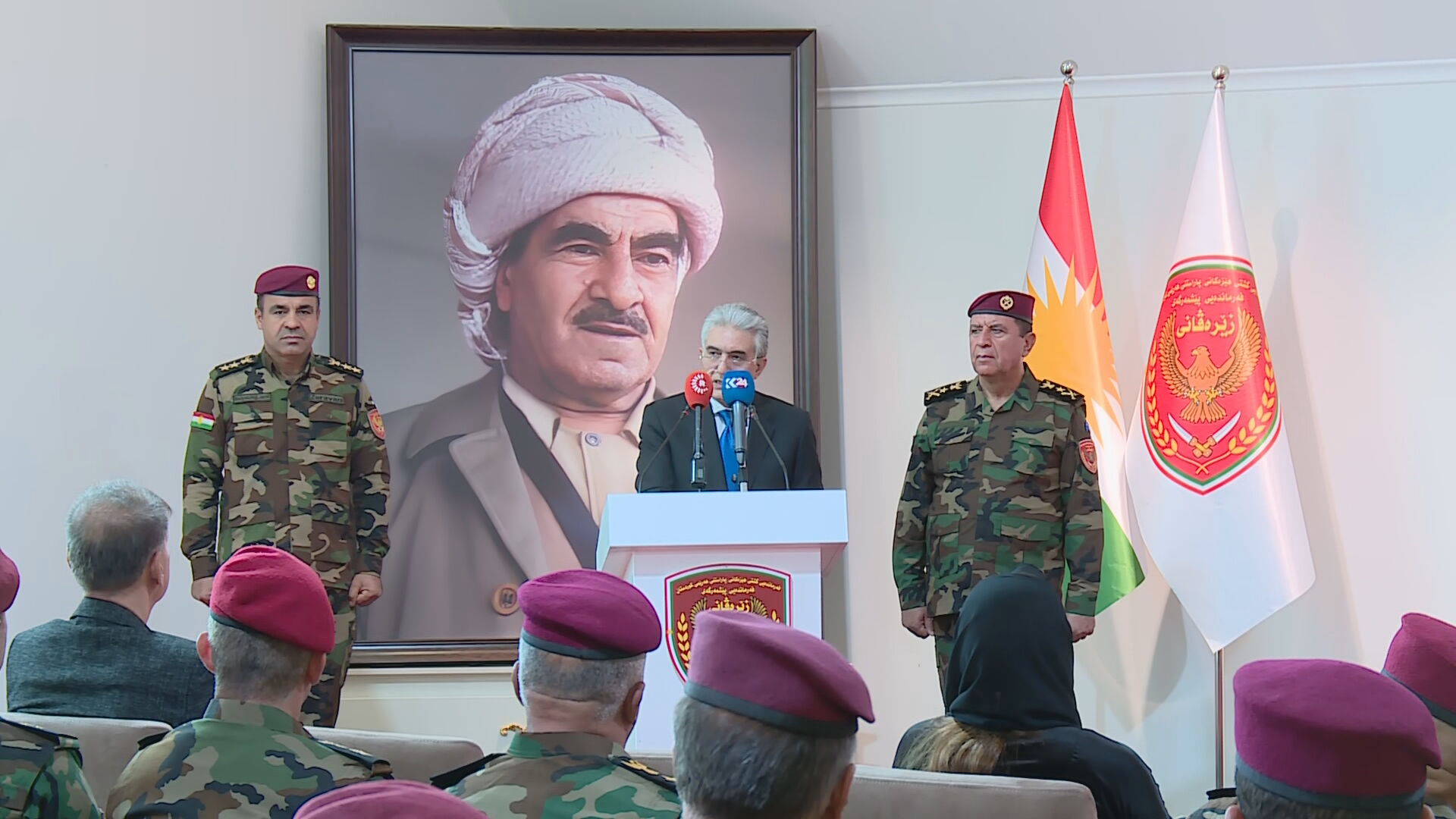
ERBIL (Kurdistan24) - Kurdistan Region Interior Minister Reber Ahmed said Tuesday that efforts are continuing to exhume mass graves containing victims of the Anfal campaign, identify their remains and return them to Kurdistan, as the region marked the 43rd anniversary of the Barzani genocide.
Speaking at a ceremony held under the title "A Death for the Survival of the Homeland," Ahmed honored the estimated 8,000 Barzani men and boys killed during the 1983 campaign and said the massacre had failed to destroy the Kurdish people's identity or resolve.
"With the utmost respect and dignity, we stand in the presence of the martyrdom of 8,000 innocent citizens," Ahmed said, describing the Barzani genocide as one of the most horrific mass killings in modern history.
Efforts to Recover the Missing
Ahmed said the Kurdistan Regional Government is working with the Iraqi federal government and international institutions to locate and exhume mass graves, establish the identities of those buried there and return their remains to their families.
The effort remains a central part of the broader campaign to document the Anfal crimes and secure recognition and justice for their victims.
Ahmed also credited President Masoud Barzani with helping advance efforts to recover the remains of victims.
"Through his efforts, the remains of more than 700 martyrs have so far been returned," Ahmed said.
He said the recovery of the remains represented not only a humanitarian responsibility toward families but also an important part of documenting the crimes committed against the Kurdish population under the former Iraqi regime.
Anfal and the Kurdish Will
The minister said the Anfal campaign was intended to destroy the identity and will of the Kurdish people but ultimately failed.
He paid tribute particularly to the mothers and women who remained behind after the killing of their fathers, husbands and brothers and helped preserve their families and communities.
"Today, it is fitting to kiss the hands of those great mothers and sisters who, after the martyrdom of their fathers, husbands and brothers, stood firm," Ahmed said.
He described their resilience as part of the legacy of the victims and said subsequent generations had inherited the responsibility of defending the rights and identity for which they had sacrificed.
The commemoration comes more than four decades after Iraqi forces under Saddam Hussein's regime carried out the Anfal campaign against Kurdish communities in the late 1980s. The campaign included mass killings, forced displacement and the destruction of villages.
The Barzani killings in 1983 preceded the broader Anfal campaign and involved the disappearance and killing of thousands of men and boys from the Barzani tribal community.
From Memory to Justice
Ahmed said the Kurdish leadership has sought to pursue the Anfal case through international institutions and secure legal recognition of the crimes committed against the Kurdish people.
He also praised efforts to frame the legacy of Anfal around justice and reconciliation rather than revenge.
According to Ahmed, President Masoud Barzani had encouraged the Kurdish people to regard the genocide as a reason to seek justice while avoiding cycles of hatred and retaliation.
The continued recovery of victims' remains remains particularly important for families who have spent decades without definitive knowledge of the fate of their relatives.
For many, identification and repatriation provide the possibility of a final burial and a measure of closure after decades of uncertainty.
Warning Over Kurdistan's Political Entity
Ahmed also used the commemoration to warn against attempts to undermine the Kurdistan Region's political status and institutions.
Addressing younger generations, he said the freedoms and institutions enjoyed today had been secured through the sacrifices of those killed during Anfal and other periods of conflict.
"I remind them that this entity and its institutions were achieved through the blood of Anfal victims and martyrs and have been protected by the sacrifices of the Peshmerga," Ahmed said.
"We will also defend the legitimacy and entity of our land with our blood," he added.
The remarks underscored how the memory of Anfal remains closely connected to the Kurdistan Region's political identity.
For Kurdish authorities and survivors' families, recovering the remains of victims is not only a humanitarian undertaking but also part of preserving the historical record of one of the darkest periods in modern Kurdish history.