UNESCO: 2.4 Million Afghan Girls Shut Out of Education
Five years after the Taliban returned to power, UNESCO says Afghanistan has become the only country in the world to formally bar girls and women from education beyond the primary level.
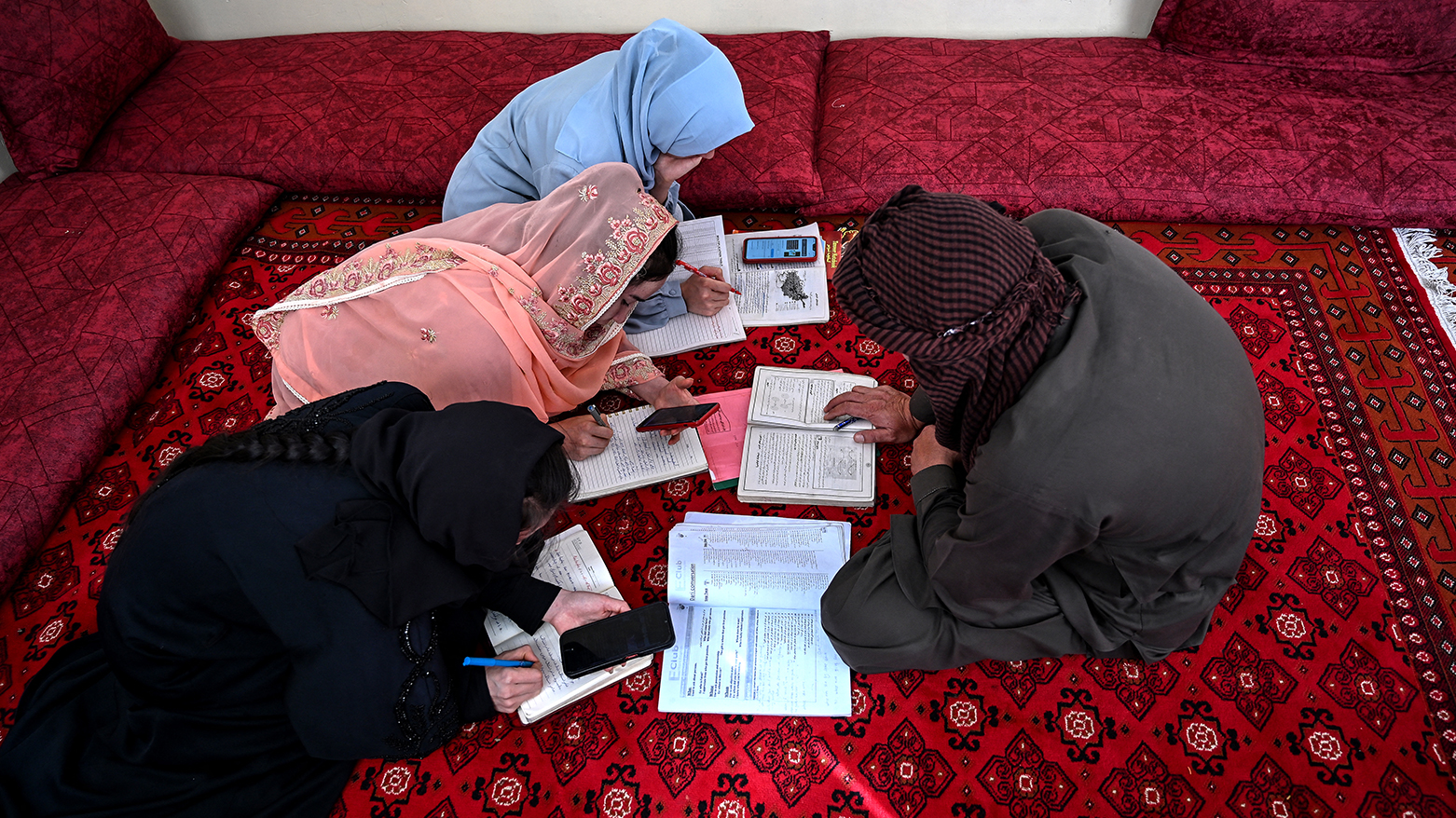
ERBIL (Kurdistan24) - Five years after the Taliban returned to power in Afghanistan, nearly 2.4 million girls have been deprived of secondary education, according to the United Nations Educational, Scientific and Cultural Organization (UNESCO), marking a dramatic setback to educational gains achieved by Afghan women and girls over the past two decades.
UNESCO said Afghanistan is now the only country in the world where girls and women are formally prohibited from continuing their education beyond the primary stage, and called for their right to education to be restored immediately and without conditions.
UNESCO warned that the impact extends far beyond the education sector. Women have been excluded from large parts of the workforce and face restrictions on traveling without a male companion, or mahram.
“Women’s role in public life has been erased, and with the emergence of a new generation of girls without education, the country’s future is heading toward even greater darkness,” UNESCO said.
According to UNESCO figures, access to education for girls was extremely limited in 2001. By 2021, however, the number of girls enrolled in secondary education had reached one million.
Five years into Taliban rule, the number of girls deprived of education has risen to 2.4 million.
Huda Jabrayan, a UNESCO program coordinator, said: “These five years are not merely a temporary interruption; they are equivalent to an entire cycle of secondary education lost during a child’s formative years.”
UNESCO warned that the policies are also deepening Afghanistan’s economic crisis. Half of the country’s population is now living below the poverty line, while preventing women from working is reducing families’ ability to secure their livelihoods.
The organization also said keeping girls out of school increases the risks of early marriage and deteriorating mental health.
Boys’ education has also been affected, UNESCO said, as the ban on female teachers teaching boys has contributed to a major shortage of teachers.
Despite the restrictions, UNESCO has turned to community-based education and literacy programs. Nearly 70,000 people have so far benefited from these programs, 73 percent of them women and girls.
The classes are held in homes and community centers with the knowledge of the authorities. UNESCO, however, stresses that such programs cannot replace formal education.
UNESCO has called on the international community not to overlook the deteriorating situation of Afghan women, emphasizing that the right to education “is a fundamental human right and is not subject to negotiation or compromise.”