3,595 Ezidis Rescued From ISIS, 2,822 Still Missing, Kurdish Official Says
Kurdistan official Hussein Qaidi says 3,595 Ezidis have been rescued from ISIS, while 2,822 remain missing, with rescue efforts focused on Syria.
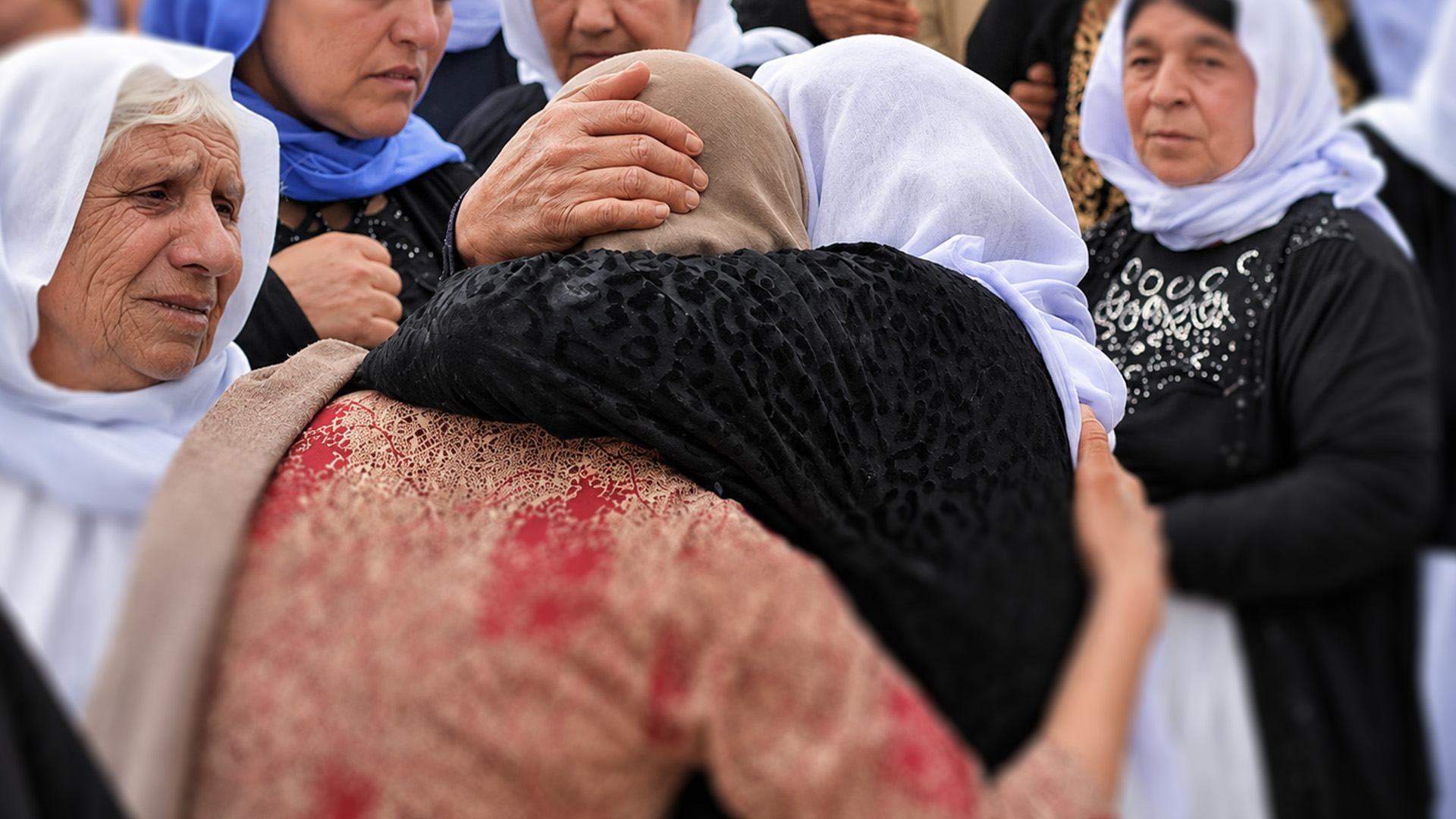
ERBIL (Kurdistan24) - A total of 3,595 Ezidis abducted by ISIS during its 2014 assault on Sinjar have been rescued, but the fate of another 2,822 remains unresolved, the head of the Kurdistan Region's office responsible for locating abductees said, as the district marks 11 years since its liberation.
Hussein Qaidi, head of the Office for Rescuing Abducted Ezidi Kurds, told Kurdistan24 that ISIS kidnapped 6,417 members of the community when it attacked Sinjar and surrounding areas in August 2014. More than half of those not yet rescued are women and girls, he said, while children also account for a significant number.
The figures, disclosed as Sinjar marks the anniversary of its liberation by Peshmerga forces on Nov. 13, 2015, underscore the distance between the end of ISIS control over the area and the long effort to establish the fate of people taken captive.
Search Focuses on Syria
Qaidi said his office continues to pursue information about missing Ezidis, with Syria remaining the principal focus of its investigations.
"Most of those rescued in the past period were in Syria," he told Kurdistan24. He said officials believe a substantial number of those still missing are also in Syria, including potentially in camps such as al-Hol.
Others may remain inside Iraq among families associated with ISIS militants, he said, while some could have been taken beyond Iraq and Syria.
The possible locations have not been established for each missing person. Qaidi described them as leads guiding the office's work, rather than confirmed whereabouts of the 2,822 people still unaccounted for.
"Whenever we receive information from anywhere, we immediately assign our teams to conduct a thorough follow-up," he said, adding that the office is concentrating much of its effort on Syrian territory.
His remarks highlighted the difficulty of tracing people whose captivity began more than a decade ago and whose whereabouts may have changed repeatedly since the defeat of ISIS in Sinjar.
Eleven Years After Liberation
ISIS seized Mosul in June 2014 and launched its assault on Sinjar that August, killing residents, abducting thousands and forcing Ezidi families to flee their homes. Many sought safety on Mount Sinjar, while others eventually reached displacement camps elsewhere in the Kurdistan Region.
The attack left families separated and exposed the community to killings, enslavement and other abuses that have been documented as genocide.
On Nov. 13, 2015, Kurdish Peshmerga forces, under the supervision of President Masoud Barzani, liberated Sinjar after approximately 15 months of ISIS control. The operation cut Highway 47, a strategic route connecting Mosul and Raqqa, and dealt a major blow to the group's ability to move between its strongholds.
The liberation offered hope to families whose relatives had been taken away, but restoring control of the district did not bring all abductees home.
For the relatives of those still missing, every new report of a possible location carries the prospect of an answer, even as the passage of time makes the search increasingly difficult.
Read More: Eleven Years After Peshmerga Liberated Sinjar, Thousands of Ezidis Await Return
Displacement and Unresolved Security
The missing-person crisis is one part of Sinjar's unfinished recovery. Many Ezidis continue to live in displacement camps and settlements in Duhok province, including Shariya, Kabarto, Khanke and Shekhan.
Security concerns, the presence of multiple armed formations and inadequate services have complicated efforts to return. Disagreements between Erbil and Baghdad over administering the district have further impeded the implementation of arrangements intended to stabilize it.
An agreement reached by the Kurdistan Regional Government and the federal government on Oct. 9, 2020, envisaged local administrative appointments, police-led security, the withdrawal of unauthorized forces and reconstruction to facilitate voluntary returns. Key provisions remain unresolved.
The district has also seen continuing efforts to identify victims buried in mass graves. Kurdistan24's anniversary reporting documented approximately 96 discovered sites, with some remains returned to families after DNA testing and others still awaiting identification.
Those investigations and the search for abductees address different aspects of the same catastrophe: families seeking to learn what happened to loved ones after the 2014 attack.
Qaidi said rescue efforts would continue as new information emerges. Eleven years after Sinjar was reclaimed from ISIS, the 3,595 people brought home represent significant progress, but the thousands whose fate remains unknown ensure the search is far from over.