Putin Puts Eastern Border Security at Center of Kuril Island Visit
Russia's president reviewed security along the country's eastern frontier while visiting the disputed Kuril Islands, a move likely to further strain ties with Japan.
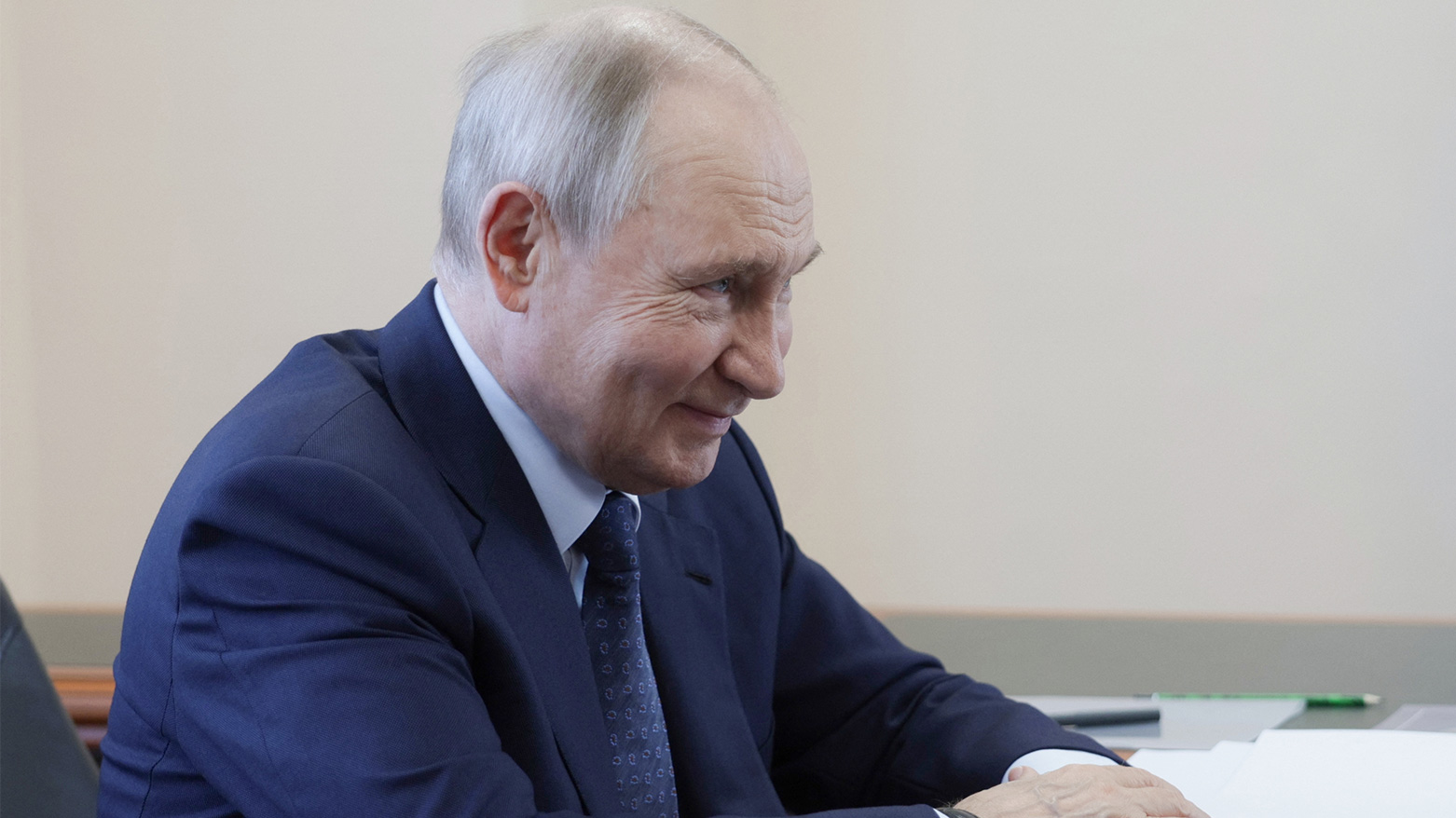
ERBIL (Kurdistan24) - Russian President Vladimir Putin has reviewed security along the country's eastern borders during a visit to the Russian-controlled Kuril Islands, emphasizing the need to protect Russia's territory on all fronts as Moscow continues its war in Ukraine.
Putin held a meeting on eastern border security while observing Pacific Fleet exercises, according to Russia's state-run TASS news agency. The discussions involved Pacific Fleet Commander Viktor Liina, Sakhalin Region FSB Border Guard Service head Sergey Makhorin and Acting Commander of the Defense Ministry's 68th Guards Army Corps Alexey Shvedov.
Putin Stresses Border Security
TASS reported that Putin said Russia was addressing the main objectives of its military operation in Ukraine but needed to ensure the country's security "along all its borders and across all its territories."
He described the Pacific Fleet's area of responsibility as a complex region, underscoring the importance Moscow places on maintaining military readiness in the Far East.
The meeting followed Putin's arrival in the region on Wednesday to observe the final stage of Pacific Fleet exercises. He received a briefing from Liina aboard the fleet's flagship, the missile cruiser Varyag, before watching naval maneuvers and live-fire exercises.
Putin also thanked the fleet's personnel and stressed the importance of maintaining the combat readiness of both the Pacific Fleet and Russia's wider armed forces.
The exercises began Aug. 4 and involved nearly 60 surface ships, submarines and support vessels, around 30 aircraft, helicopters and drones, and more than 13,000 military personnel operating in waters including the Sea of Japan, the Sea of Okhotsk and the northwestern Pacific.
Visit to Disputed Island Draws Japanese Attention
The security meeting took place during a politically significant visit to Etorofu, one of the Kuril Islands controlled by Russia but claimed by Japan.
Kyodo News reported that Putin's visit was his first to the Japanese-claimed island chain. Japan refers to Etorofu and three other islands as the Northern Territories, while Russia calls the group part of the Southern Kurils.
The dispute dates to the final days of World War II, when Soviet forces seized the islands shortly after Japan's surrender. Japan maintains that the territories were illegally occupied, while Moscow says the postwar settlement established Russian sovereignty.
The unresolved dispute has prevented Russia and Japan from concluding a formal peace treaty since World War II.
A Long-Running Territorial Dispute
Agence France-Presse reported that Putin's visit was also likely to further strain already difficult relations between Moscow and Tokyo.
The islands have considerable strategic importance because of their location between the Pacific Ocean and the Sea of Okhotsk, as well as their fishing grounds and mineral resources.
The Soviet Union established a permanent military presence there after taking control of the islands. Russia has maintained that presence, reinforcing the territory's role in its Far Eastern defense posture.
Previous Russian leaders have also visited the disputed islands. AFP noted that former President Dmitry Medvedev became the first Russian president to do so in 2010 and returned during his later tenure as prime minister.
The latest visit comes as Russia-Japan relations remain particularly strained after Tokyo joined US and other Western sanctions against Moscow following Russia's full-scale invasion of Ukraine in 2022.
Putin's decision to travel to the disputed territory therefore carries significance beyond the military exercises themselves. His message on eastern security, combined with the high-profile visit, signals Moscow's determination to maintain its territorial and military position in the Far East while Russia faces confrontation with Ukraine and its Western partners.
For Japan, meanwhile, the visit reinforces the longstanding dispute over the Northern Territories and underscores how little room currently exists for progress toward the peace treaty that has remained unresolved since 1945.