Eleven Years After Peshmerga Liberated Sinjar, Thousands of Ezidis Await Return
Eleven years after Peshmerga liberated Sinjar from ISIS, thousands of Ezidis remain displaced as questions over missing relatives, security and justice persist.
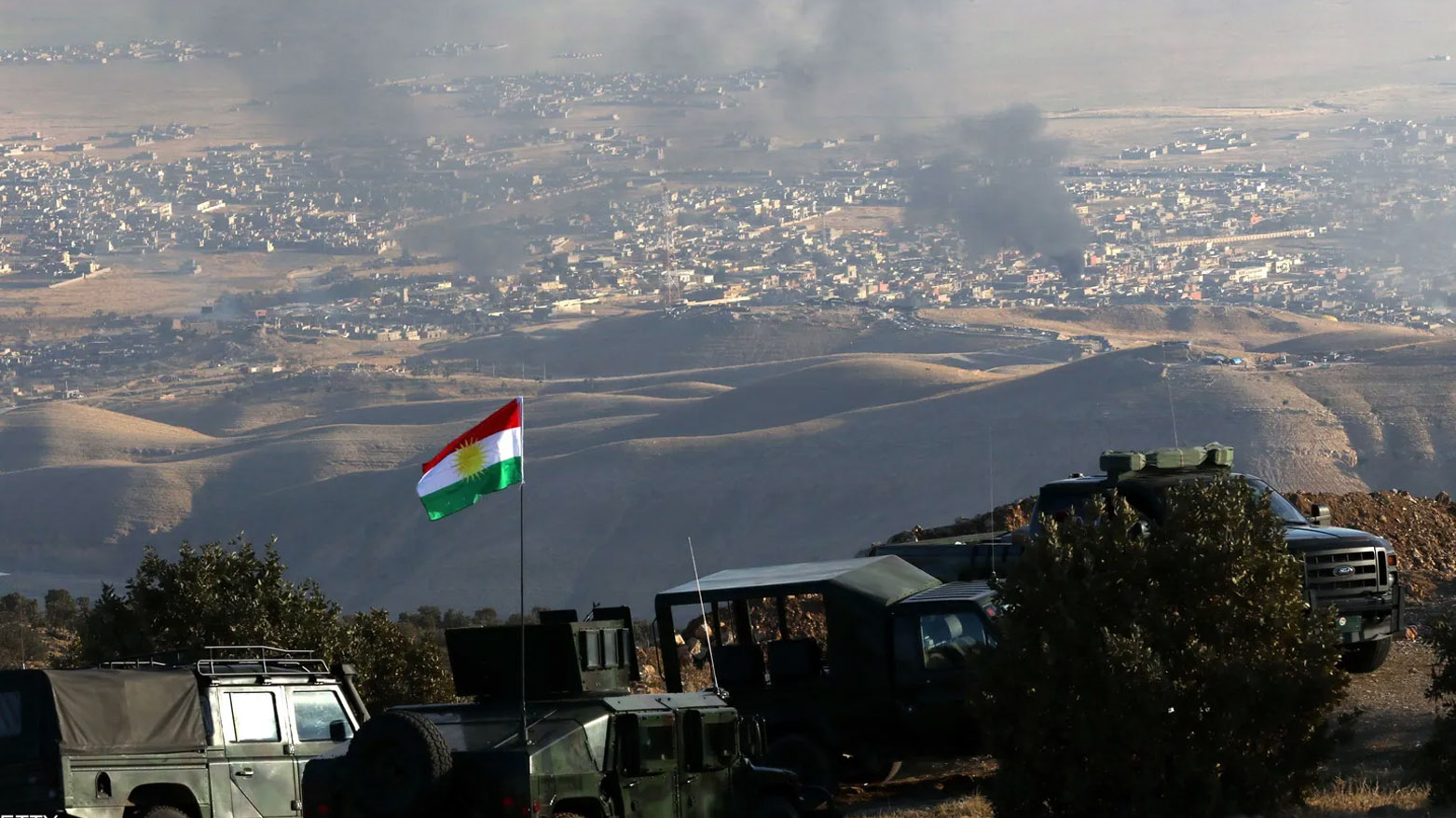
ERBIL (Kurdistan24) - Eleven years after Kurdish Peshmerga forces liberated Sinjar (Shingal) from ISIS on Nov. 13, 2015, the anniversary remains a reminder of both a decisive military victory and the suffering that has continued for thousands of Ezidi families.
The operation, overseen by President Masoud Barzani, ended approximately 15 months of ISIS control over the district. Yet many people uprooted by the extremist group's 2014 assault have never returned home. The fate of thousands of abductees remains unresolved, while security disagreements and the incomplete implementation of a 2020 agreement continue to complicate Sinjar's recovery.

The Battle That Reclaimed Sinjar
ISIS overran Sinjar in August 2014, attacking its Ezidi population and forcing large numbers of residents to flee, including families who sought refuge on Mount Sinjar. The offensive brought killings, abductions and displacement that devastated the community.
On Aug. 4, 2015, the first anniversary of the attack, Barzani vowed to pursue those responsible for crimes against the people of Sinjar.
Three months later, Peshmerga forces advanced into the district and liberated its main town on Nov. 13. The operation severed Highway 47, an important ISIS supply route connecting Mosul in Iraq with Raqqa in Syria, disrupting the group's ability to move between its principal strongholds.
Speaking from Mount Sinjar after the victory, Barzani declared: "I announce the good news of the liberation of Sinjar to the people of Kurdistan."
He dedicated the victory to the people of Kurdistan, the families of fallen fighters and, particularly, Ezidi survivors. The liberation marked a major military setback for ISIS and renewed hopes that those driven from their homes could eventually return.

Liberation Without a Return Home
For many families, however, the end of ISIS control did not bring an end to displacement.
Eleven years later, Ezidi residents remain in camps and displacement settlements in Duhok province, including Shariya, Kabarto, Khanke and Shekhan. The continuing presence of multiple armed forces, concerns over personal safety and shortages of basic services have prevented many from rebuilding their lives in Sinjar.
The security situation changed again after Oct. 16, 2017, when Iraqi forces and armed groups advanced into territories outside the Kurdistan Region's administrative control, including Sinjar. Different forces have since maintained a presence in the district, contributing to uncertainty over security responsibility.
For displaced families, the question of return is therefore tied not only to rebuilding homes but also to whether stable security arrangements can be established and sustained.
Thousands Still Missing
The anniversary also brings renewed attention to Ezidis abducted during the ISIS assault.
According to Kurdistan Regional Government figures cited in the anniversary report, approximately 6,417 people from Sinjar were abducted. Of those, 3,595 have been rescued, while more than 2,822 people are still reported missing, including about 1,215 women and girls.
For families still awaiting information, the passage of eleven years has brought no definitive answer about the fate of their relatives.
The search for victims has also continued through the investigation and exhumation of mass graves. About 96 graves have reportedly been identified in Sinjar and its surroundings, of which approximately 85 have been exhumed.
Remains recovered from the sites have undergone identification procedures, including DNA testing. The remains of around 300 victims have been returned to their families, while others await identification and some burial sites have yet to be examined.

Recognition and the Demand for Justice
ISIS crimes against the Ezidis have received extensive international recognition as genocide, with governments, parliamentary bodies and United Nations investigators documenting the atrocities.
Germany's Bundestag formally recognized the genocide in January 2023. The United Nations Investigative Team to Promote Accountability for Crimes Committed by Da'esh/ISIL (UNITAD) also concluded that ISIS committed genocide, alongside war crimes and crimes against humanity.
Iraq adopted the Yazidi Survivors Law in 2021, recognizing acts of genocide and establishing a framework for support and reparations for survivors.
Nevertheless, recognition and reparations have not resolved the wider questions of accountability, the missing and the return of displaced people.
Six Years After the Sinjar Agreement
On Oct. 9, 2020, the Kurdistan Regional Government (KRG) and the Iraqi federal government reached an agreement, welcomed by the United Nations, to normalize conditions in Sinjar.
The agreement envisaged an independent district mayor acceptable to both sides, security managed by official police and other authorized agencies, the withdrawal of unauthorized armed formations, recruitment of 2,500 local people into security services, and reconstruction measures to facilitate the safe and dignified return of displaced residents.
It also provided for joint follow-up to oversee implementation. Six years later, its central administrative, security and reconstruction provisions remain the subject of disagreement.

A new development occurred on Oct. 26, 2026, when Baghdad began integrating members of the Sinjar Resistance Units (YBŞ), an armed group linked to the Kurdistan Workers' Party (PKK), into federal security institutions.
Kurdistan24 reported that the process involved approximately 5,000 members, although accounts of the number covered have varied.
Federal officials presented the move as part of efforts to place weapons under state control and transfer responsibility for Mount Sinjar to Iraqi authorities.
The KRG, however, objected that the arrangements had been made without its participation and argued that unilateral steps violated the 2020 agreement. It called for the original accord's full implementation, including its provisions for local administration, reconstruction and secure returns.

An Anniversary Marked by Unfinished Responsibilities
The liberation of Sinjar remains a historic moment for the Peshmerga and for Ezidi families who survived ISIS rule. But eleven years later, the anniversary is inseparable from continuing displacement, unidentified remains and unanswered questions about those taken captive.
For Sinjar's people, a lasting recovery depends on more than remembering the military victory. It requires security, functioning services, reconstruction and a credible path for families to return to their homes with dignity.