Kirkuk Farmers Say Topzawa Lands Face Confiscation
Residents say a proposed master plan could affect thousands of dunams and demand implementation of Iraqi legislation restoring lands confiscated under the former regime.
ERBIL (Kurdistan24) - Residents and farmers of Topzawa village in Kirkuk Province held a large protest on Sunday against what they described as an attempt by the Kirkuk administration to seize their agricultural lands through a new urban master plan.
The demonstration took place near a monument commemorating victims of the Anfal campaign, with protesters warning that the proposed plan could alter the ownership and demographic character of an area they consider their ancestral homeland.
According to a statement issued by Topzawa residents and farmers, the proposed master plan covers the village's Sector 24 and could result in agricultural land being converted for urban development and distributed as residential plots.
Farmers Cite Decades-Old Land Dispute
The protesters said the current dispute is linked to land confiscations carried out under the former Baath regime in 1975, when agricultural lands belonging to Kurdish and Turkmen farmers in the area were seized.
Residents argue that the latest development risks perpetuating the consequences of those earlier measures rather than resolving them.
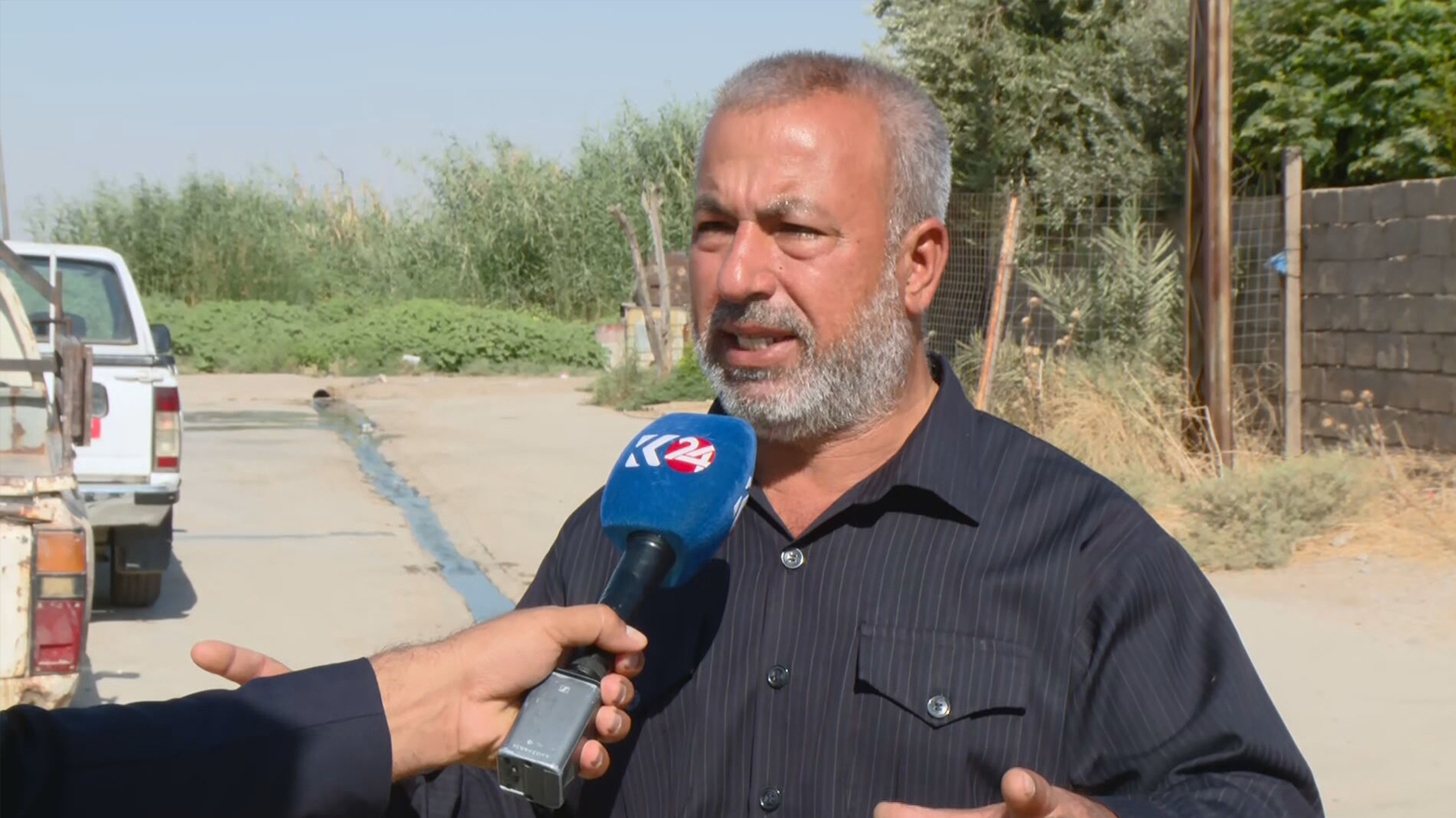
One Topzawa farmer told Kurdistan24 that the administration plans to distribute approximately 50,000 residential plots on land that has remained disputed for decades.
"The Kirkuk administration wants to distribute 50,000 plots of land on the soil of our ancestors—land that has been occupied for 51 years—under the pretext of urban expansion,"
the farmer said.
He argued that the move would violate Article 140 of the Iraqi Constitution, which provides a framework for resolving the status of disputed territories and addressing the consequences of demographic policies implemented under previous governments.
Residents Demand Land Restitution
The protesters called on federal and local authorities to halt projects associated with the master plan until legislation governing the return of confiscated agricultural land is fully implemented.
Their statement urged Kurdish members of the Kirkuk Provincial Council to oppose the plan and called on Kurdish and Turkmen members of the Iraqi Parliament to closely monitor implementation of Law No. 3 of 2025, which residents say repealed decrees issued by the former regime and provides for the restoration of land to its original owners.
The protesters also demanded that Baghdad issue the executive regulations required to implement the legislation, arguing that the absence of such procedures is delaying the restitution process.
They further called on the provincial council to prevent Iraqi military forces from being used in connection with the confiscation of agricultural land.
A Dispute With Wider Political Implications
The Topzawa dispute reflects broader and long-running disagreements over property ownership, demographic change and administrative authority in Kirkuk.
The city's surrounding areas have been affected by successive waves of demographic policies, displacement and land disputes, leaving ownership claims unresolved in several communities.
For the residents of Topzawa, the issue extends beyond individual property rights.
They described the preservation of their agricultural lands as part of a wider effort to protect the village's demographic and national character and prevent what they characterize as renewed demographic engineering.
The residents concluded their statement by declaring their land a "red line" and pledging to remain on their property.
The dispute now places responsibility on the Kirkuk administration and federal authorities to reconcile urban development plans with existing ownership claims and legislation intended to address the legacy of land confiscations.