Germany Tightens Syrian Asylum Reviews, Revokes More Protection
DW reports that 23.2% of protection reviews in Germany ended in revocation or withdrawal in the first half of 2026, up sharply from previous years.
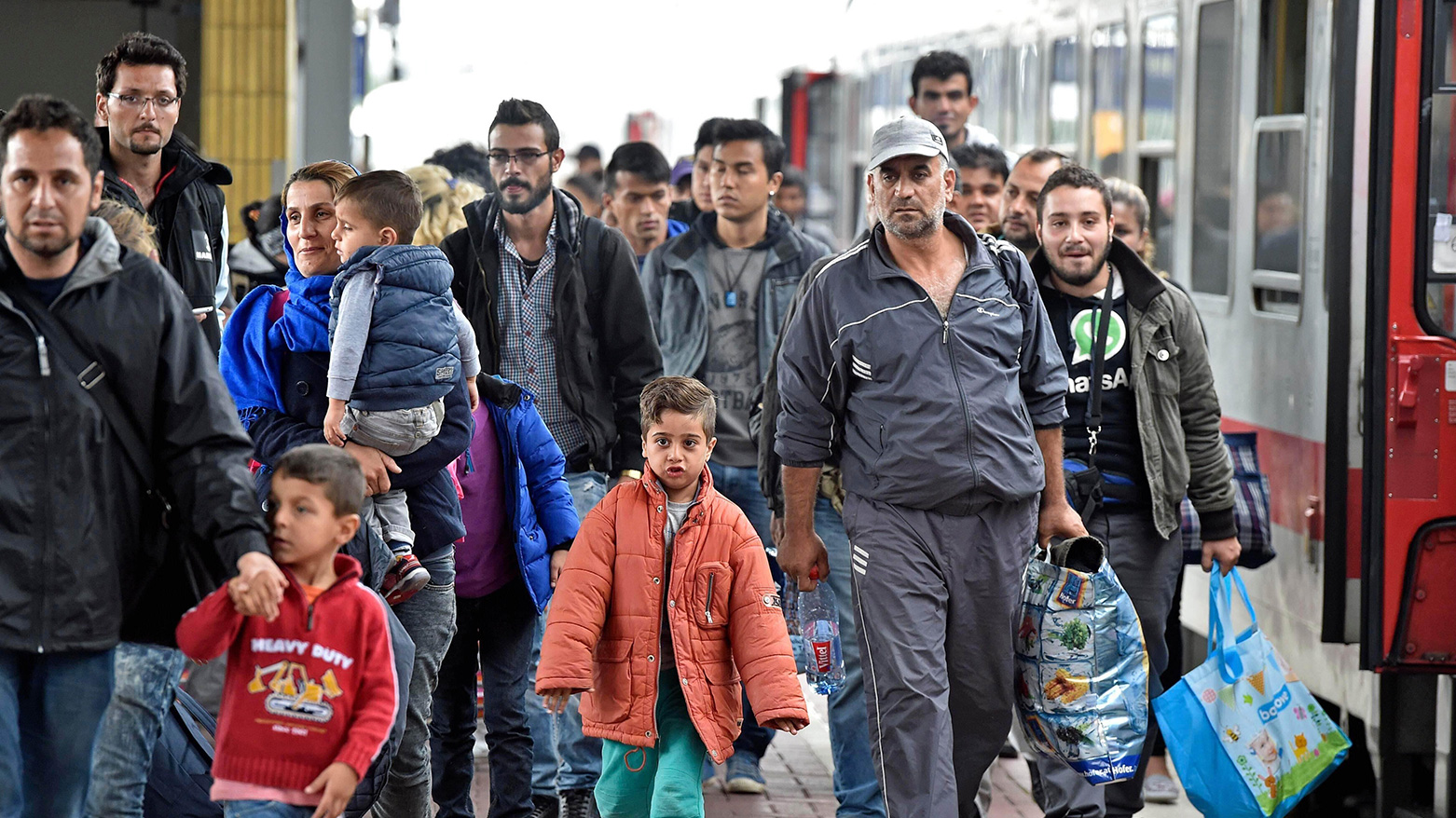
ERBIL (Kurdistan24) - Germany has sharply increased the number of Syrian refugees losing formal protection status as authorities reassess asylum cases following the fall of Bashar al-Assad's government, according to Deutsche Welle (DW).
In the first half of 2026, 23.2% of 8,320 protection reviews resulted in refugee status or subsidiary protection being revoked or withdrawn, the German government said in response to a parliamentary inquiry from the opposition Left Party.
The proportion represents a significant increase from previous years. DW reported that protection was revoked or withdrawn in 3.7% of reviewed Syrian cases in 2025 and 3.1% in 2024.
The figures come as Berlin increasingly debates whether conditions in Syria have improved sufficiently for more refugees to return.
Protection Reviews Expand
The German authorities' reassessment campaign accelerated after Assad's government collapsed in December 2024.
Under German law, protection can be withdrawn when fundamental circumstances in a refugee's country of origin have changed or when authorities determine that protection was granted on the basis of false information.
DW reported that Germany's Federal Office for Migration and Refugees (BAMF) expanded its review procedures last year. The assessments can include Syrians who have held protection for at least 21 months and people authorities consider no longer to require international protection.
Losing refugee status does not automatically mean immediate deportation.
Some Syrians may qualify for another residence permit, including through employment, while others may eventually qualify for permanent residence or German citizenship.
Deportations Remain Limited
Despite the increased number of protection revocations, actual deportations to Syria remain relatively uncommon.
Germany resumed deportations to Syria after the fall of Assad, marking the first such removals since the beginning of the Syrian war in 2011.
DW reported that deportations require cooperation from Syrian authorities and remain difficult to implement. The supplied figures indicate that Germany carried out its first deportation to Syria last year, followed by three additional deportations during the first half of 2026.
The distinction is important: losing protection status does not necessarily translate into immediate return.
Debate Over Whether Syria Is Safe
The policy shift has intensified political debate in Germany over the future of the Syrian population.
Chancellor Friedrich Merz has suggested that as many as 80% of Syrians living in Germany could return within three years, a proposal that prompted criticism from refugee advocates and experts who questioned whether the timetable was realistic.
The Left Party has opposed forced returns.
Clara Bünger, the party's refugee policy expert, argued that Syria remains too unstable for compulsory returns and called instead for permanent protection for Syrians already granted asylum.
DW also noted that concerns extend beyond security. Housing shortages, humanitarian needs and uneven conditions across Syria remain obstacles to large-scale returns.
New Asylum Claims Fall Sharply
At the same time, the number of new Syrian asylum applications in Germany has fallen dramatically.
According to the figures supplied, Syrians filed about 5,000 new applications during the first half of 2026, a major decline from the hundreds of thousands of applications recorded over the past decade.
DW reported that Germany received 978,761 Syrian asylum applications since 2013, illustrating the scale of the earlier migration wave.
The decline coincides with the collapse of the Assad government and increased returns by Syrians from countries neighboring Syria, including Türkiye, Lebanon and Jordan.
Many Syrians Are Already Integrated
The debate over returns also comes as a large Syrian community has become established in Germany.
DW reported that about 973,000 Syrians were living in Germany at the end of 2023, including roughly 700,000 people with refugee or subsidiary protection status.
More than 200,000 Syrians have since acquired German citizenship, while approximately 70,000 hold permanent residency.
Many are also employed in sectors facing labor shortages, including healthcare, logistics, hospitality, retail and delivery services.
That economic integration has become part of the broader discussion over whether encouraging returns could create new labor shortages within Germany.
A New Phase in Germany's Syria Policy
Germany's growing use of protection reviews signals a major shift from the approach that prevailed during the height of the Syrian war.
For years, large numbers of Syrians received protection because of the danger posed by conflict and persecution. After Assad's fall, Berlin suspended decisions on some Syrian cases while authorities assessed the new political and security environment.
The latest figures indicate that the review process is now gathering pace.
But the numbers also show the limits of a simple return policy. Revoking protection is legally distinct from deportation, and Germany still faces practical, political and security obstacles to sending large numbers of Syrians back.
For now, the government's approach appears to be moving in two directions at once: fewer new Syrians are receiving asylum, while existing cases are being reassessed more aggressively.
The central question is whether the changing conditions in Syria will ultimately lead to large-scale voluntary returns—or whether continued instability will keep Germany's Syrian population under a more complicated system of temporary and permanent residence protections.