British Ambassador Says Corruption Is Embedded in Iraq’s Political System
The British ambassador to Iraq says armed groups refusing to surrender their weapons could push the country toward armed confrontation, while corruption remains a wider challenge within Iraq’s political system.
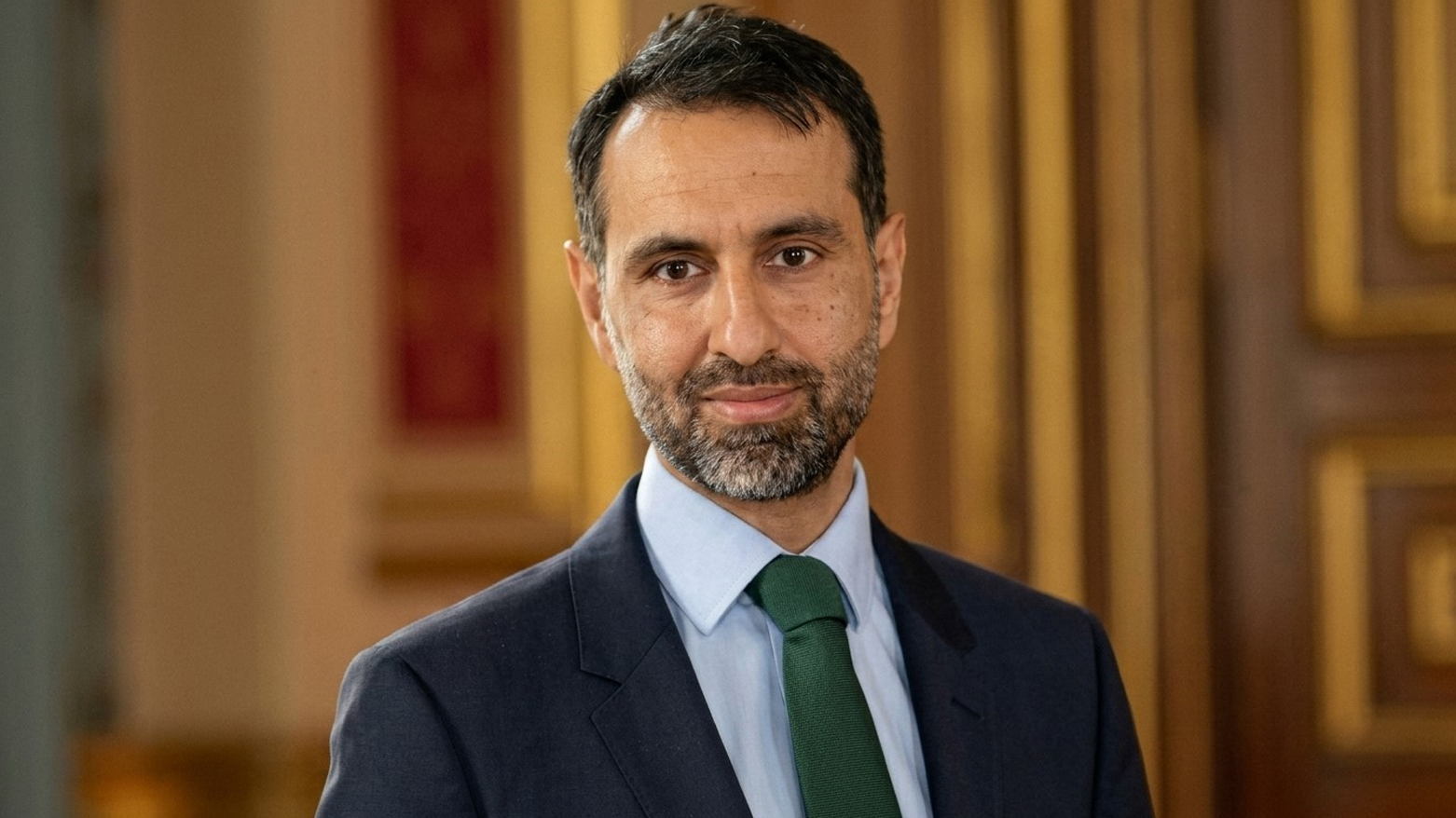
ERBIL (Kurdistan24) - The British ambassador to Iraq, Irfan Sadiq, has warned that the continued presence of uncontrolled weapons poses a threat to Iraq, the wider region and Europe, saying armed groups that refuse to surrender their weapons could eventually push the country toward armed confrontation.
Sadiq said some Popular Mobilization Forces units are not complying with orders issued by the Iraqi prime minister, adding that continued rejection of disarmament by armed groups could lead to an escalation inside Iraq.
The British ambassador said the real reasons behind the continued existence of some armed groups include seeking power, collecting taxes and controlling territories.
He also stressed that there are no guarantees that Western interests would remain safe from being targeted if these groups refuse to surrender their weapons.
Sadiq further said that if the groups hand over their weapons to the state, there is a possibility that they could receive Western cooperation and encouragement and potentially become partners of the West, similar to what happened with Ahmed al-Sharaa, the president of Syria.
The ambassador also said corruption is part of Iraq’s political system and has been accepted by political elites.
The remarks come as Iraq continues a nationwide anti-corruption campaign launched on June 28, 2026.
Several Iraqi lawmakers whose names appear on an official list of corruption suspects have not been arrested and continue carrying out their parliamentary duties. The list submitted to the Iraqi parliament reportedly contains 19 lawmakers accused in corruption-related cases, including four who served in previous parliamentary terms and 15 members of the current legislature.
Parliamentary immunity has reportedly been lifted for those named on the list. While some suspects have been arrested and others have fled, several lawmakers whose names reportedly appear on the list continue to attend parliamentary sessions without being detained or approached by authorities.
Separately, Iraq’s Supreme Judicial Council said the Rusafa Investigative Court, which specializes in corruption and money laundering cases, had recovered 20 billion Iraqi dinars and returned the funds to the state treasury.
The court said the recovered money was linked to investigations into financial and administrative corruption and fraud schemes, adding that legal proceedings against those involved would continue.
The nationwide campaign has resulted in the arrest of dozens of officials, lawmakers and political party leaders accused in corruption-related cases.
Among those detained was Adnan Jumaili, the Deputy Oil Minister for Refinery Affairs. Authorities have also seized tens of billions of Iraqi dinars, millions of US dollars and tens of kilograms of gold linked to the corruption files, according to information related to the ongoing investigations.
The continued presence of lawmakers named in corruption files inside parliament, alongside the ambassador’s remarks about corruption being embedded within Iraq’s political system, highlights the broader challenges facing the country as investigations and legal proceedings continue.