Iran Says US Economic War Violates International Law
Iran’s Foreign Ministry spokesperson says US sanctions violate state sovereignty and international law and warns they could undermine the foundations of the international system.
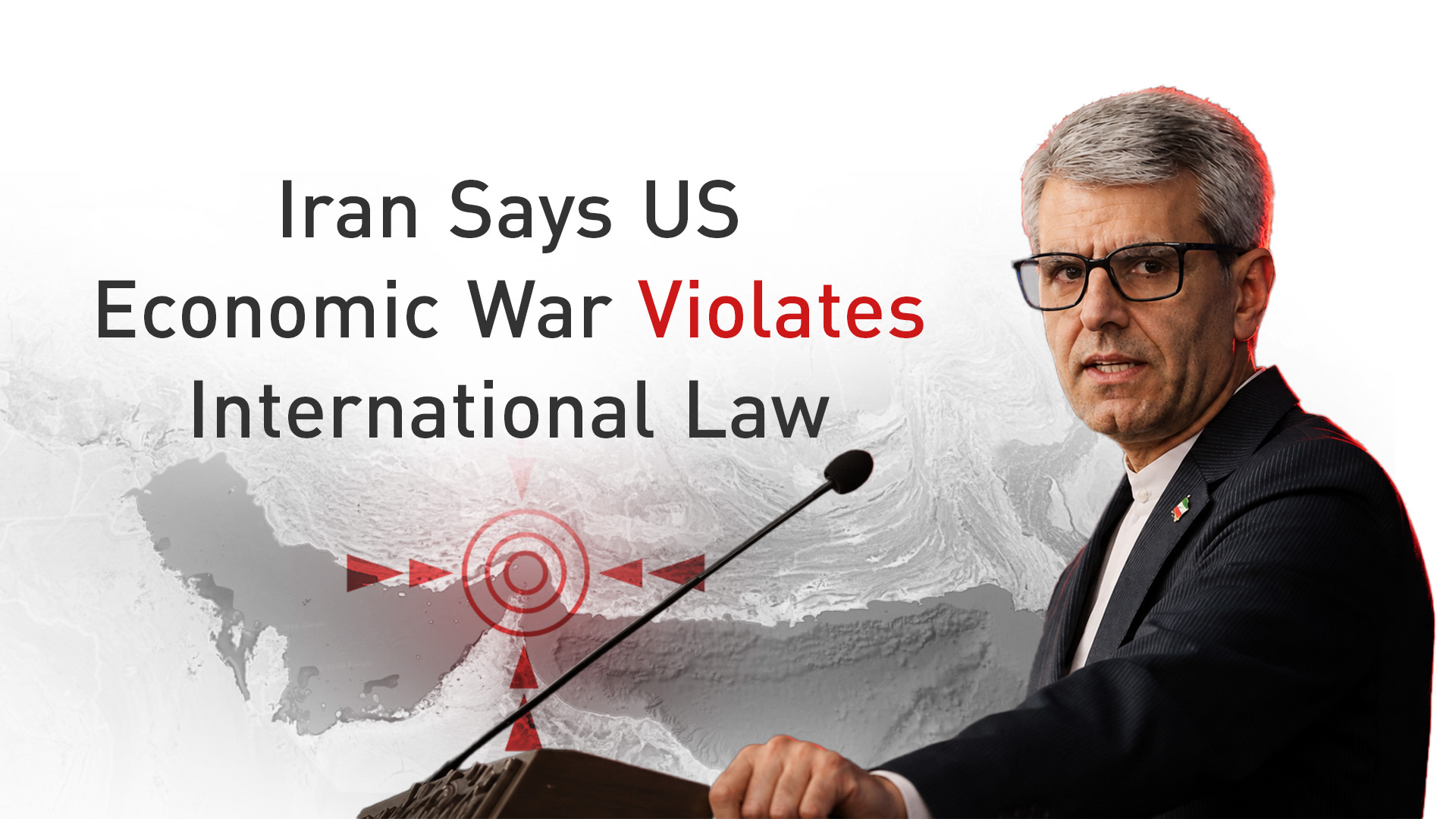
ERBIL (Kurdistan24) - Iran’s Foreign Ministry spokesperson has sharply criticized US sanctions against Tehran, describing them as an illegal economic war and an attempt to impose US dominance over independent states that are members of the United Nations.
Esmaeil Baghaei said on Saturday, in a post on X that no state has the legal right to force foreign banks, companies, or airports in other countries to sever their lawful commercial relations with a third country.
He stressed that such institutions operate under the authority and sovereignty of their respective countries, not the United States.
Baghaei said secondary sanctions have no basis in international law.
“These actions are an explicit violation of the principle of sovereign equality of states enshrined in Article 2 of the UN Charter, and also contradict the prohibition upheld by the International Court of Justice (ICJ) in the Nicaragua case concerning intervention in the affairs of states,” he said.
The Iranian Foreign Ministry spokesperson described the economic pressure as an unlawful international act aimed at forcing a sovereign state to change its legitimate policy choices.
Baghaei also warned that such US demands, when combined with a naval blockade, could amount to a form of military aggression.
“This policy makes the sovereignty of other states a temporary and conditional matter that exists only at the will of another power,” he said.
The Iranian official concluded by warning the international community that Washington’s actions could lead to the destruction of the foundations of the international system and the United Nations, pushing the world toward what he described as a “frightening return to the era of classic colonialism.”