Shibl al-Zaydi Joins Iraq’s Shiite Coordination Framework Leadership
Kataib Imam Ali commander to attend future Coordination Framework meetings after expressing readiness to hand over group’s weapons to the Iraqi government
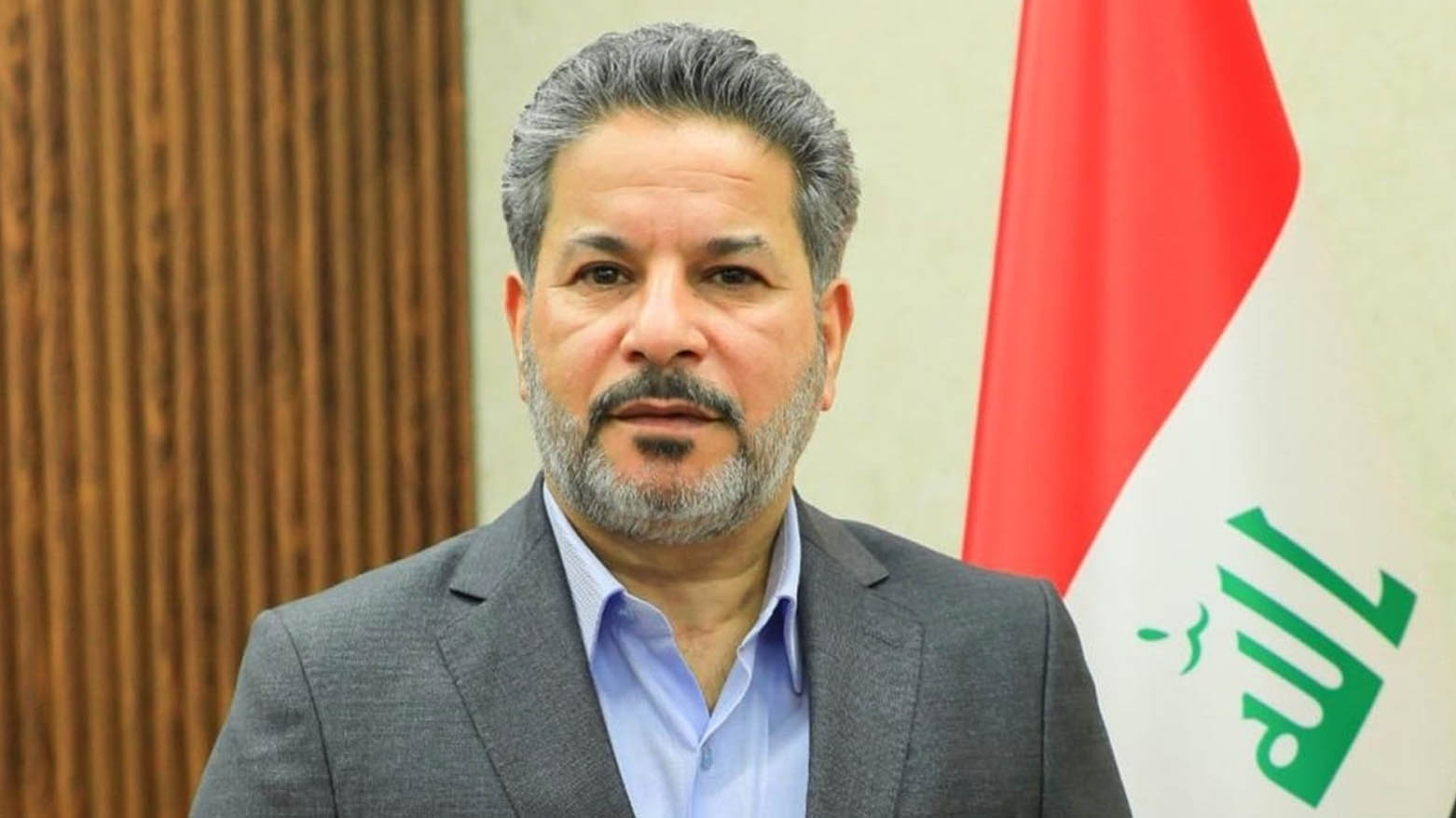
ERBIL (Kurdistan24) — Shibl al-Zaydi, head of the Khadamat Alliance and commander of Kataib Imam Ali, has become one of the leaders of Iraq’s Shiite Coordination Framework and will participate in the bloc’s upcoming meetings, according to information obtained by Kurdistan24.
The move follows al-Zaydi’s stated readiness to hand over the weapons of his armed group to the Iraqi government as Baghdad pushes to bring weapons held by armed factions under state control.
Abbas Ameri, secretary-general of the Shiite Coordination Framework, confirmed that al-Zaydi had become a participating member of the framework’s meetings after all of its leaders signed off on his inclusion.
Kataib Imam Ali was one of the armed groups belonging to the Iran-backed “resistance” camp and took part in attacks against US interests during the 40-day US-Israeli war against Iran.
However, following the Iraqi government’s call for armed groups to place their weapons under state control, al-Zaydi was among the faction leaders who announced that he was prepared to hand over the group’s weapons to the government.
Changes Within Coordination Framework
Al-Zaydi’s inclusion comes as the Coordination Framework has reshaped participation in its leadership meetings.
Two prominent faction leaders were excluded from previous meetings. Abu Ala al-Walai, head of Kataib Sayyid al-Shuhada, was excluded over his refusal to commit to handing over weapons, while Ahmed al-Asadi was excluded after being summoned by the courts in connection with corruption allegations.
With al-Zaydi’s inclusion, he is expected to take the place of one of the leaders excluded from future Coordination Framework meetings.
The development comes amid an ongoing debate in Iraq over the future of armed factions and the government’s efforts to consolidate control over weapons, particularly following the escalation of regional tensions and attacks involving Iran-aligned Iraqi groups.