Hormuz Traffic Surges Nearly 400% as Analysts Say Iran is Losing Its Grip on the World's Most Critical Oil Corridor
Nearly 200 ships navigated the strait last week as vessels increasingly use the US-backed Omani route, even as Iran strikes five ships and Rezaei threatens "earthquake-like" retaliation against Washington's crushing new sanctions
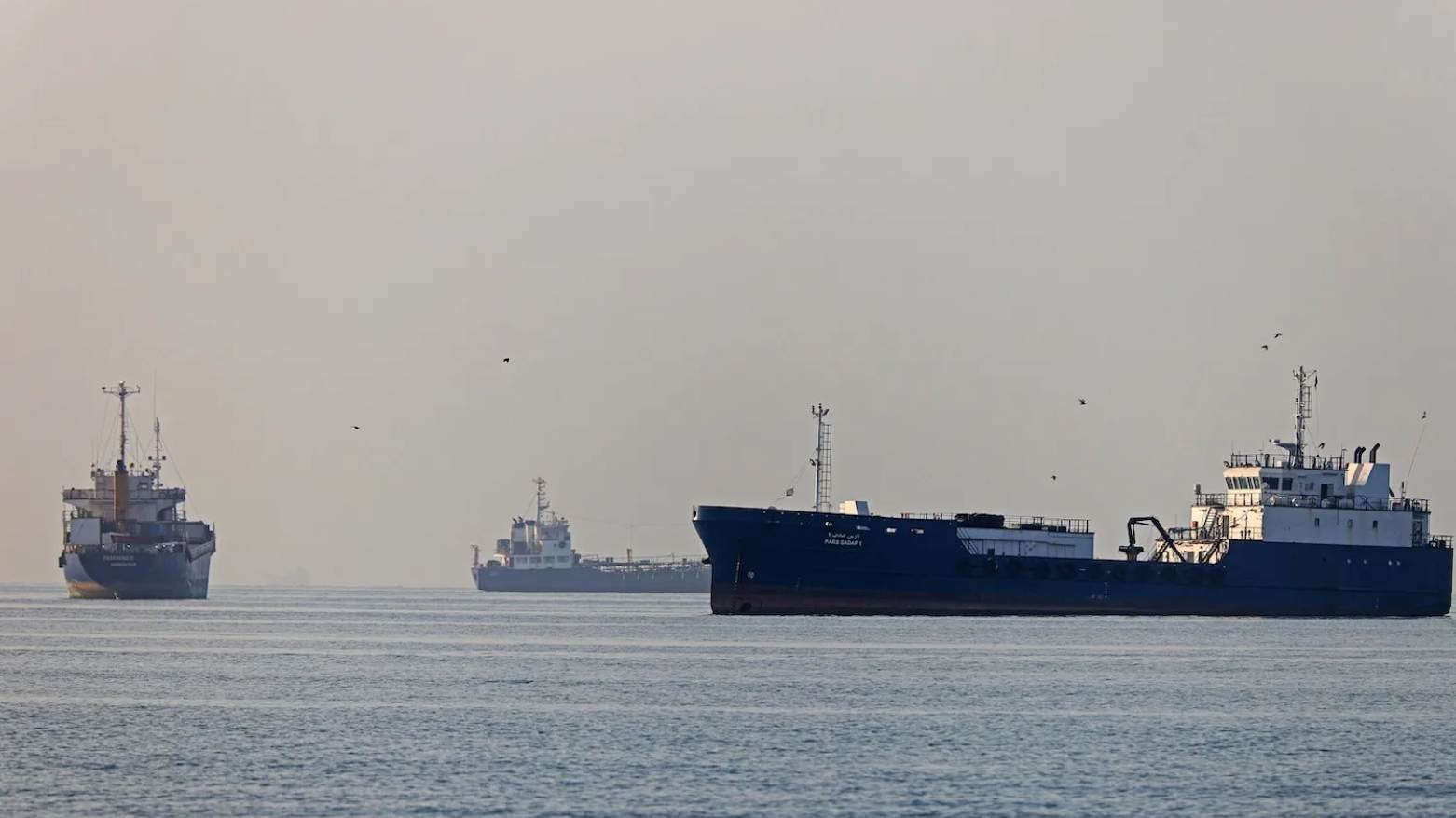
ERBIL (Kurdistan 24) - Traffic through the Strait of Hormuz has surged by nearly 400 percent over the past two weeks, with analysts saying Iran appears to be losing at least partial control of the world's most critical oil corridor, as ships increasingly navigate a US-backed passage route despite Tehran's continued attacks on commercial vessels and its insistence on managing the waterway on its own terms.
Nearly 200 ships navigated the strait last week, up from 150 the previous week and just 40 two weeks earlier, according to data from the UK Maritime Trade Operations Center published on Friday. The surge brings total traffic along the passage route to approximately 20 percent of pre-war levels, through which roughly 20 percent of the world's seaborne oil flowed during peacetime.
"It increasingly looks like Iran has at least partially lost control of the strait," Homayoun Falakshahi, head of crude oil analysis at maritime intelligence firm Kpler, told CNN on August 18, 2026. More than 80 percent of liquid cargoes transiting the Strait of Hormuz over the past two weeks have either taken the Omani route, a US-backed, UN International Maritime Organization-authorized channel that Iran rejects, or gone dark, likely slipping through the same corridor, according to Kpler data.

"The Oman route absolutely makes the most sense," added Dan Pickering, founder of Pickering Energy Partners, as the New York Post reported on Friday, noting that it is a way for vessels to avoid paying a toll to Tehran.
Over the past seven days, 103 ships entered the strait, and 89 exited it, a 27 percent jump from a week ago when 76 ships entered, and 75 exited. The change is even more dramatic than two weeks ago, when just 18 ships entered, and 21 exited the waterway. Most vessels that passed through were registered under the flags of Panama and Liberia, US-allied flag states, with approximately half oil tankers and half dry cargo ships.
The US has been quietly shepherding oil tankers across Hormuz since May 2026, using shadow fleet tactics including turning off their radars to navigate undetected and routing vessels close to the Omani coast, as the New York Post confirmed on Wednesday.
Iran Strikes Five Ships, Threatens "Earthquake-Like" Retaliation
Despite the traffic surge, Iran has not abandoned its campaign against commercial shipping. Five vessels were struck by Iranian projectiles over the past week, leaving two people injured or dead, with ships reported as damaged but not lost.
Iran's Supreme National Security Council Secretary Mohsen Rezaei escalated Tehran's rhetoric sharply on Saturday, warning President Trump directly on state television. "If Trump wants to take action, we will retaliate in an earthquake-like manner," Rezaei said. Rezaei also warned that Tehran will target the interests of any country helping the United States wage economic warfare against the Islamic Republic, and reiterated Iran's position that any Hormuz opening will be managed by Tehran and carry a fee, a stance he explicitly said has no connection to the separate Iran-Oman middle route agreement.
Trump Declares Hormuz De-Mined and Open
President Trump declared on Truth Social on Tuesday that the strait has been fully de-mined and reopened. "The Hormuz Strait is open and operating," he wrote in a statement designed to clear the way for traffic to gradually resume. Trump simultaneously announced he plans to implement what he described as the "most crushing economic operation ever undertaken" against Iran in the form of new sanctions, with Treasury Secretary Scott Bessent confirming unprecedented measures are expected on Monday.
The 60-day period for talks to end the war came to a close on Monday, with start-and-stop discussions to negotiate control of the strait having sputtered without producing a durable agreement. Iran's Foreign Ministry spokesman Esmail Baghaei confirmed on Saturday that Iran and Oman reached agreement on the geographic coordinates of a navigation map for the strait, but Rezaei's Saturday remarks made clear that Tehran views that bilateral technical agreement as entirely separate from its broader claim to manage and charge for all Hormuz transit.
The Gap Between Perception and Reality
The nearly 400 percent traffic surge and Kpler's assessment that Iran has at least partially lost control of the strait represent a significant development in the conflict's economic dimension. However, the gap between current traffic levels and pre-war norms remains enormous. Total traffic at approximately 20 percent of pre-war levels means that roughly 80 percent of the oil and gas that normally flows through Hormuz is still not moving through the waterway, leaving global energy markets under sustained pressure and Iraq, Kuwait, and other Gulf exporters still unable to restore normal revenue flows nearly six months after the conflict began.
As Rezaei's "earthquake-like" warning and the five ship strikes this week demonstrate, the partial reopening of the corridor has not ended Iran's willingness or ability to impose costs on commercial shipping, and Monday's arrival of Trump's unprecedented sanctions package will test whether Tehran responds with further escalation or a return to the negotiating table.