From Hawraman to the Gathas: The Story of Kurdish Siya Chemane
Kurdish singer Dara Muhammed explores Siya Chemane's Hawraman origins, its Berzechr melody and its links to the Gathas and Zoroastrian tradition.
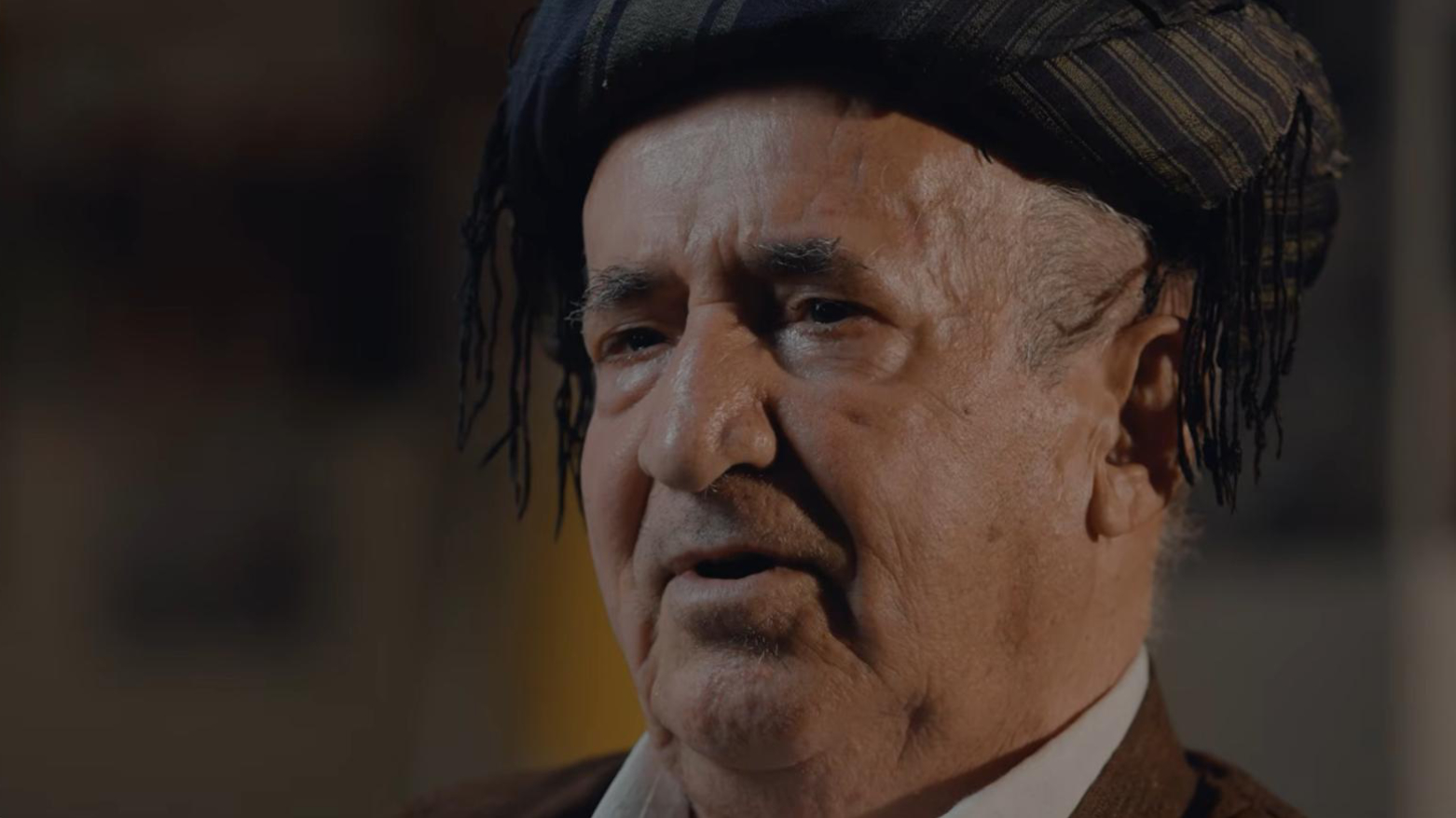
ERBIL (Kurdistan24) - For Kurdish singer Dara Muhammed, Siya Chemane is more than a musical form. He describes it as part of a history that joins the Zagros mountains, the settlement of Kurdish communities and religious expression across different eras.
Muhammed locates the origins of the tradition in Hawraman, a region he associates with the people of the Zagros. In his account, the melody known as "Berzechr" emerged there, developing as communities established permanent settlements and their artistic life grew.
He believes that the growth of music followed the establishment of settled communities. As people built lasting lives in a place, he explained, they also developed their melodies and artistic practices.
For Muhammed, this connection helps explain the significance of Berzechr. He calls the melody "the religious anthem of the Kurdish nation," placing it at the intersection of musical identity and spiritual heritage.
A Name Rooted in Language
Muhammed also draws attention to the words that make up Siya Chemane. He explains "siya" as meaning "right" and "cheman" as "spring," pointing to the position of the qualifying word before the noun.
That ordering, he says, is a notable feature of the Kurdish language. For him, the name itself carries an explanation of the tradition, linking a form of music with the language in which it is understood and performed.
While he identifies Hawraman as Siya Chemane's place of origin, Muhammed emphasizes that the tradition did not remain unchanged. He divides its melodies into historical periods, beginning with the era when people settled in the Zagros.
From Ancient Melodies to Religious Verse
According to Muhammed, Siya Chemane took another form during the time of Zoroaster, when it was sung to the Gathas, the religious verses he associates with the tradition.
He describes the Gathas as the poetry of Siya Chemane and says the tradition encompasses 72 types of maqams, or melodic modes.
In tracing its earlier musical history, Muhammed mentions Bamshad, Ramtin, Nakisa and Barbad among the names associated in his account with ancient Berzechr melodies.
He also recalls numerous Siya Chemane singers during the Sasanian period. Moving to other figures in the tradition, he names Osman, Hamzeh Hossein Keymaneyi and Jamil Nosudi, praising their performances of a style he calls "Sekochik Siya Chemane."
His account places particular emphasis on the religious setting of the Gathas. Muhammed says that, during the Zoroastrian fire era, Magi sang these verses in devotion to Ahura Mazda, whom he describes as the Great God, while performing Siya Chemane.
Across these different periods, Muhammed returns to the same idea: the sound of Siya Chemane cannot be separated, in his understanding, from the history of the people who sang it. For the singer, its importance lies not only in the melodies themselves, but also in the language, beliefs and experiences attached to them.