Trump Spoke with Pakistan Army Chief Ahead of Tehran Mediation Visit
The call, which has not been publicly acknowledged by the White House, came as Munir traveled to Tehran on Monday with a Pakistani delegation as part of Islamabad’s efforts to promote regional peace and revive stalled negotiations.
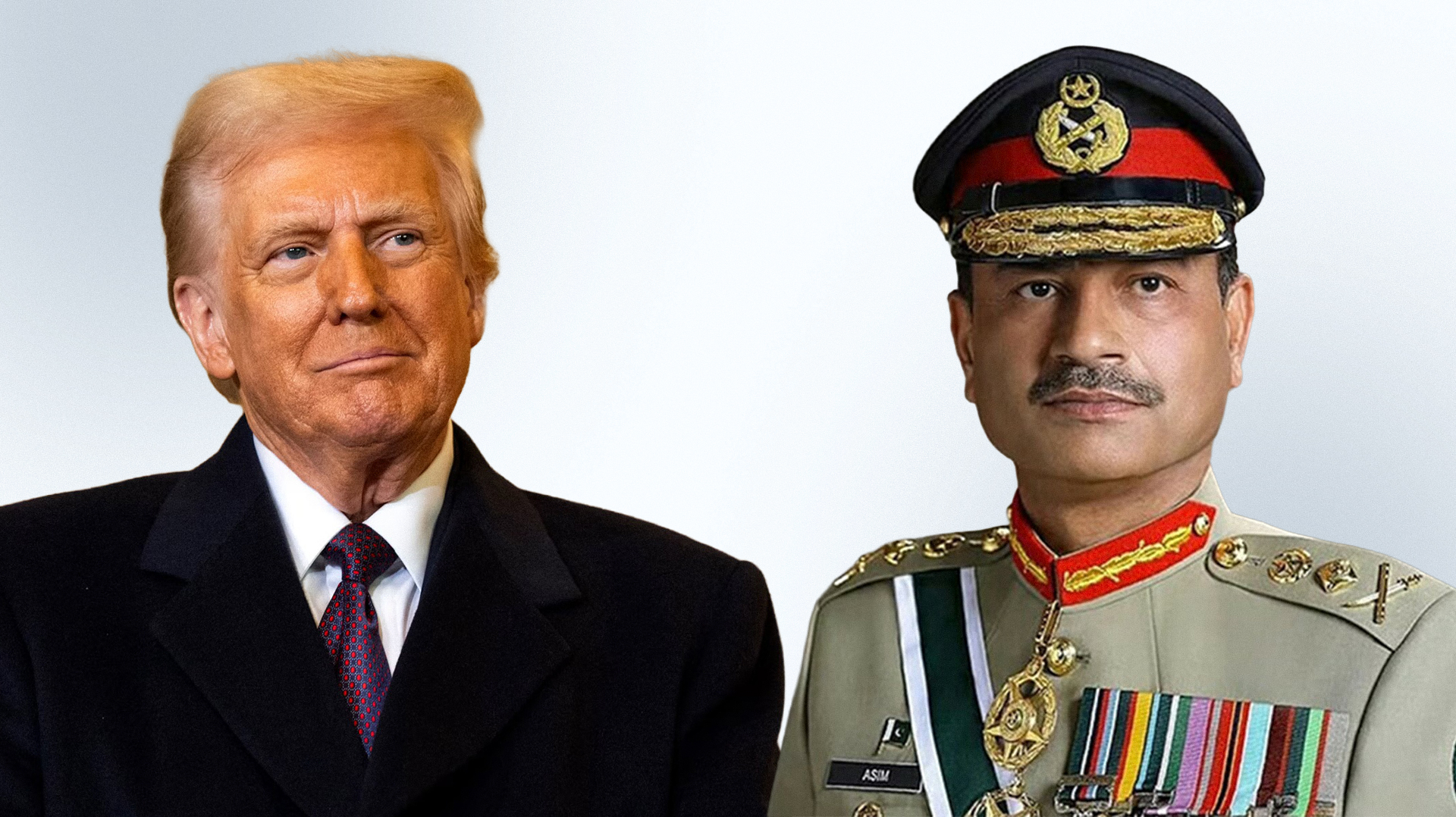
ERBIL (Kurdistan24) — U.S. President Donald Trump spoke last week with Pakistan’s powerful army chief, Field Marshal Asim Munir, ahead of his visit to Tehran as Islamabad seeks to mediate an end to the nearly six-month-old war between the United States and Iran, according to sources familiar with the matter.
The call, which has not been publicly acknowledged by the White House, came as Munir traveled to Tehran on Monday with a Pakistani delegation as part of Islamabad’s efforts to promote regional peace and revive stalled negotiations.
A U.S. source told AFP that Trump and Munir spoke last week but provided no further details about the conversation. Reuters, citing Pakistani sources, reported that Washington had asked Islamabad to use its influence to encourage Iran to return to negotiations.
Pakistan’s government said Munir was leading the delegation to Tehran as part of its “ongoing efforts to help consolidate peace and security in the region.”
The visit comes despite Trump saying last week that U.S. talks with Iran were on hold for the time being. Munir’s trip marks another attempt by Pakistan to break the diplomatic deadlock, with Pakistani sources saying new proposals are being discussed to revive direct U.S.-Iran talks and address the status of the Strait of Hormuz.
Pakistan has emerged as a key mediator between Washington and Tehran during the conflict. Islamabad helped broker a memorandum of understanding in June aimed at halting hostilities, but the arrangement subsequently broke down.
The latest diplomatic effort comes as Washington prepares to intensify economic pressure on Tehran. The United States is expected to broaden sanctions against Iran’s trading partners and businesses that maintain economic ties with the country, potentially putting pressure on neighboring Pakistan, which maintains significant trade links with Iran.
The timing also highlights the difficult position facing Islamabad: it is seeking to maintain relations with both Washington and Tehran while preventing the conflict from further destabilizing the region and threatening Pakistan’s economic and security interests.
Munir’s latest mission therefore places Pakistan at the center of renewed efforts to reopen a diplomatic channel between the United States and Iran as the conflict approaches its six-month mark.