Libya Signs Oil Exploration Deal With Chevron as Rival Governments Vie for Power
NOC says agreement with US energy giant will help develop resources and raise production as Tripoli seeks to attract investment despite the country’s political and security divisions
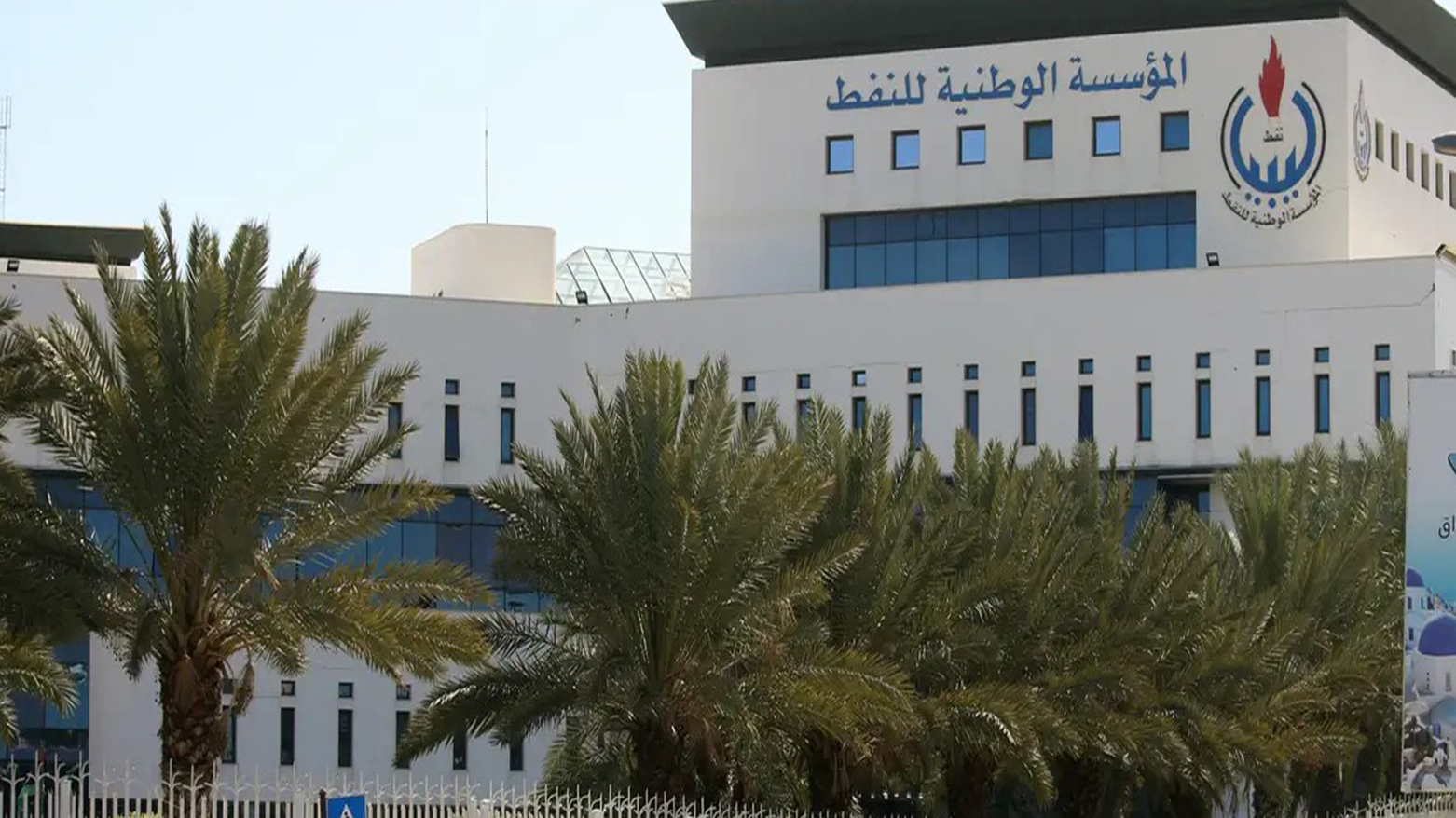
ERBIL (Kurdistan24) — Libya’s state-owned National Oil Corporation (NOC) announced Monday that it had reached a production-sharing agreement with US energy giant Chevron as part of an international tender aimed at expanding exploration and development of the country’s oil resources.
The agreement will “support the exploration and development of Libya’s resources” and enable the NOC to benefit from Chevron’s technical expertise and advanced technology, the company said.
Chevron confirmed the agreement, which covers an area in Libya’s Sirte Basin, saying it “looks forward to working with NOC and other key stakeholders in Libya.”
The block was awarded to Chevron in February as part of an international tender launched by Libya in 2025 as authorities seek to attract major international energy companies and increase oil output.
Libya relies heavily on oil exports for government revenues, making the expansion and protection of the energy sector a central priority for the country’s authorities.
The NOC said the agreement would contribute to increasing production and “support the national economy.”
Libya currently produces around 1.5 million barrels per day and has set a target of increasing output to two million barrels per day.
The country holds Africa’s largest proven crude oil reserves, but its oil industry has repeatedly been disrupted by political disputes, armed conflict, blockades, and competition between rival authorities since the 2011 uprising that toppled longtime leader Muammar Gaddafi.
Political and security divisions
Libya remains politically divided between competing centers of power, with two rival governments claiming legitimacy.
The internationally recognized administration is based in Tripoli in western Libya, while a rival administration in the east is aligned with military commander Khalifa Haftar and the Libyan National Army (LNA), which controls much of eastern and southern Libya.
Haftar’s forces have substantial military and territorial influence and have established close ties with political institutions based in eastern Libya.
The rival power structure has also benefited from support from foreign actors, while successive UN-led efforts have sought to establish a unified government and pave the way for nationwide elections.
The political division has created persistent security risks for Libya’s energy sector. Oil fields, export terminals and pipelines have previously been caught up in disputes between rival factions, with armed groups and political actors using blockades and production disruptions as leverage in negotiations over state revenues and political authority.
The most serious challenge to the Tripoli-based authorities came in 2019, when Haftar’s forces launched an offensive to seize the capital. The campaign ended after a Turkish military intervention on behalf of the Tripoli-based government helped repel the offensive in 2020, leading to a UN-backed ceasefire.
Although large-scale fighting has subsided, Libya has failed to achieve lasting political reunification. Rival armed groups remain influential, and disputes over the distribution of oil revenues, control of state institutions and the appointment of senior officials continue to fuel tensions.
Against that backdrop, the Chevron agreement represents both an economic opportunity and a test of Libya’s ability to provide a stable environment for international energy investment.
The Sirte Basin, where Chevron was awarded the exploration block, is one of Libya’s most important hydrocarbon regions.
Increased foreign investment and the deployment of advanced exploration technology could help the country identify additional reserves and expand production, provided the political and security environment remains sufficiently stable.
For Libya’s divided authorities, maintaining uninterrupted oil production is critical not only to economic recovery but also to preserving access to the revenues that underpin the state and remain at the heart of the country’s political struggle.