KRG to Declare New Protected Areas in Erbil Governorate
Erbil plans new protected areas as the KRG expands wildlife protection, hunting controls and international conservation efforts across the Kurdistan Region.
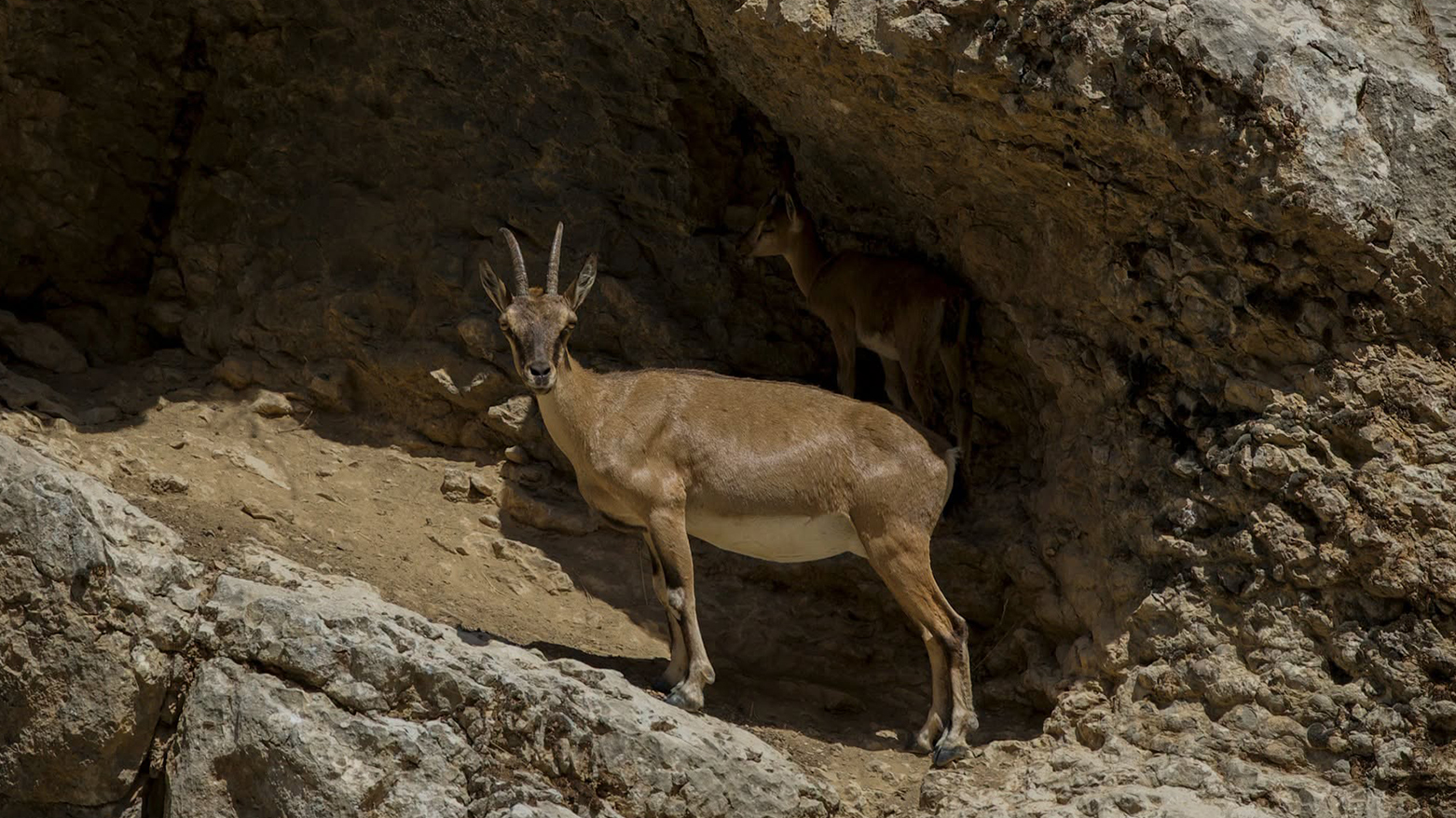
ERBIL (Kurdistan24) - Erbil authorities are preparing to declare several new protected natural areas as part of a broader Kurdistan Regional Government strategy that combines stricter hunting controls, wildlife monitoring, international conservation standards and a longer regional tradition of protecting the natural environment.
Dilshad Hirani, director of Erbil's Environment Directorate, told Kurdistan24 that environmental awareness has increased markedly across the governorate in recent years, accompanied by a significant decline in hunting and a recovery in populations of several wild species.
He said attitudes toward animals and birds have changed, with residents increasingly protecting wildlife rather than hunting it and, in some areas, providing food during harsh winter conditions.
Hirani said environmental protection and forestry forces were maintaining continuous monitoring of natural areas and that enforcement against illegal hunting had been strengthened.
The changes are producing visible results, according to the director.
Several species once considered under serious pressure have reappeared or increased in number, he said, pointing particularly to gazelles in areas such as Zurgazraw and the Erbil Plain.
Hirani said the KRG's Ninth Cabinet had made environmental protection and hunting regulation a policy priority and that several additional protected areas would soon be announced.
The new designations would expand a conservation network that already includes areas such as Barzan and Balakayati, landscapes known for wildlife, birds and rare plant species.
From local protection to a regional system
The planned Erbil reserves form part of a much larger conservation effort taking shape across the Kurdistan Region.
Earlier this month, Kurdistan24 reported that regional authorities were moving to register 45 natural protected areas with the International Union for Conservation of Nature, potentially placing more than 30 percent of the Kurdistan Region's territory under protected status.
According to figures from the Kurdistan Region Environmental Board, 45 of Iraq's 82 officially identified natural protected areas are located within the Region.
The proposed IUCN registration is intended to strengthen legal and institutional safeguards while connecting domestic conservation policy with international expertise and standards.
The initiative includes mountain ecosystems, forests, river valleys and habitats important to rare and migratory species.
Among the most prominent examples are the Barzan protected area and Halgurd-Sakran National Park, where conservation authorities are seeking to protect wildlife while confronting pressures including drought, deforestation and environmental degradation.
Kurdistan's accession to the IUCN framework in 2025 created another institutional channel for cooperation on biodiversity, climate resilience and sustainable management of natural resources.
The KRG has also tightened controls on the movement of exotic wildlife and plants.
In May, the Environmental Board said CITES certification had become mandatory for exotic animal, reptile and plant imports, with proposed imports reviewed in coordination with federal authorities.
The system is intended both to prevent illegal trade in endangered species and to reduce the danger of invasive organisms or foreign pathogens entering the Kurdistan Region's ecosystems.
Taken together, the measures show an environmental policy extending beyond the designation of individual parks. It increasingly involves wildlife trade, hunting, habitat protection, enforcement, international registration and biodiversity monitoring.
Wildlife recovery becomes visible
Hirani's account from Erbil suggests that some of those efforts are beginning to be reflected in wildlife observations.
Gazelles are increasing in parts of the governorate, while other animal and bird species have returned to areas where their numbers had previously declined, he said.
The recovery comes alongside other recent signs of biodiversity across the Region.
In April, wildlife photographer Sabr Dri documented what experts confirmed as the first recorded sighting of a Shikra in the Kurdistan Region, adding the small raptor to the Region's documented bird inventory.
The sighting was verified through specialist consultation before being submitted for inclusion in wider ecological records.
The same period brought unusually visible migratory bird activity around Darbandi Ranya and Dukan Lake, where greater flamingos appeared in significant numbers after abundant rainfall replenished water sources and created favorable stopover habitat.
Such individual sightings do not by themselves establish broad ecological recovery, but they add to the body of information available to environmental authorities as they monitor species distribution and habitat conditions.
The Kurdistan Region's geography gives those conservation efforts particular importance.
Its Zagros landscapes contain oak forests, high mountain habitats, rivers and wetlands used by resident and migratory species. Previous Environmental Board reporting has said the Region supports more than 2,000 plant species and serves as an important corridor for hundreds of bird species.
The policy challenge is preserving that biodiversity while tourism, urban expansion, climate change and economic development place increasing pressure on natural landscapes.
An older philosophy of stewardship
The KRG's current environmental institutions also sit alongside a much older culture of conservation in parts of Kurdistan.
Barzan is perhaps the clearest example.
Kurdistan24 has previously documented a local environmental tradition associated with Sheikh Ahmed Barzani, who in the early 20th century imposed rules restricting the cutting of living trees, regulating hunting and prohibiting destructive practices such as poisoning or dynamiting waterways.
Those rules emerged long before modern environmental agencies or international conservation conventions.
In Barzan and neighboring areas, they developed into social norms in which cutting healthy trees or unnecessarily killing wildlife came to be regarded not simply as a regulatory violation but as behavior contrary to community values.
That tradition remains important because it demonstrates that environmental protection in the Kurdistan Region is not exclusively a recent government program.
Modern policy has increasingly institutionalized principles that have long existed in parts of Kurdish society: that forests, wildlife, water and mountain landscapes are resources to be protected across generations rather than exhausted for immediate gain.
The Barzan protected area today combines that community inheritance with formal environmental enforcement.
Local accounts documented by Kurdistan24 describe residents protecting wild animals that enter orchards or inhabited areas rather than automatically treating them as threats.
Such practices do not replace government regulation, but they can make conservation more effective by embedding it within local behavior.
Conservation enters next phase
The Ninth Cabinet has sought to turn that environmental ethos into a broader regional policy.
Hirani said dozens of directives and decisions have been issued against environmental violations, alongside intensified monitoring and greater regulation of hunting.
The proposed new protected areas in Erbil represent the next practical stage.
Their significance will ultimately depend on enforcement: whether habitats remain protected from illegal hunting, deforestation and damaging development, and whether wildlife populations are systematically monitored rather than merely declared protected on paper.
International registration of the Region's wider network of 45 sites could add technical expertise and greater visibility, while domestic initiatives such as CITES controls address threats that protected boundaries alone cannot solve.
The KRG has also increasingly linked conservation to sustainable tourism, arguing that Kurdistan's mountains, forests and wildlife can support economic diversification only if the landscapes themselves are preserved.
That creates a balance authorities will have to maintain as tourism investment expands.
For now, Hirani's report of declining hunting and growing gazelle populations offers one indication of what stronger protection can achieve.
The planned Erbil reserves therefore fit into a wider transformation in how the Kurdistan Region approaches its natural heritage, combining modern environmental institutions and international standards with a philosophy of stewardship that, in places such as Barzan, has been embedded in local culture for generations.