COP31 Ends in Failure as Nations Clash over Fossil Fuels
UN climate summit in Turkey concludes after record overtime without agreement on fossil fuels, exposing deep divisions over climate action
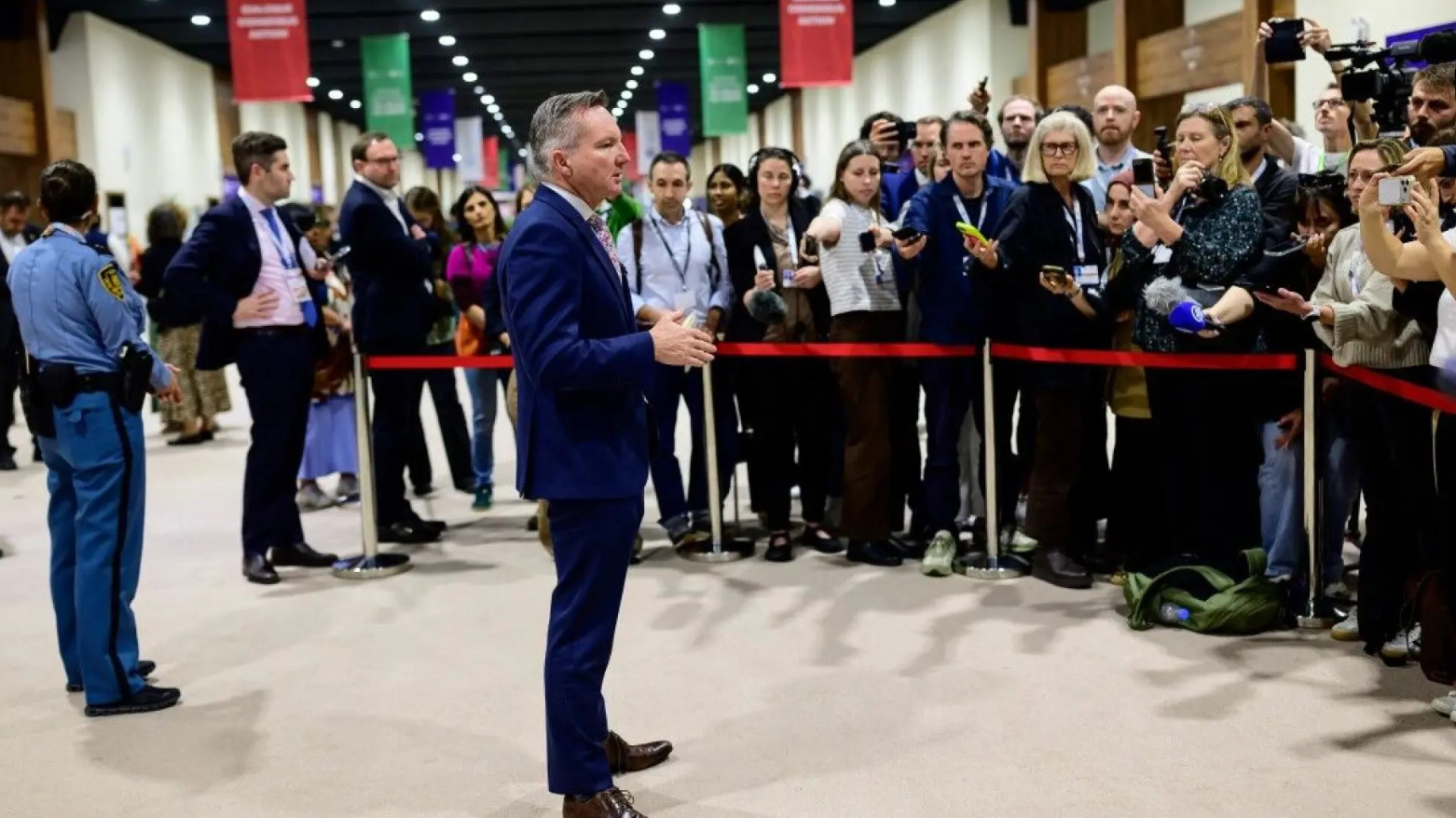
ERBIL (Kurdistan24) — Climate advocates expressed anger and disappointment on Monday after the COP31 climate summit in Turkey ended in failure, with nearly 200 nations unable to reach a consensus on a final agreement following contentious negotiations over fossil fuels.
The summit's final agreement collapsed on Sunday in a chaotic conclusion after the talks extended more than 49 hours beyond their scheduled closing time, making COP31 the longest UN climate conference on record and highlighting growing divisions in international climate diplomacy.
UN Secretary-General Antonio Guterres, who had urged countries during the summit to send fossil fuels "the way of the dinosaurs," expressed deep frustration over the outcome.
"I share the very profound frustration of all those who expected governments to rise to the moment the climate crisis demands," Guterres said in a statement.
COP31 negotiations chair Chris Bowen, Australia's climate minister, acknowledged that efforts to broker a consensus among participating nations had failed, citing what he described as "unbridgeable red lines."
"Unfortunately, we were unable to reach agreement on a cover decision... And that's disappointing. Very disappointing," Bowen told reporters.
COP31 President and Turkish Environment Minister Murat Kurum formally closed the summit after the marathon negotiations, which exposed deep disagreements over the future of fossil fuels, climate financing and the pace of the global energy transition.
Fossil Fuels at the Center of the Dispute
Bowen described the geopolitical environment surrounding the summit as "the most complicated and fraught geopolitical environment in living memory," as soaring energy prices and the fallout from the Middle East war complicated efforts to secure international cooperation.
Australian Prime Minister Anthony Albanese, whose country co-hosted the summit with Türkiye, also attributed the failure to "difficult geopolitical times."
Negotiators had sought an overarching "cover decision" to demonstrate that countries remained committed to addressing climate change despite mounting geopolitical tensions. However, disagreements over fossil fuels derailed the initiative, with the European Union and Saudi Arabia clashing over the pace of the transition away from coal, oil and gas.
Oil-producing countries opposed including language on phasing out fossil fuels in the final agreement, prompting objections from several nations.
"We will not endorse a cover decision... that does not even mention fossil fuels, which is the key driver of climate change," said Ireland's climate minister, Darragh O'Brien, whose country holds the rotating EU presidency.
"And we will not accept a COP that greenwashes fossil fuel."
Panama, Vanuatu and the Marshall Islands also opposed the proposed agreement, arguing that it failed to address the central drivers of global warming.
Former US Vice President and prominent climate advocate Al Gore condemned the outcome, saying it was "outrageous that a handful of petrostates have veto power over any mention of fossil fuels."
Gore called for significant reforms to the COP process, arguing that most countries had sought to advance climate action in good faith.
Calls for Reform and Climate Action Beyond COP
The failure of COP31 revived comparisons with the 2009 Copenhagen climate summit, which also ended without the ambitious agreement many countries had sought, raising renewed questions about the effectiveness of the UN-led climate negotiation process.
"It certainly fell short today," said UN climate chief Simon Stiell.
"The world cannot afford a repeat."
Frustrated by the slow pace of negotiations, countries have increasingly pursued climate initiatives outside the annual COP framework.
Around 60 countries participated in a first-of-its-kind conference in April focused on phasing out fossil fuels, while several nations at COP31 announced their own plans to move away from coal, oil and gas.
In a last-ditch effort to secure an agreement, Türkiye and Australia sought to rally support for a global goal to electrify the world economy, arguing that electrification could reduce greenhouse gas emissions while strengthening energy security.
However, the proposed target was ultimately abandoned alongside the broader Antalya Pact.
The final text also faced criticism for retaining a reference to expanding carbon capture technology, which critics argue could allow fossil fuel producers to continue operating while delaying the transition to cleaner energy sources.
"We believe that climate change requires all solutions on the table," said Mohammad Ayoub, a climate negotiator for Saudi Arabia.
Paris Agreement Goals Under Pressure
The collapse of the negotiations raised concerns over efforts to reinforce the Paris Agreement's goal of limiting global warming to 1.5 degrees Celsius above pre-industrial levels, a threshold scientists warn the world is likely to exceed in the coming years without substantially faster emissions reductions.
The summit also exposed divisions over the role of climate science, with disagreements surrounding the work of the Intergovernmental Panel on Climate Change (IPCC) spilling into negotiations.
"We are profoundly disappointed by the substance of the cover decision," said UK climate negotiator Kate Hughes.
"It moves us backwards on the science... It is a lowest common denominator where it should have been, instead, presenting bold collective ambition on climate action."
The negotiations once again highlighted the divide between major polluters and developing countries, many of which face the most severe consequences of climate change despite contributing comparatively little to global emissions.
Developing nations pushed for a $120 billion climate financing target, but the proposal was ultimately excluded from the failed agreement.
The outcome leaves countries facing mounting pressure to deliver stronger climate commitments as extreme weather events intensify and the window to limit global warming continues to narrow.