US to Brief NATO Allies on European Force Posture Review Amid Withdrawal Fears
US War Secretary Pete Hegseth announced the review amid growing frustration in Washington over European governments’ response to the war with Iran
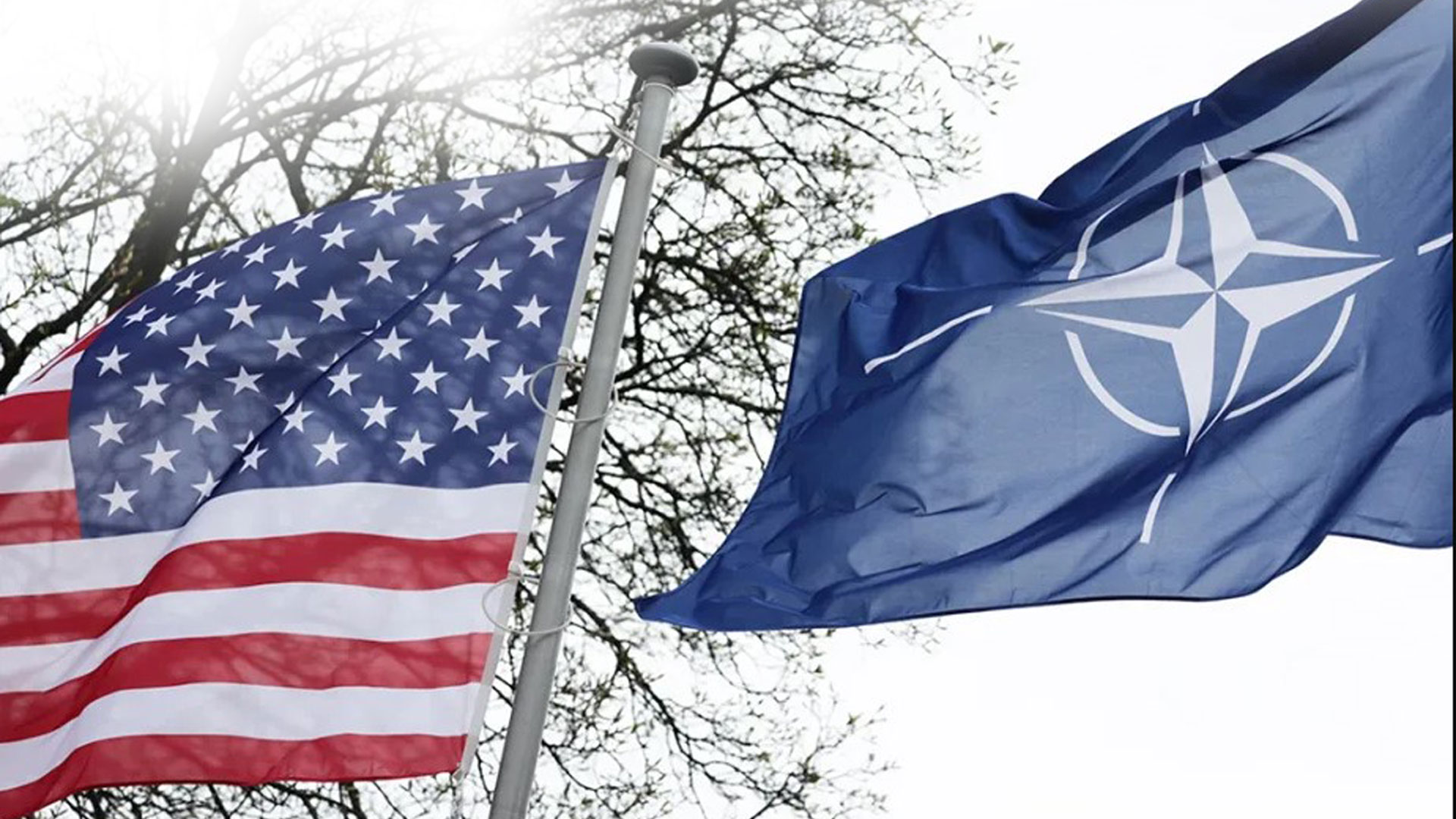
ERBIL (Kurdistan24) — A senior US defense official is set to brief NATO allies Thursday on Washington’s review of its military force posture in Europe, as concerns grow among European governments that the United States could reduce its military presence on the continent.
US Under Secretary of Defense for Policy Elbridge Colby will meet ambassadors from NATO’s 32 member states at the alliance’s headquarters in Brussels, according to officials.
“The United States is consulting with allies as part of its force posture review,” a NATO official said Wednesday.
Washington launched the six-month review in July as President Donald Trump’s administration pushes European allies to assume a greater share of responsibility for the conventional defense of their continent.
US War Secretary Pete Hegseth announced the review amid growing frustration in Washington over European governments’ response to the war with Iran, including restrictions imposed on US forces using European military bases at the beginning of the conflict.
European diplomats said Washington is also assessing individual allies’ defense spending and their policies governing the use of their military facilities by US forces.
One European diplomat said NATO members need to present a unified message during Thursday’s discussions to demonstrate that Europe is collectively increasing its defense capabilities.
“We need to send a united European message on Thursday to show how we are stepping up together as a whole,” the diplomat said. “It is not a beauty contest.”
US seeks greater European burden-sharing
Trump’s administration has repeatedly demanded that European allies increase defense spending, arguing that the United States has carried too much of the burden for NATO’s security for decades.
The push comes as Washington increasingly seeks to redirect military and strategic resources toward other priorities, particularly the growing challenge posed by China in the Indo-Pacific.
The Pentagon has already informed NATO allies that it is reducing the number of military assets it makes available for the alliance’s defense plans, raising further questions about the future scale of the US commitment to European security.
Washington also announced in May that it would withdraw about 5,000 troops from Germany. Trump later said, however, that the United States would send an equivalent number of troops to neighboring Poland, potentially shifting part of the US military footprint eastward rather than simply reducing it.
Europe accelerates defense spending
European NATO members have responded to pressure from Washington by significantly increasing military budgets.
In 2025, NATO allies agreed to a new defense-spending target requiring members to devote five percent of their gross domestic product to security-related spending by 2035.
The target represents a major increase from the alliance’s previous benchmark of two percent of GDP for defense and reflects a broader European reassessment of security priorities following years of war and instability.
The US force posture review is therefore being closely watched in European capitals, where governments are attempting to strengthen their own military capabilities while ensuring that any adjustment to Washington’s presence does not undermine NATO’s deterrence posture.
Thursday’s meeting in Brussels is expected to provide allies with further insight into how the Trump administration intends to balance its demand for greater European burden-sharing with its longstanding commitment to NATO’s collective defense.