'America Will Not Achieve Anything With Economic Pressure,' Pezeshkian Says
Tehran claims to have restored war-damaged military capabilities as Washington expands sanctions and the Strait of Hormuz remains largely closed
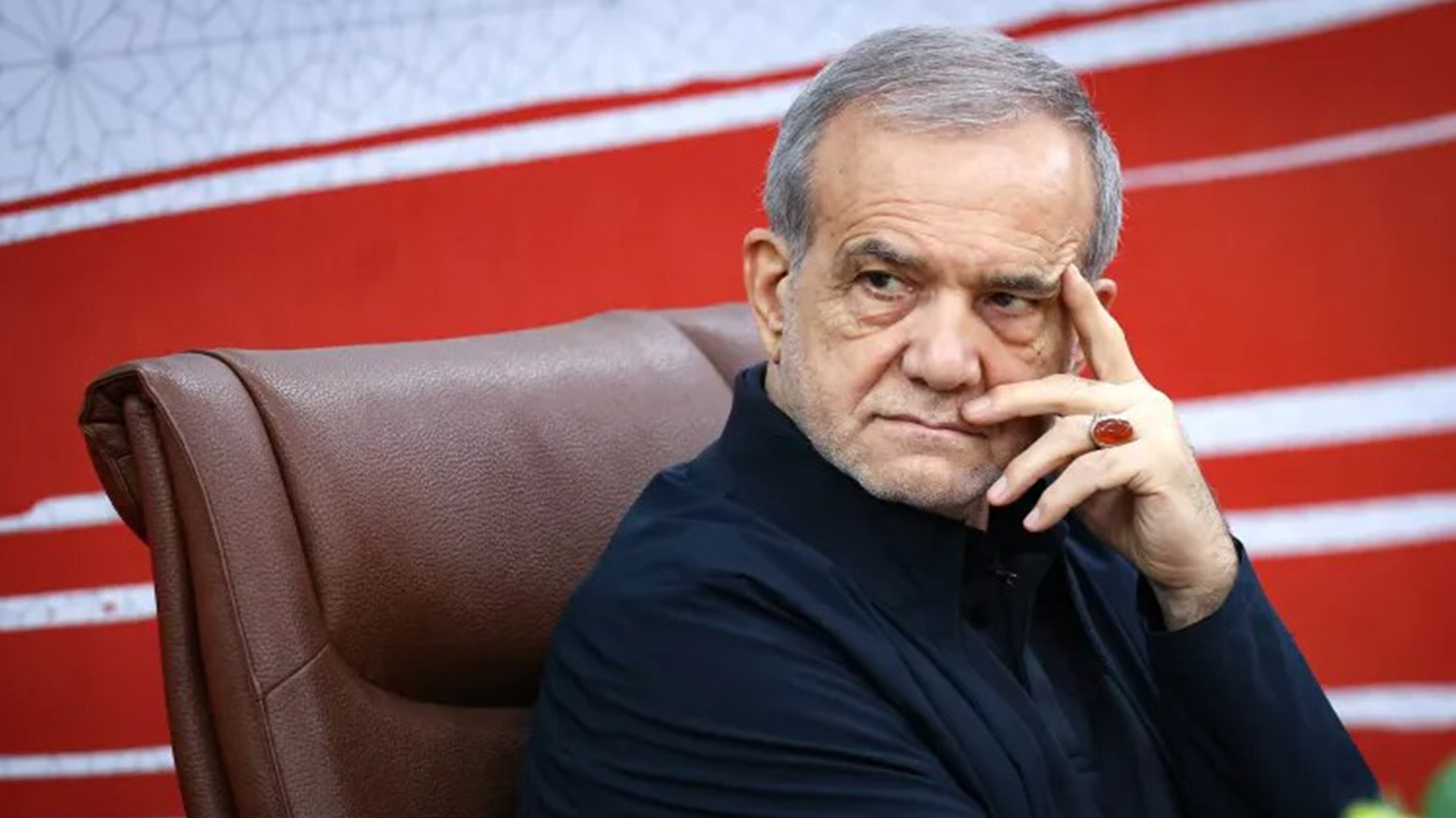
ERBIL (Kurdistan24) — Iranian President Masoud Pezeshkian late Wednesday rejected a new US sanctions campaign aimed at crippling Iran’s economy, insisting Washington would achieve nothing through economic pressure as the two countries remain locked in a prolonged confrontation over the strategically vital Strait of Hormuz.
“America will not achieve anything with economic pressure at this stage, just as it was unable to achieve anything in the war,” Pezeshkian said, according to Iran’s ISNA news agency.
“We will stand firm against economic pressures, as we have done so far and will continue to do.”
The remarks came after Washington announced expanded sanctions targeting Iran’s digital assets and technology, gold, aviation and shipping sectors, while warning other countries against helping Tehran evade the new measures.
US Treasury Secretary Scott Bessent said Monday that the United States had “dismantled Iran’s military capabilities, destroyed nearly 100 percent of its military factories, and buried its nuclear program.”
Iran, however, has rejected US claims of having crippled its military.
Iranian army spokesperson Mohammad Akraminia told state television Wednesday that the country had restored combat capabilities damaged during the war, saying all affected weapons systems had been rebuilt and new military equipment had been imported from abroad.
'Not in a hurry'
The US and Israel launched their war against Iran in late February, saying they sought to prevent Tehran from developing nuclear weapons and threatening to topple Iran’s government.
Iran, which has long denied seeking a nuclear bomb, responded with waves of missiles and drones targeting US allies across the Gulf and shut the Strait of Hormuz, one of the world’s most important energy corridors.
The closure has disrupted global energy markets, sharply reduced maritime traffic and pushed up oil prices, adding economic and political pressure on the Trump administration ahead of US midterm elections in November.
After repeatedly suggesting that a diplomatic agreement with Tehran was within reach, US President Donald Trump has increasingly shifted toward economic pressure while maintaining Washington’s naval blockade of Iran.
Asked by Al Jazeera on Wednesday how much time he was giving Iran to negotiate, Trump said he had no timetable.
“I have no time schedule, none. I’m not in a hurry. I have no time schedule at all,” Trump said.
Israeli Prime Minister Benjamin Netanyahu, however, dismissed the prospect of a diplomatic breakthrough.
“I tell you — an agreement cannot be reached,” Netanyahu said Tuesday, referring to Iran’s leadership in highly critical terms.
Hormuz at center of confrontation
The Strait of Hormuz has increasingly become the focal point of the confrontation.
Iran has said it will not reopen the waterway until Washington meets its demands and has repeatedly targeted or challenged vessels attempting to pass through the strait.
Tehran has also signaled that it wants to impose fees on vessels using the waterway, a proposal strongly opposed by the United States and other countries in the region.
Trump has claimed that the US Navy has “total control” of the Strait of Hormuz and has even described the waterway as US territory. Despite those claims, maritime traffic remains far below pre-war levels.
Oman, which shares control of the waterway with Iran, has been working with Tehran on a temporary transit corridor aimed at allowing commercial shipping to resume.
Iran’s Islamic Revolutionary Guard Corps said Wednesday that discussions with Oman included an agreement to share revenues generated from managing the strait, while accusing Washington of obstructing efforts to finalize the arrangement.
Omani Foreign Minister Badr Albusaidi said Tuesday that he hoped Oman and Iran would “soon announce” the temporary corridor.
Iranian Deputy Foreign Minister Kazem Gharibabadi said in an interview with local media that, if the temporary arrangement is approved, Iran and Oman would have between 30 and 60 days to negotiate a permanent route.
He said the Revolutionary Guards were participating in the negotiations and that the maps being discussed had been prepared by Iran’s armed forces.
The dispute over Hormuz has therefore emerged as both an economic and strategic pressure point, with Iran using its control over the waterway as leverage while Washington seeks to maintain maritime pressure and intensify sanctions without returning to a broader military campaign.