Khatam al-Anbiya Official Calls for Nuclear Deterrent Against Israel
An Iranian military spokesman said Iran needs nuclear weapons to deter Israel, marking an unusually explicit escalation in Tehran's nuclear rhetoric.
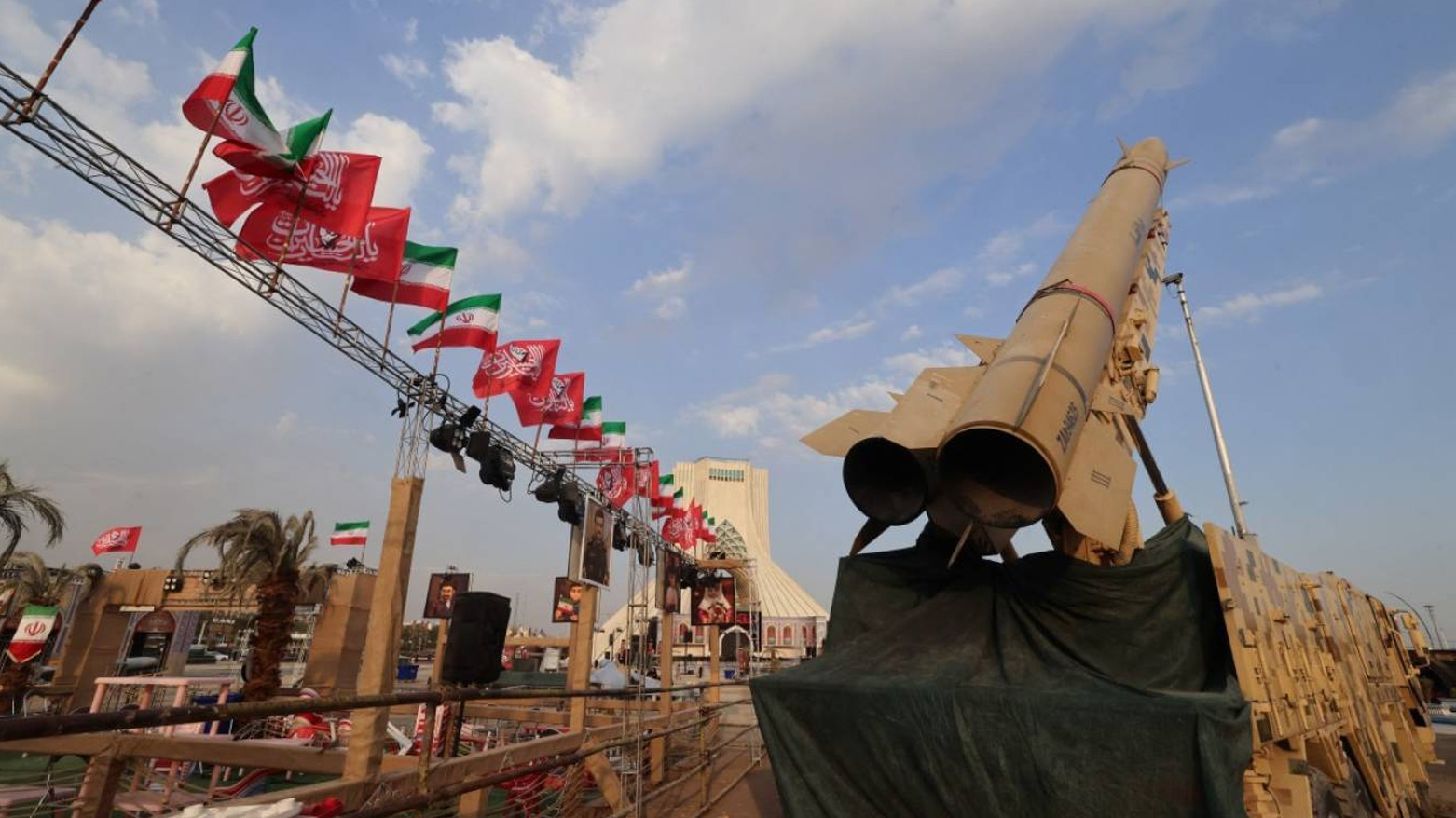
ERBIL (Kurdistan24) - A spokesman for Iran's Khatam al-Anbiya Central Headquarters has made an unusually explicit public call for Iran to possess nuclear weapons, arguing they are necessary to deter Israel as the six-month-old regional war continues to reshape Tehran's military and political leadership.
Ebrahim Zolfaghari, spokesman for the military command body affiliated with Iran's armed forces, addressed Israeli Prime Minister Benjamin Netanyahu directly in a post on X.
"You have already devastated Gaza, Palestine and Lebanon, and now you are looking to destroy Iran," Zolfaghari wrote. "So we need nuclear weapons to stop your madness."
"Iran's message is clear: nuclear capability is being framed as a deterrent against further aggression," the statement concluded.
The statement goes further than Iran's longstanding public insistence that its nuclear program is intended for peaceful purposes. It was not immediately accompanied, however, by an announcement from Iran's government or supreme leadership formally changing the country's nuclear policy.
The distinction is significant because comments by individual military officials do not in themselves establish a new state doctrine.
Zolfaghari's remarks followed warnings from Netanyahu that Israel would act to prevent Tehran from obtaining a nuclear weapon.
"Iran's acquisition of nuclear weapons would mean the end of Israel and the Jewish people," Netanyahu said, adding that Israel would not wait for authorization from others before taking measures it considered necessary for its survival.
Hardening rhetoric after six months of war
The exchange comes as Iran's leadership takes an increasingly confrontational posture six months into its war with the United States and Israel.
Associated Press journalists Lee Keath and David Rising reported Saturday that Iran's postwar leadership has consolidated around veteran military commanders and hard-line clerics who appear prepared for a prolonged confrontation with Washington.
Much of Iran's former senior leadership was killed during the U.S.-Israeli bombing campaign that began on Feb. 28, according to AP.
The new supreme leader, Ayatollah Mojtaba Khamenei, has since appointed experienced hard-line figures to several of the country's most important military and security posts.
Among them is Mohsen Rezaei, the new secretary of Iran's Supreme National Security Council and a former longtime commander of the Islamic Revolutionary Guard Corps.
Rezaei separately intensified the rhetoric toward Netanyahu in a televised interview, saying the Israeli prime minister's "grave mistakes" had accelerated what he described as Israel's eventual demise.
AP's Keath and Rising reported that Rezaei has also threatened a major response if U.S. military or economic pressure intensifies, while simultaneously leaving open the possibility of diplomacy if Washington changes course.
Nuclear question takes on greater significance
Zolfaghari's comments come at a particularly sensitive moment because Iran's nuclear program was among the central issues behind the war.
Washington and Israel have sought to prevent Iran from developing a nuclear weapon, while Tehran has historically denied pursuing one.
The latest statement therefore raises questions about whether growing sections of Iran's military establishment increasingly see an atomic deterrent as necessary after months of direct conflict with two nuclear-armed adversaries.
No evidence in the statements provided indicates that Iran has formally decided to build a nuclear weapon.
Iranian President Masoud Pezeshkian has meanwhile continued to advocate negotiations, reflecting divisions within Tehran over whether continued confrontation or diplomacy offers the better path forward.
International efforts are also continuing to prevent further escalation, even as fighting, economic pressure and disputes over the Strait of Hormuz complicate prospects for a lasting settlement.
For now, Zolfaghari's statement represents a significant escalation in rhetoric rather than a confirmed policy shift.
But by openly linking nuclear weapons to deterrence against Israel, a spokesman for a major Iranian military command has brought a previously more implicit question into the center of Iran's wartime debate.