Washington Calls on Hezbollah: Stop Taking Orders From Iran
State Department says it is time for Hezbollah to do what is best for Lebanon, as Hezbollah's secretary-general vows the group will never surrender and rejects the US-mediated framework agreement
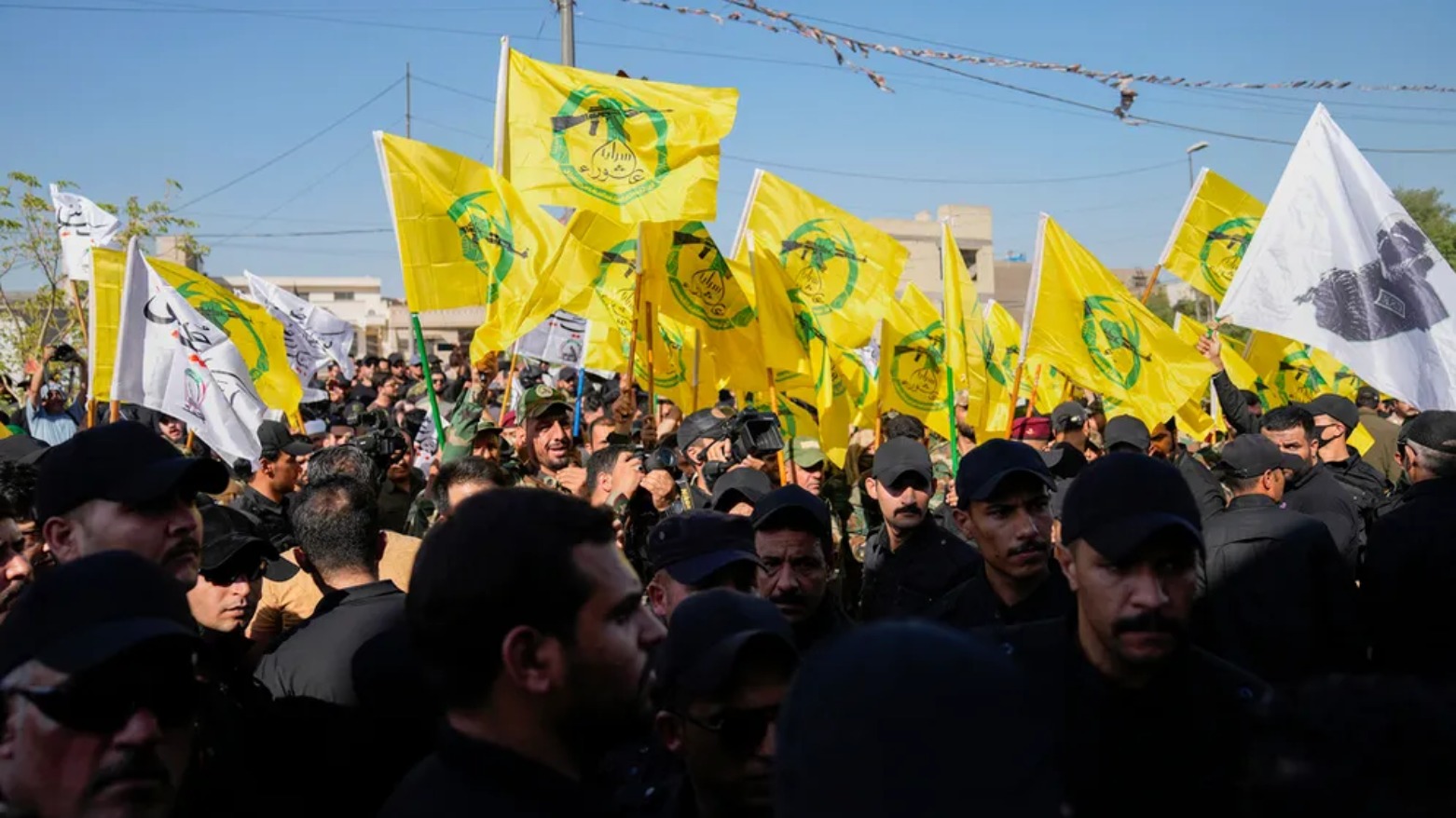
ERBIL (Kurdistan 24) - The United States State Department issued a direct public call on Saturday for Hezbollah to surrender its weapons to the Lebanese state and stop taking orders from Iran, saying it is time for the group to do what is best for Lebanon and the Lebanese people, one day after Hezbollah Secretary-General Naim Qassem vowed the group would never disarm and rejected the US-mediated framework agreement with Israel.
"It is time for Hezbollah to do what is best for Lebanon and the Lebanese people," a State Department spokesperson said in a post on X on Saturday, calling on Hezbollah to surrender its weapons to the Lebanese state and accusing the group of refusing to engage with the Lebanese government, the United States, or Israel because it is "taking orders from Iran."
In response to a media inquiry from @ThisIsBeirut_ , a U.S. Department of State spokesperson said:
— U.S. Embassy Beirut (@usembassybeirut) August 29, 2026
The Trilateral Framework clearly states that the Lebanese Government is the sole legitimate interlocutor for discussions about the future of Lebanon and on behalf of the Lebanese…
"The United States stands with the Lebanese people and wants Lebanon to be a safe and sovereign country," the spokesperson said, adding that achieving that goal requires Hezbollah's disarmament. The spokesperson also affirmed that the trilateral framework involving the United States, Lebanon, and Israel recognizes the Lebanese government as the sole legitimate authority empowered to discuss the country's future and represent its people.
Washington offered Hezbollah a concrete pathway. If the group agrees to disarm, it can notify the Lebanese government, with which the United States is already in active talks, potentially opening the way for efforts to bridge the parties' differences and move toward a broader settlement.
The State Department's call came one day after Hezbollah Secretary-General Naim Qassem delivered a televised address on Friday night in which he reiterated his rejection of the framework agreement between Lebanon and Israel and vowed that the Iran-backed group would not surrender. "We oppose the framework agreement and call for its downfall," Qassem said.
The framework agreement, reached on June 26, 2026, after five rounds of US-mediated negotiations, reportedly calls for Hezbollah's disarmament, Israel's gradual withdrawal from areas it occupies in southern Lebanon, and the phased deployment of the Lebanese army beginning in designated pilot areas. The agreement represents Washington's most ambitious attempt yet to separate Hezbollah from its Iranian patron and reintegrate Lebanon's security architecture under state authority, mirroring the parallel disarmament effort underway in Iraq where Prime Minister Ali al-Zaidi faces a September 30 deadline to place all militia weapons under state control.
Hezbollah's refusal to engage with the framework reflects the same structural challenge that Baghdad faces with Iran-aligned factions on the disarmament file. As US Special Presidential Envoy Tom Barrack disclosed in August 2026, Hezbollah receives approximately $90 million per month in Iranian financial support, with a Hezbollah fighter earning $2,400 per month compared to a Lebanese army soldier's $300, making state disarmament of the group extraordinarily difficult to achieve through persuasion alone.
The State Department's accusation that Hezbollah is "taking orders from Iran" rather than acting in Lebanon's interest is a direct attempt to drive a wedge between Hezbollah's Lebanese political identity and its operational subordination to the IRGC, a distinction that Washington has increasingly emphasized as it pursues the broader goal of severing Iranian influence over its regional proxy network under Operation Economic Outcast.