Thousands of PKK Fighters to Join Iraqi Army as Disarmament Process Takes Shape Under Turkish Intelligence Oversight
Turkey's Hurriyet reveals a joint Ankara-Baghdad-Erbil-Sulaimani framework supervised by MIT, with 7,000 to 8,000 fighters returning to Turkey by November, 2,200 integrating into Iraq's armed forces, and 8,000 Makhmour civilians repatriated simultaneously
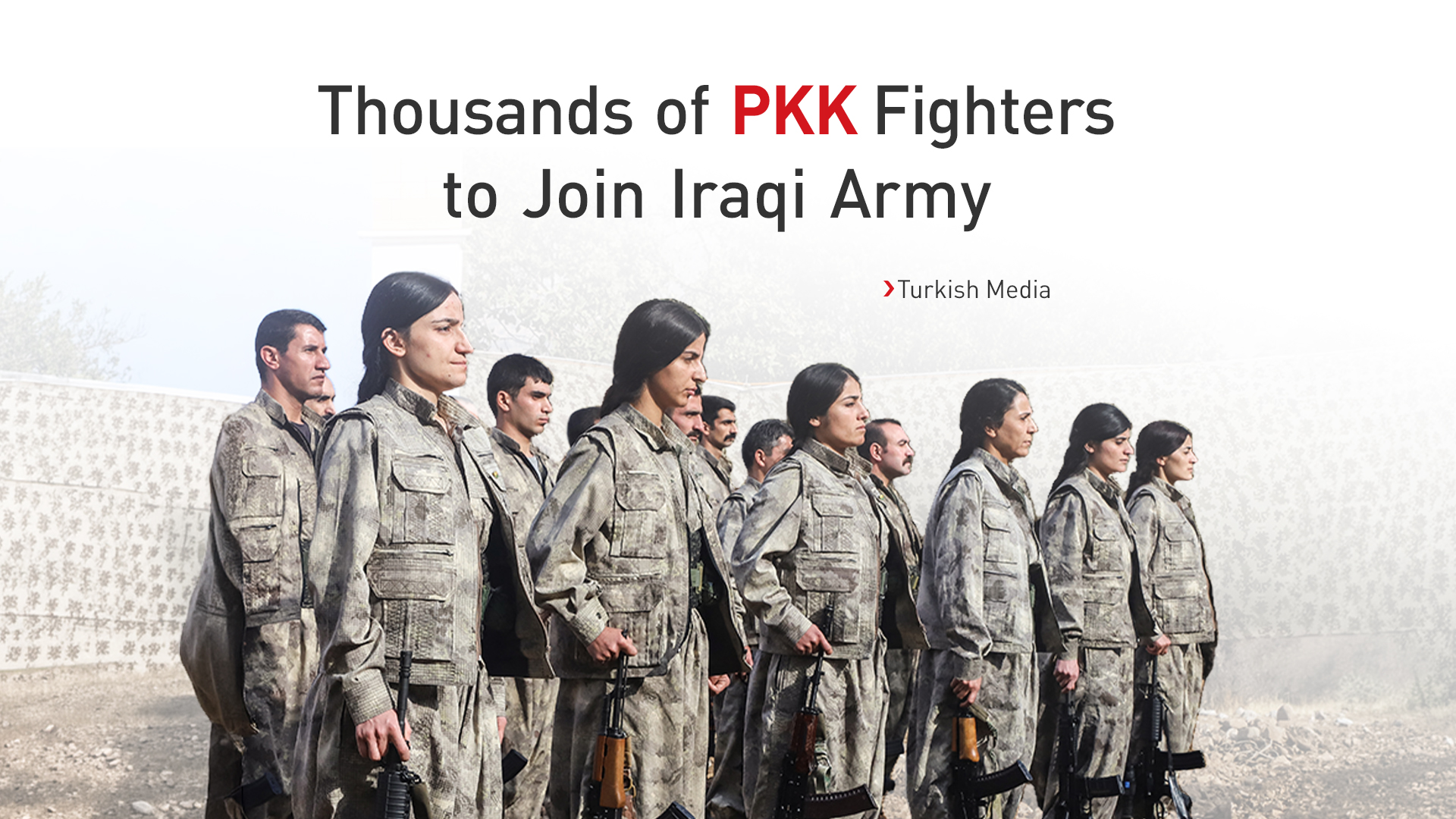
ERBIL (Kurdistan 24) - New details have emerged about the PKK disarmament process, with Turkey's government-aligned Hurriyet newspaper revealing a comprehensive joint mechanism between Ankara, Baghdad, Erbil, and Sulaimani supervised by Turkey's National Intelligence Organization, known as MIT, that will see thousands of PKK fighters disarm, return to Turkey, or integrate into Iraq's armed forces, with the process expected to be completed by November 2026.
The Hurriyet report arrives three weeks after Turkey's parliament passed the Law on Strengthening National Solidarity and Social Integration on Monday, August 10, 2026, with one of the highest levels of parliamentary support in the history of the Turkish Grand National Assembly. A total of 561 deputies took part in the open vote on the 12-article measure, known as the framework law, which was adopted with 467 votes in favor, 87 against, and 7 abstentions. The law provides legal protections for former PKK militants who have not committed specific crimes, but will only come into effect after Turkey's National Security Council confirms that the group has fully disbanded and surrendered all weapons. World Socialist Web Site
According to Hurriyet's reporting, a joint mechanism has been established between Ankara, Baghdad, Erbil, and Sulaimani under MIT's supervision to bring an end to the armed presence of the PKK. PKK members are expected to lay down their weapons and return to Turkey by November of this year. The weapons handover process will take place in Erbil and Sulaimani according to a predetermined roadmap, with all weapons registered and placed on an official list. MIT has taken on the role of field monitoring, responsible for verifying the evacuation of caves and camps in the Kurdistan Region. After collecting relevant information, the agency will submit a report to Turkey's National Security Council.
Once it is confirmed that the PKK has ended all illegal activities not only in Iraq and Syria but also in Europe, the return of the organization's members to Turkey will begin by National Security Council decision, simultaneously with the implementation of the settlement law and a review of the files of those currently imprisoned.
Between 7,000 and 8,000 PKK fighters from Iraq and Syria are expected to return to Turkey, simultaneously with the repatriation of 8,000 civilian residents of Makhmour camp in the Kurdistan Region. Turkey's new law covers only ordinary members, with 230 senior commanders and those directly involved in killings excluded from the legal framework's provisions. In Sinjar, 2,200 fighters affiliated with the PKK-linked organization will be integrated into the ranks of the Iraqi Army.
The Legislative and Political Background
The framework law passed on August 10 was the product of a parliamentary commission established in August 2025, which heard politicians, officials, civil society groups and others before recommending legislation to manage the disarmament and reintegration process. Parliament Speaker Numan Kurtulmus told reporters following the vote: "With the armed organization laying down its arms and dissolving itself, we will build a new era in which peace, brotherhood, and solidarity will prevail." Middle East Online NPR
The process began publicly in October 2024 when MHP leader Devlet Bahceli unexpectedly suggested that PKK founder Abdullah Ocalan, imprisoned on İmralı Island since 1999, could address parliament. Ocalan issued his historic disarmament call on February 27, 2025. The PKK announced a unilateral ceasefire on March 1, 2025, held its 12th Congress in May 2025 and resolved to self-dissolve, then staged a symbolic disarmament ceremony in Sulaimani province on July 11, 2025, and announced the withdrawal of fighters from Turkey to the Kurdistan Region of Iraq on October 26, 2025.
Kurdish Parties: Ankara Has Not Delivered Promised Reforms
Despite the legislative milestone, the process has not been without friction. Kurdish parties accuse Ankara of failing to follow through on promised political and legal reforms. The law does not by itself resolve broader Kurdish demands for expanded political and cultural rights, changes to anti-terrorism legislation, or the status of Ocalan. The government has described the initiative as part of its goal of creating a "terror-free Turkey," while Kurdish politicians have said lasting peace will require broader democratic and legal reforms. Council on Foreign Relations Middle East Online
Official Iraqi and KRG Positions
Iraqi National Security Adviser Qasim al-Araji confirmed on Saturday that PKK presence on Iraqi soil is illegal and that Iraq is working with the Turkish side to resolve the issue, adding that Turkish forces will leave northern Iraqi territory once the PKK file is closed. Iraqi Deputy Parliament Speaker Farhad Amin Atrushi warned on AMonday that attempts to drag the Peshmerga into the weapons regulation file are a deliberate attempt to confuse the cards, citing Article 121 of the Iraqi constitution as the basis for the Peshmerga's distinct legal status separate from both the PKK and the Iran-aligned militia disarmament deadline of September 30.
Hurriyet also reported that the PKK has approximately 70,000 to 80,000 supporters in Europe, with a significant portion of them also expected to return to Turkey following the implementation of the law.