IAEA Says It Cannot Verify Iran’s Enriched Uranium Stockpile
The UN nuclear watchdog says it cannot verify the location or status of Iran’s near-bomb-grade uranium stockpile as inspectors remain unable to access key nuclear facilities.
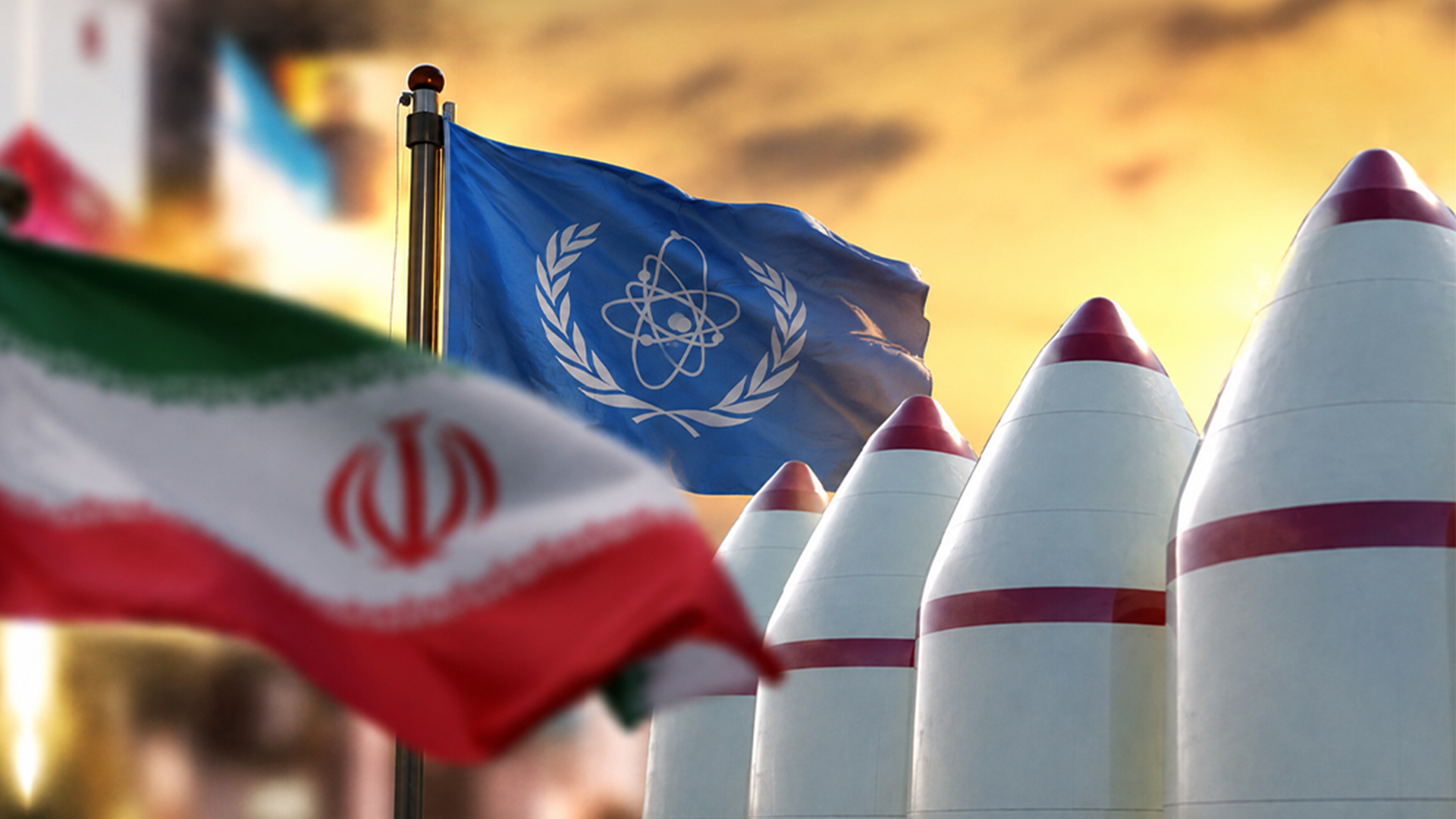
ERBIL (Kurdistan24) - The status of a critical part of Iran’s nuclear program remains unknown, with the International Atomic Energy Agency (IAEA) warning that it cannot verify the location or condition of Iran’s stockpile of uranium enriched to levels approaching weapons grade.
In an 11-page restricted report sent to member states on Thursday, IAEA Director General Rafael Grossi said the agency’s lack of information about the nuclear material and its inability to access facilities to verify it had become a proliferation concern.
“The agency’s lack of information about this nuclear material and access to facilities to verify it is a matter of proliferation concern,” Grossi wrote, calling on Iran to allow inspectors to return “with the utmost urgency.”
The report followed Grossi’s visit to Washington and came as the United States launched a new wave of strikes against targets in Iran, further escalating tensions between Washington and Tehran.
Grossi again called for inspectors to resume their work and urged a negotiated resolution to the US-Iran conflict.
The report said there had been no progress in restoring the agency’s ability to verify Iran’s nuclear stockpiles. Inspectors have yet to return to nuclear sites targeted by the United States and Israel in June 2025.
Before those attacks, the IAEA estimated that Iran had 440.9 kilograms of uranium enriched to up to 60% purity—well above the level normally associated with civilian nuclear fuel and a short step from roughly 90% weapons-grade uranium.
According to the IAEA’s yardstick, that amount would be sufficient for 10 nuclear weapons if enriched further. Iran also possessed uranium enriched to lower levels.
Bloomberg, citing previous IAEA reporting, said Iran had held approximately 8,599.6 kilograms of low-enriched uranium alongside more than 440 kilograms of highly enriched uranium before the June 2025 strikes.
How much of that material remains, however, is unclear.
“It is more than a year since the Agency lost continuity of knowledge in relation to the previously declared inventories of LEU (low-enriched uranium) and HEU (highly enriched uranium) enriched up to 60% U-235 at the declared nuclear facilities affected by the attacks of June 2025,” the report said.
The agency reiterated that the absence of information and access must be addressed urgently because of the proliferation concerns it creates.
IAEA inspections of Iran fell by more than half last year after Tehran imposed new restrictions following a 12-day conflict in which Israel and the United States attacked Iranian nuclear sites.
Inspectors are expected to be allowed to visit Iran’s Bushehr nuclear power plant in mid-September, according to the report.
Uncertainty surrounding Iran’s nuclear program has deepened amid the war that began on February 28, when the United States and Israel launched attacks on Iran.
Washington and Tehran subsequently experienced months of fighting and attempts at negotiations before reaching a tentative understanding in June.
That arrangement was intended to restore IAEA access to Iran’s nuclear facilities and open a new round of talks on the country’s nuclear program. The agreement, however, quickly collapsed.
US President Donald Trump has maintained that military action is necessary to ensure Iran never acquires a nuclear weapon.
Iran has consistently denied seeking a nuclear weapon but has not satisfactorily explained to the IAEA why it enriched uranium to 60%.
The latest IAEA report comes ahead of a meeting next week of the agency’s Board of Governors in Vienna, where members are expected to consider a new resolution censuring Iran.