Israel Vows to Hold Lebanon Security Zone After Capturing Strategic Ridge
“The International Committee of the Red Cross, at the request of the relevant parties, facilitated the transfer to Lebanon of five individuals released from Israeli detention,” the ICRC said in a statement.
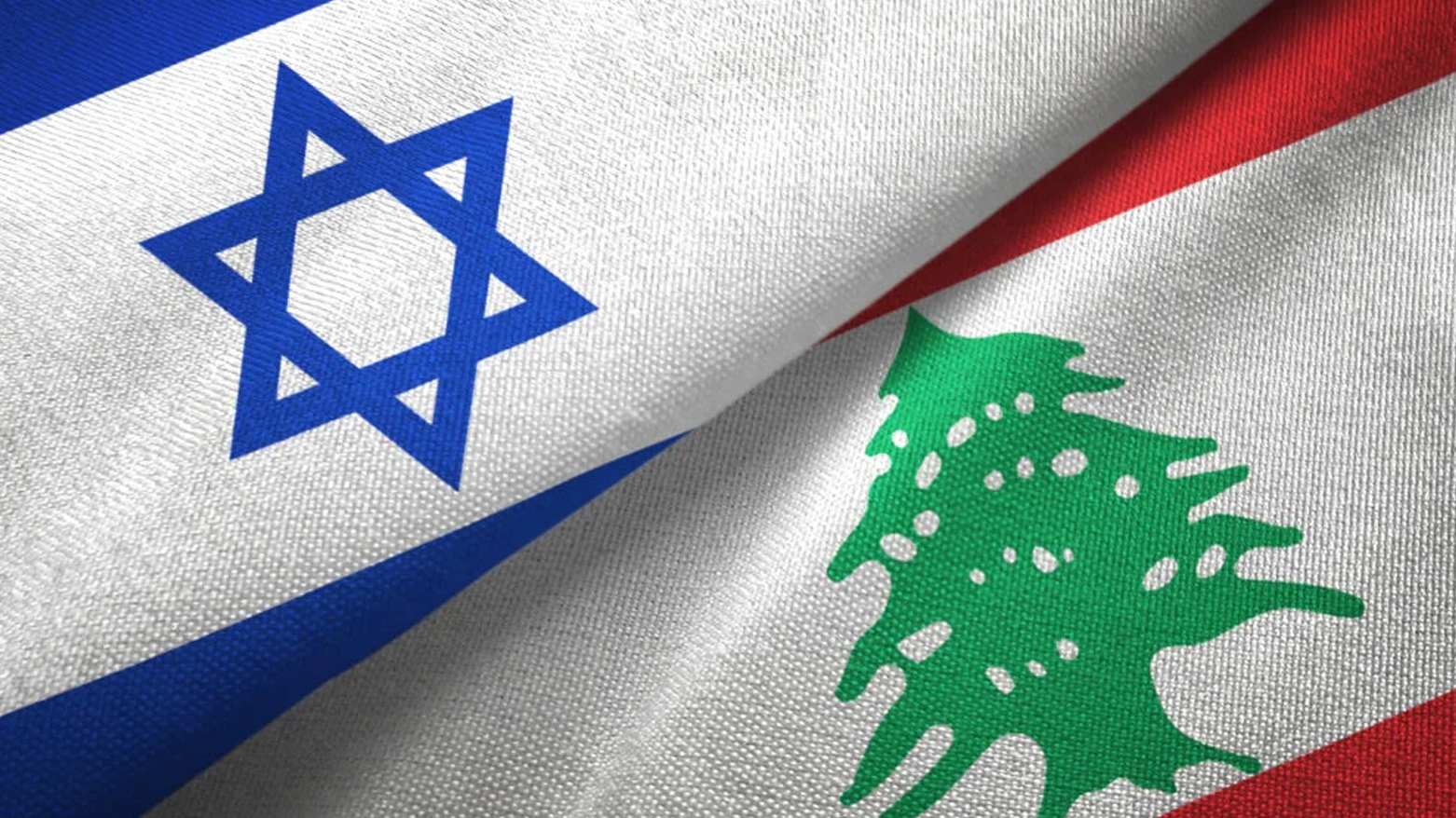
ERBIL (Kurdistan24) – The International Committee of the Red Cross (ICRC) on Friday facilitated the transfer of four more people released from Israeli detention to Lebanon, a day after another individual was transferred, as Israel vowed to maintain its military presence in southern Lebanon.
“The International Committee of the Red Cross, at the request of the relevant parties, facilitated the transfer to Lebanon of five individuals released from Israeli detention,” the ICRC said in a statement. One person was transferred on Thursday, while four others were transferred on Friday.
Meanwhile, Israeli Defense Minister Israel Katz said the capture of the Ali Taher ridge marked the completion of Israel’s efforts to establish control over a designated “security zone” in southern Lebanon, and vowed that Israeli troops would remain there.
“The capture of the Ali Taher ridge marks the completion of the phase of securing control in the security zone in southern Lebanon,” Katz said.
Israel says Hezbollah, the Iran-backed Shiite group originally established to fight a previous Israeli invasion, used the strategic high point to launch attacks against Israeli targets and built an extensive network of tunnels beneath it, including a command structure.
Katz said the Israeli military would complete the “neutralization” of the tunnels and prepare to maintain control of the ridge while preventing Hezbollah from returning to the area.
He added that he and Prime Minister Benjamin Netanyahu, who faces closely contested elections on October 27, would maintain a “clear and uncompromising line” toward Lebanon.
“Israel will not withdraw from the security zone in Lebanon until Hezbollah is disarmed throughout Lebanon and the threats over the residents of the Galilee are removed,” Katz said, referring to Israel’s northern region.
Israel and Hezbollah have exchanged fire since early March, when Hezbollah entered the wider Middle East conflict by launching rockets at Israel in retaliation for the killing of Iran’s Supreme Leader Ayatollah Ali Khamenei in US-Israeli strikes.
Israel has since conducted an extensive campaign of airstrikes and a ground offensive in Lebanon that have killed more than 4,300 people, according to Lebanese authorities.
The fighting has eased since a US-Iran memorandum of understanding and a framework agreement between Israel and the Lebanese government were reached in June. However, the US-Iran understanding has remained fragile, with US forces resuming attacks on Iran this week.