Trump Drafts Post-War Middle East Plan
Axios reveals White House is working on a sweeping regional plan covering Saudi-Israeli normalization, Gaza conclusion, Syria-Israel security agreement, and a US-guaranteed alliance to contain Tehran, with Israeli elections and US midterms looming over the timeline
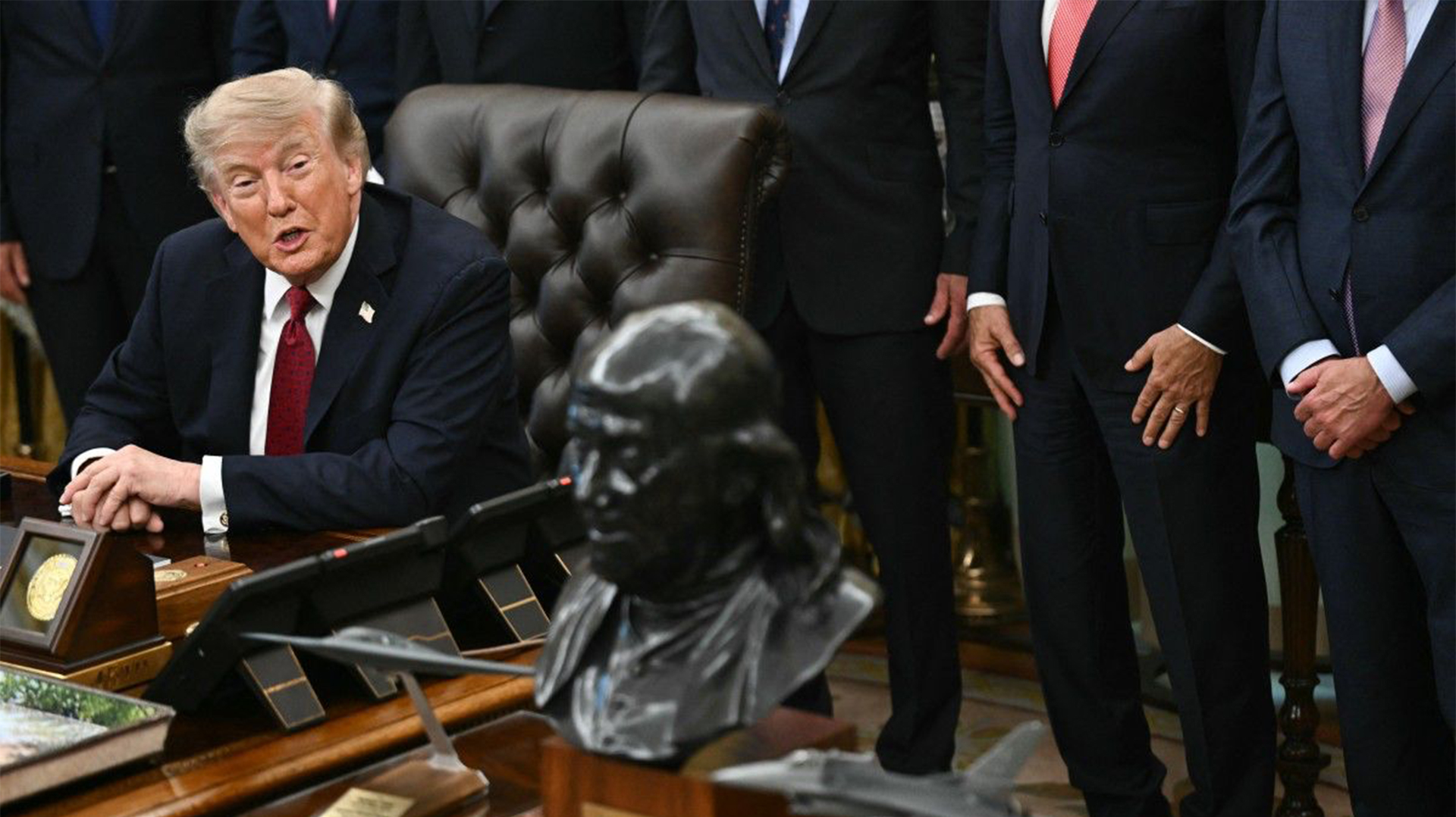
ERBIL (Kurdistan 24) - The Trump administration is drafting a comprehensive post-war Middle East strategy focused on creating a regional alignment among US allies to contain Iran, expanding the Abraham Accords to include Saudi Arabia, and bringing the regional fallout from the October 7, 2023, Hamas attacks closer to a conclusion, Axios reported on Friday, September 4, 2026, citing two US officials and two other sources with knowledge of the process.
The plan is still in the early stages of drafting but is intended to guide Washington's approach to the Middle East after the Iran war ends and through the final two years of President Trump's term. Trump has held two meetings with senior advisers in recent weeks where the strategy was discussed, and ideas were raised, sources told Axios. In private conversations, Trump has said he is working on "something much bigger" in the Middle East after the war with Iran. The White House declined to comment.
Three Core Elements
Three main elements have been raised as possible parts of the strategy, according to Axios's sources. The first is creating a regional alignment among US allies to contain Iran, with the United States serving as a guarantor of that alignment, building on the military, economic, and diplomatic pressure campaign that has defined the conflict's current phase and extending it into a durable post-war security architecture.
The second element involves making a concerted effort to bring the regional fallout from the October 7 attacks closer to a conclusion by securing the next phase of Trump's Gaza plan, reaching a security agreement between Israel and Syria, and implementing the Israel-Lebanon agreement. Each of these three sub-elements is in various stages of active negotiation, with US Special Presidential Envoy Tom Barrack having already confirmed five formal rounds of US-mediated Israel-Syria talks and the establishment of a joint coordination room in Amman.
The third element is the expansion of the Abraham Accords and the achievement of a Saudi-Israeli normalization agreement, which has been the most ambitious and politically complex goal of Trump's Middle East diplomacy since the beginning of his second term. A Saudi-Israeli deal would represent the most consequential Arab-Israeli normalization since Egypt's 1979 peace treaty and would fundamentally reshape the regional order in a way that Iran's strategic position cannot easily absorb.
Two Looming Elections
Two major political events loom over the planning process and its timeline. Israel's national election on October 27, 2026, will determine the composition of the next Israeli government and its willingness to cooperate in the post-war strategy. The Trump administration hopes any new government formed after the election will be willing and able to cooperate, but some US officials stress that Trump will push to implement the strategy regardless of the Israeli election results, and even if they produce a political stalemate.
The US midterm elections in November 2026 add a second deadline to the planning process, creating pressure to demonstrate tangible diplomatic progress in the Middle East before American voters go to the polls in a contest that will determine whether Republicans retain control of Congress.
Still Being Cooked
A source briefed on the process told Axios the strategy will take another few weeks to draft. "They are cooking it, but it is not yet cooked," the source said. "The idea is to tie a whole lot of things in the region together, how you create a regional alignment after the war. It is still unclear if all US allies in the region will be on board," the person added.
The initial work on the strategy is taking place both at the senior political level of the Trump administration and at the working level across agencies, US officials confirmed. The breadth of the planning process, spanning Iran containment, Palestinian resolution, Israeli-Syrian normalization, Lebanese implementation, and Saudi-Israeli normalization simultaneously, reflects the scale of the diplomatic ambition behind what Trump has privately described as "something much bigger."