Duhok Grape Harvest Rises as Output Heads Toward 80,000 Tons
Duhok's grape harvest is expected to reach around 80,000 tons this year, up from 60,000 tons, as the KRG restricts imports and expands market access for local farmers.
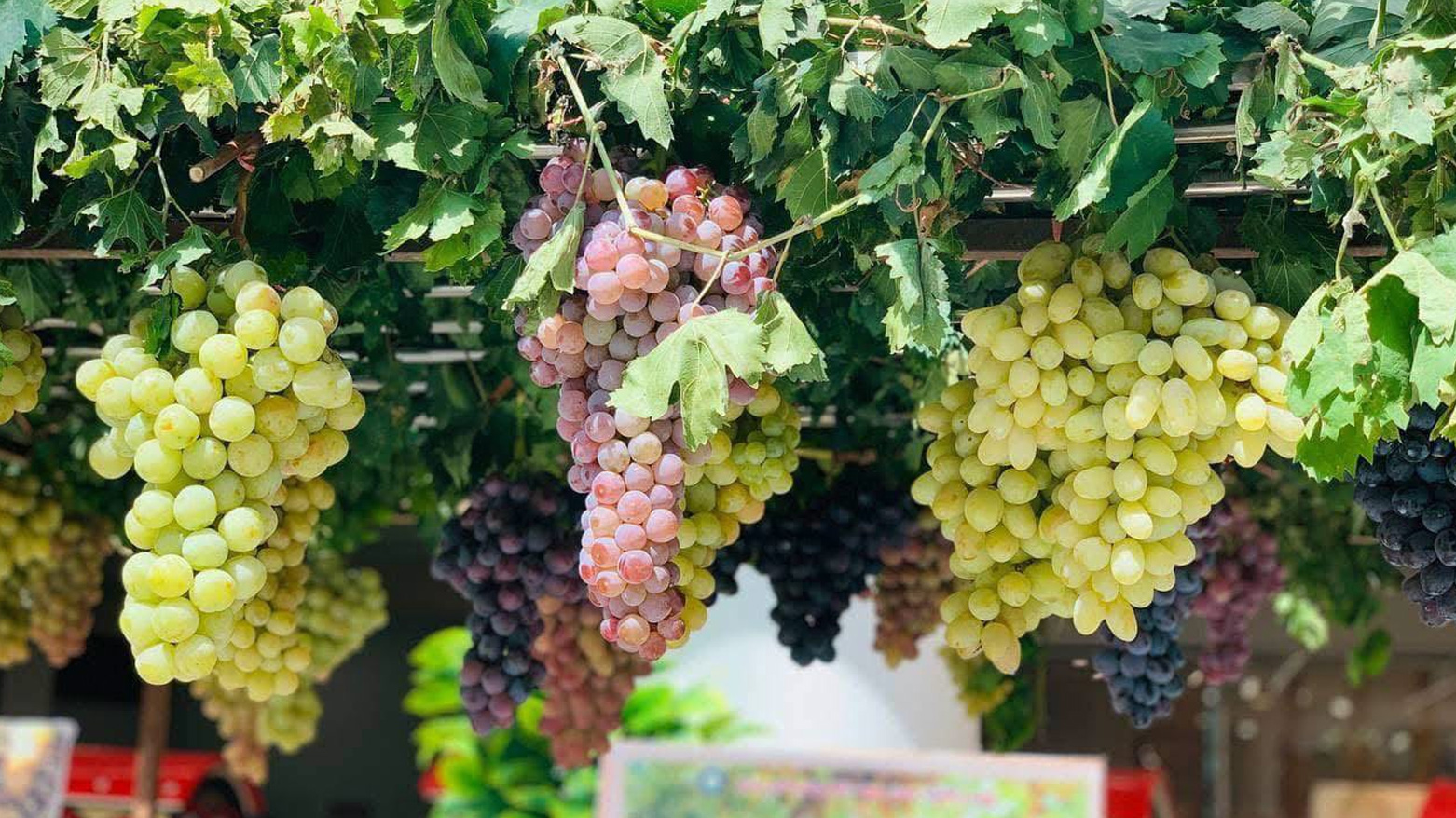
ERBIL (Kurdistan24) - Grape production in Duhok province is expected to reach around 80,000 tons this year, up from approximately 60,000 tons last year, as farmers expand output and the Kurdistan Regional Government continues measures aimed at protecting local produce and improving access to markets.
According to a report by Kurdistan24 correspondent Bewar Hilmi, farmers across Duhok cultivate approximately 5,000 acres (20,118 dunams) of vineyards annually, making grapes one of the province's most important local agricultural products.
The latest projection represents a substantial increase in production compared with last year and reinforces Duhok's reputation as one of the Kurdistan Region's leading grape-producing areas.
When the local harvest reaches markets, the KRG restricts imported grapes to give domestic farmers greater opportunity to sell their produce.
Duhok-grown grapes are also transported daily to other Iraqi provinces, helping absorb the seasonal harvest and giving local farmers access to larger consumer markets beyond the Kurdistan Region.
Previous Kurdistan24 reporting in late August detailed that the KRG had suspended foreign grape imports from July 1 through Nov. 15 as part of its seasonal agricultural protection policy.
Ahmed Jamil, director-general of agriculture in Duhok, told Kurdistan24 at the time that imported grapes would not be permitted during the local harvest period.
Read More: Duhok Farmer Grows 18 Grape Varieties as Province Leads Iraq
The policy is intended to reduce competition from cheaper imported fruit when Kurdish farmers are bringing their own produce to market.
That support is particularly important for grapes because they are highly perishable and large harvests can push prices sharply lower if traders, processors and consumers cannot absorb production quickly.
Officials have therefore encouraged farmers and traders to send more grapes to central and southern Iraq, where Duhok produce already enjoys strong demand.
Previous Kurdistan24 reporting also said Kavin Greenhouse Company planned to purchase grapes directly from farmers through designated collection centers.
Duhok is also known for the diversity of its grape cultivation.
Hilmi's latest report says the province has nearly 125 grape varieties, with more than 50 expected to be displayed at the annual Grape and Honey Festival later this month.
Previous Kurdistan24 reporting on Aug. 29 cited around 105 varieties cultivated province-wide and more than 6,000 acres (25,000 dunams) of vineyards. The difference reflects varying figures in recent reports, but both accounts point to the scale and diversity of Duhok's grape industry.
The annual festival, held with KRG support, brings together farmers, producers, traders and visitors while providing growers with another platform to promote their crops and seek buyers.
Natural honey produced in Kurdistan's villages and mountain areas is displayed alongside the grapes.
Preparations are underway for this year's festival, which is scheduled for the end of September.
The event forms part of a broader KRG effort to promote local agricultural products, connect farmers with markets and reduce dependence on imported produce when sufficient domestic supplies are available.
For Duhok's growers, an expected harvest of around 80,000 tons represents another strong season.
But the economic value of that production will depend on the ability to move grapes quickly to consumers, maintain prices and expand processing and marketing opportunities.
With import restrictions in place, daily shipments to other Iraqi provinces and another Grape and Honey Festival approaching, Duhok is seeking to turn its long-established grape-growing tradition into a larger and more sustainable agricultural industry.