KRG Says Irregular Migration Drops Sharply as 33 Kurds Return From Libya
KRG official Sarwa Rasul says irregular migration fell by 53%-57% in the first eight months of 2026, as 33 more Kurdish migrants prepare to return from Libya.
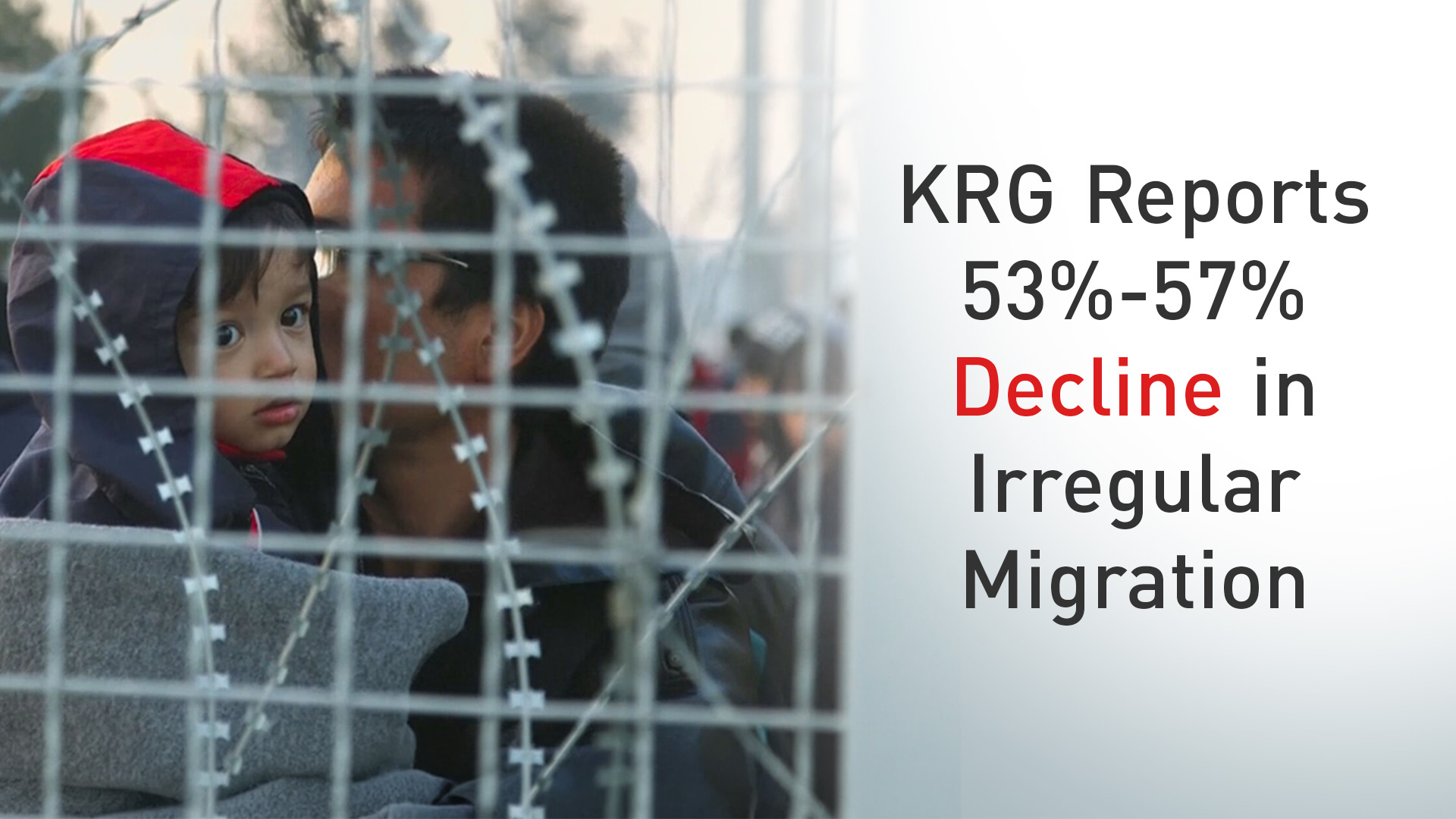
ERBIL (Kurdistan24) - Irregular migration from Iraq and the Kurdistan Region fell by more than half during the first eight months of 2026, a senior Kurdistan Regional Government official said, as authorities prepare to repatriate 33 more Kurdish migrants from Libya on Monday.
Sarwa Rasul, director general of the Crisis Coordination Center at the KRG Ministry of Interior, said irregular migration declined by between 53% and 57% during the January-August period, citing international statistics and reports from the UK Home Office and the European Union.
Speaking Sunday on Kurdistan24's Basi Roj program, presented by Zhino Mohammed, Rasul attributed the decline to measures introduced by the KRG's Ninth Cabinet to discourage dangerous migration routes and provide young people with information about legal alternatives.
She said the government has so far helped rescue and repatriate 302 irregular migrants from different situations abroad.
Another 33 Kurdish migrants are expected to return from Libya to the Kurdistan Region on Monday as part of continuing government repatriation efforts.
Rasul warned that smuggling networks frequently mislead young people by promising an easy or prosperous future abroad while exposing them instead to trafficking, exploitation and potentially deadly journeys.
She said smugglers often present migration routes as a path to "paradise," while the reality can involve severe hardship and loss of life.

Migration Advisory Center and Anti-Smuggling Efforts
Among the measures highlighted by Rasul was the establishment of the Migration Advisory Center, which she described as the first facility of its kind in the Kurdistan Region.
The center was established in cooperation with Austria and the German development agency GIZ and works to educate young people about the dangers associated with irregular migration.
It also provides information on legal avenues for travel, employment and migration abroad.
Rasul said the KRG's approach combines awareness campaigns, repatriation assistance and international cooperation against human-smuggling networks.
She added that the Kurdistan Region's experience in addressing irregular migration has attracted attention abroad.
According to Rasul, the KRG interior minister and members of his team have received official invitations from countries including the United Kingdom and Belgium to discuss the Region's experience and cooperation with European authorities in combating migrant-smuggling networks.
The sharp fall in irregular migration comes after years in which young people from Iraq and the Kurdistan Region joined dangerous routes through countries including Türkiye, Libya and Belarus in attempts to reach Europe.
Read More: 33 Iraqi Migrants to Return to Erbil from Libya
The KRG has increasingly emphasized prevention, awareness and legal migration options alongside efforts to bring stranded migrants home.
Displacement Crisis Remains Unresolved
Rasul also addressed the continuing presence of displaced people and refugees in the Kurdistan Region.
She said the Region currently hosts around 870,000 displaced people and refugees across 27 camps, placing continued pressure on public services and humanitarian resources.
She was particularly critical of conditions preventing displaced residents of Sinjar from returning home.
"The Iraqi government has neglected the rights and entitlements of displaced people in the Kurdistan Region," Rasul said.
She added that the Sinjar Agreement remains unimplemented and argued that the presence of illegal armed groups continues to prevent many displaced families from safely returning.
Rasul stressed that the KRG opposes any forced return of displaced people.
Instead, she said returns must be voluntary, safe and dignified, with adequate security and living conditions in place before families are expected to go back.
Her remarks link two long-running migration challenges facing the Kurdistan Region: preventing young people from risking irregular journeys abroad while continuing to host large numbers of people displaced by conflict and instability inside Iraq.
For the KRG, the reported 53%-57% decline in irregular migration represents a significant indicator that awareness, international cooperation and repatriation policies may be having an impact.
But Rasul's comments also underscored that migration management remains closely tied to unresolved security and political problems, particularly in areas such as Sinjar where displacement continues years after the defeat of ISIS.