Netanyahu Says Iran’s Government ‘Very Close’ to Collapse During Syria Troop Visit
Israel has maintained troops in southern Syria since the fall of longtime Syrian President Bashar al-Assad in December 2024. Israeli forces took control of areas previously forming part of a UN-patrolled buffer zone that had separated Israeli and Syrian forces since 1974.
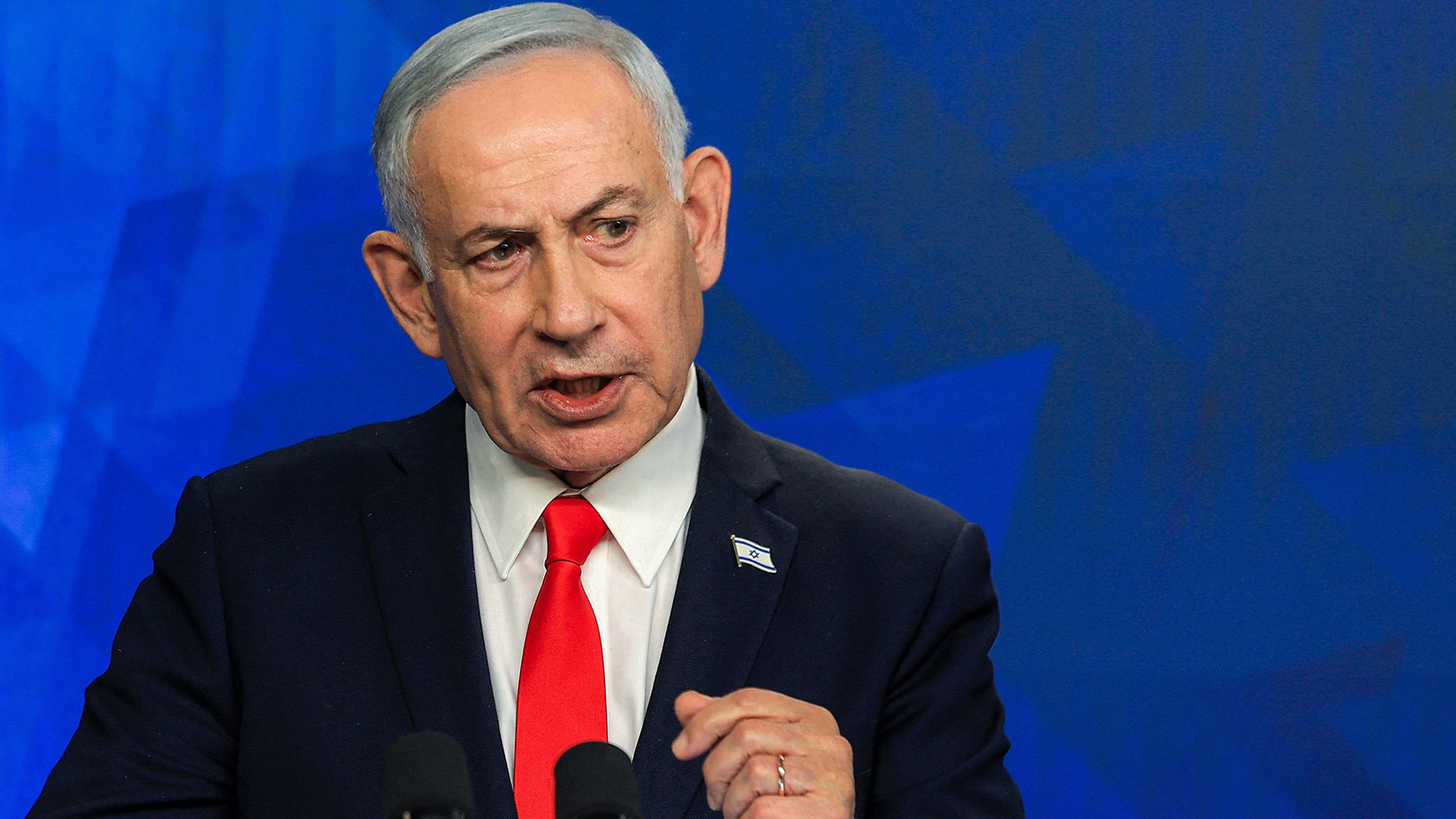
ERBIL (Kurdistan24) – Israeli Prime Minister Benjamin Netanyahu said Wednesday that Iran’s Islamic Republic is “very close” to collapse, as the six-month Middle East war between Israel, the United States and Iran continues to intensify.
“There is still work to be done — the main task is to bring down the terror regime in Iran. We are very close to that,” Netanyahu said during a visit to Israeli troops on the Syrian side of Mount Hermon, near the Israel-Syria border. Israeli Defense Minister Israel Katz accompanied him.
Netanyahu also said Iran’s regional network of allied armed groups would eventually collapse.
“We know that the entire axis will ultimately collapse,” he said, referring to Iran-backed groups across the Middle East.
Israeli forces remain in southern Syria
Israel has maintained troops in southern Syria since the fall of longtime Syrian President Bashar al-Assad in December 2024. Israeli forces took control of areas previously forming part of a UN-patrolled buffer zone that had separated Israeli and Syrian forces since 1974.
“We will not allow any terrorist army to establish itself on our border,” Netanyahu reiterated.
The Israeli prime minister has visited troops in Syria at least twice previously — in December 2024, shortly after Israeli forces entered the buffer zone, and again in November 2025.
Katz visited Israeli troops in southern Syria two weeks ago, drawing condemnation from Damascus, which described the deployment as a “flagrant violation” of Syria’s sovereignty and territorial integrity.
Syria had been a close ally of Iran under both Hafez al-Assad and his son Bashar, and provided a base for Iranian-backed armed groups. The alliance effectively ended following Bashar al-Assad’s ouster.
Israel has since carried out hundreds of strikes in Syria and repeatedly conducted incursions into Syrian territory. Israeli officials have also vowed to maintain their military presence in the security zone while seeking to establish a wider demilitarized area in southern Syria.
Tensions with Iran escalate
Netanyahu’s latest remarks come amid escalating tensions between Tehran and Washington over the strategic Strait of Hormuz.
Iran and the United States have exchanged attacks over the past week, as the conflict enters its sixth month following the launch of US-Israeli military operations against Iran at the end of February.
The standoff over the Strait of Hormuz has added another major flashpoint to the wider regional conflict, with disruptions to the strategic waterway threatening international energy and shipping routes.