Iran Says US Strike on Commercial Vessel Near Qeshm Kills One
Iranian authorities say a US strike on a commercial vessel near Qeshm Island killed one person and injured three, prompting Tehran to close the southern Strait of Hormuz shipping lane.
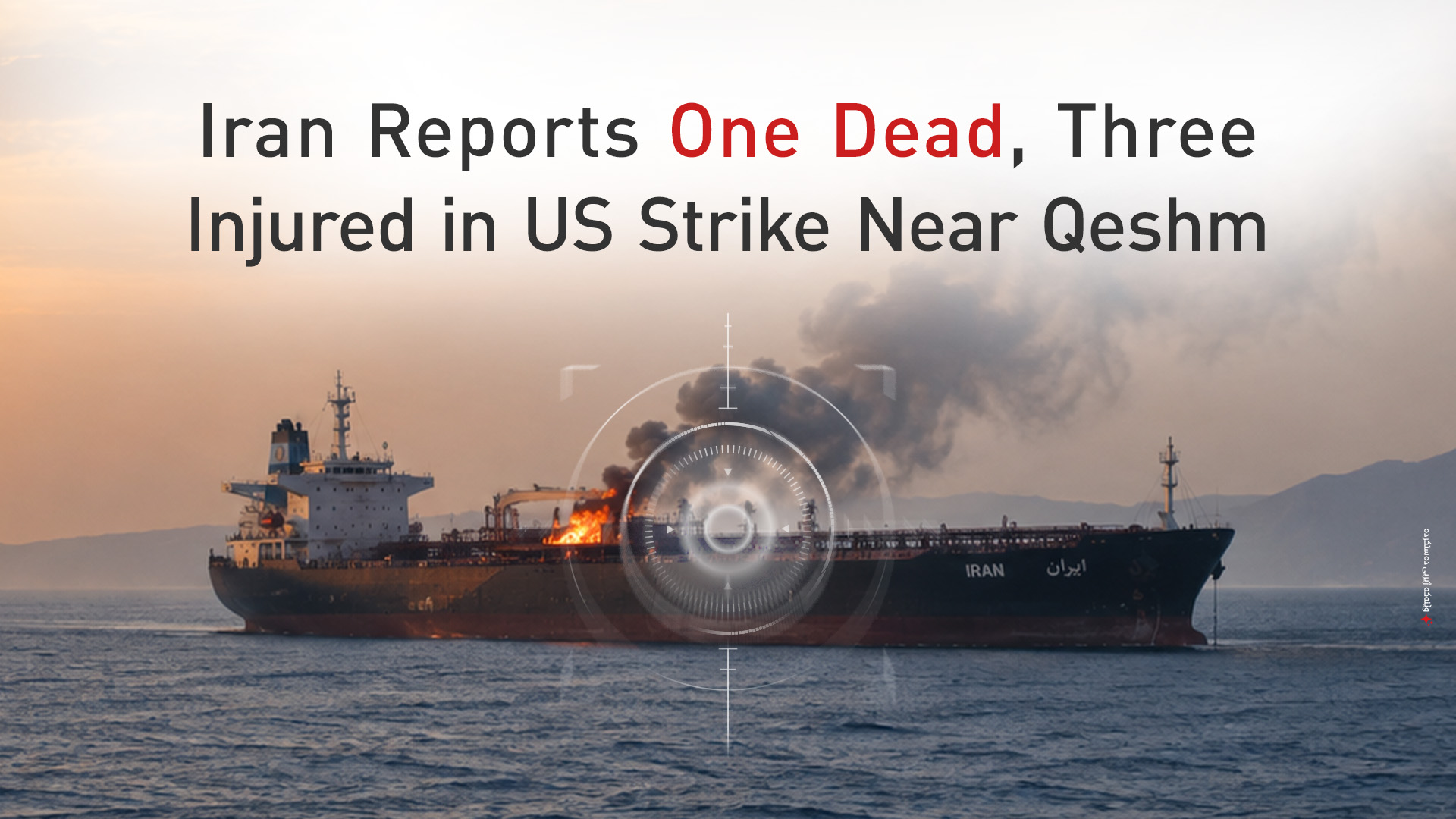
ERBIL (Kurdistan24) - An Iranian commercial vessel was struck near Qeshm Island early Sunday, killing one person and injuring three others, according to Iranian state television and local authorities, who attributed the attack to the United States.
The reported strike occurred between Qeshm and Hengam islands on Sept. 13, amid intensifying tensions over control of maritime traffic through the Strait of Hormuz.
The governor of Qeshm Island and Iranian state television said the United States was responsible for the attack. The supplied reports did not include any immediate confirmation from Washington of a U.S. strike on the vessel.
Iranian media separately reported that two explosions were heard on Qeshm Island. The cause of those blasts was not immediately established, and it was unclear whether they were connected to the vessel incident.
Following the developments, Iranian authorities ordered the southern shipping lane of the Strait of Hormuz closed to maritime traffic.
The closure adds another layer of uncertainty to negotiations over navigation through the strategic waterway, through which roughly one-fifth of global oil supplies normally pass.
The incident came as Iran and Oman reached what an informed Iranian source described as a final understanding on new shipping lanes for vessels entering and leaving the Strait of Hormuz.
Iran's Tasnim News Agency reported that the proposed inbound route would run entirely through Iranian territorial waters, while part of the outbound route would also pass through Iranian-controlled waters.
According to the Iranian source cited by Tasnim, vessel movements would operate under Iranian procedures, while the southern shipping lane, which Tehran says Washington has sought to reopen, would remain closed.
The understanding does not amount to an agreement to reopen the Strait of Hormuz.
Iran has conveyed seven conditions to Washington through mediators, according to Tasnim, and Tehran says the resumption of normal maritime traffic will depend on the U.S. response.
Oman is expected to host a meeting Monday involving Iran and foreign ministers from Gulf Cooperation Council states to discuss maritime security.
A senior Iranian official separately told Reuters that no agreement over the strait itself would be signed at the meeting, saying discussions would instead focus on procedures for managing the waterway and wider regional issues.
U.S. President Donald Trump offered a sharply different account of the situation on Saturday.
Speaking in Dublin after meeting Irish President Catherine Connolly, Trump said the conflict with Iran was improving and would end soon.
He also claimed that U.S. forces had taken control of the Strait of Hormuz and cleared mines from the waterway using advanced minesweeping capabilities.
The supplied reporting does not independently establish U.S. control over the strait.
Shipping advisories have indicated that Washington has established designated transit windows allowing some tankers to move through the waterway under U.S. aerial protection as attacks on commercial vessels have increased.
Iran's Islamic Revolutionary Guard Corps Navy, meanwhile, has said it targeted three oil tankers for traveling through what Tehran described as an unauthorized route.
The latest vessel strike and Iran's subsequent closure of the southern shipping lane underscore how the Strait of Hormuz has become one of the central points of confrontation between Tehran and Washington.
Despite continuing negotiations through Oman, the two sides remain divided over who controls maritime movements through the waterway and under what conditions commercial shipping can fully resume.