KRG Health Ministry Says 21 of 31 Hospital Projects Completed
Ministry official says Ninth Cabinet has prioritized equitable healthcare access, including in remote districts, through renewed projects and new specialized medical centers
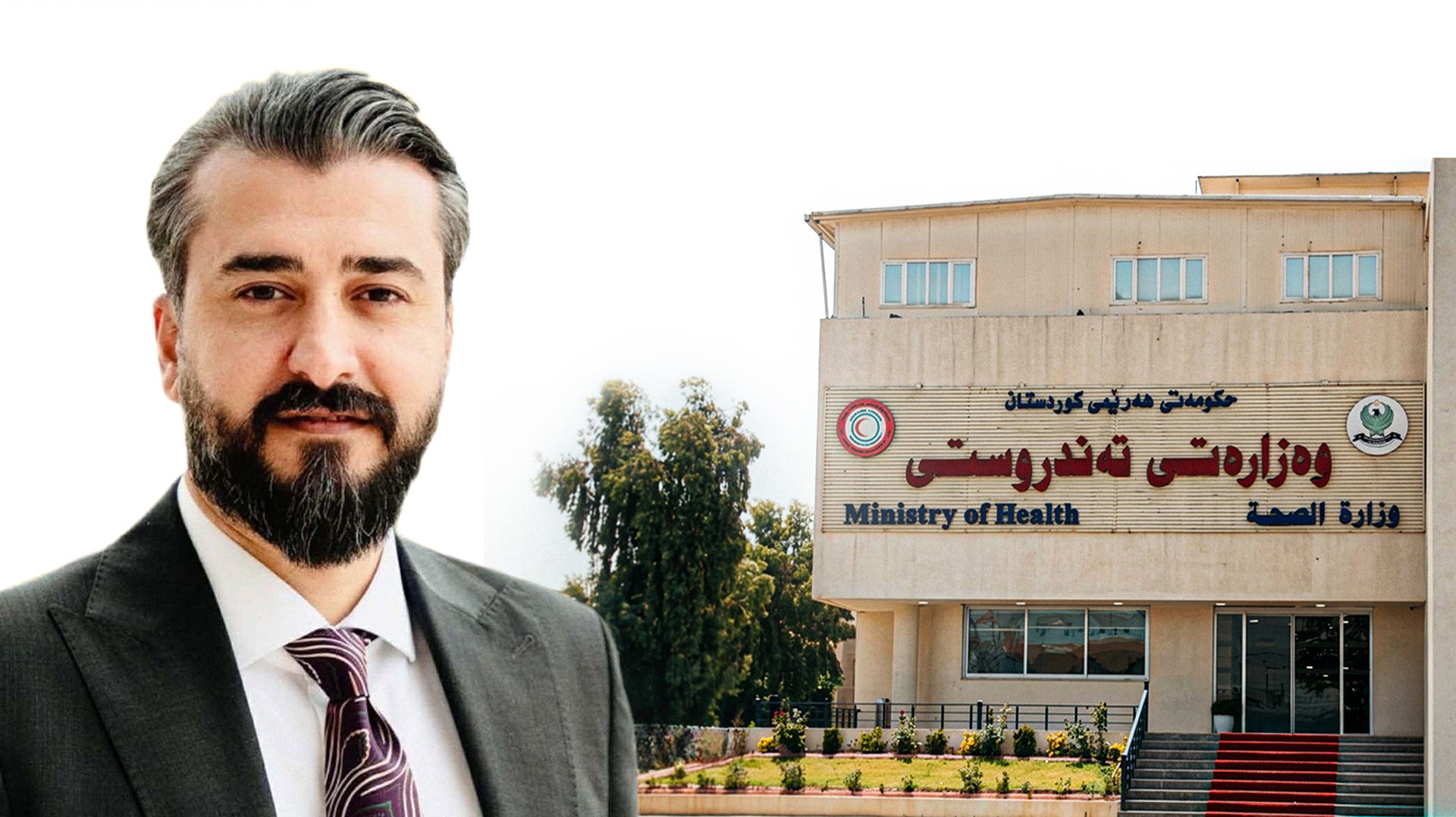
ERBIL (Kurdistan24) — The Kurdistan Region Government’s Ministry of Health has placed particular emphasis on ensuring equitable access to healthcare services, especially in remote districts and areas, through the revival of stalled projects and the construction of dozens of new hospitals and specialized medical centers, a senior ministry official said Sunday.
Engineer Pola Khalifa, director of engineering at the KRG Ministry of Health, told Kurdistan24 that many strategic healthcare projects had been suspended since 2014 due to the financial crisis, but a significant number had been revived and completed under the Ninth Cabinet.
“Over the past several years, work has been carried out on 31 hospital projects, of which 21 have been completed, while the remaining projects are currently under implementation,” Khalifa said.
Among the projects in remote areas is a 100-bed hospital in Hithot, Amedi, which is being built to international standards and equipped to provide comprehensive medical services.
Another 25-bed hospital is being constructed in the border area of Sidekan, where heavy snowfall during winter has posed significant challenges to construction and access.
In cities and towns across the Kurdistan Region, the ministry has also undertaken a range of major healthcare projects. These include the construction of a children’s hospital in Zakho, the opening of surgery and maternity departments in Kifri, and the German Advanced Hospital for communicable diseases in Sulaimani.
Work on the 150-bed Chamchamal Hospital has also reached its final stage, with the Ministry of Health providing the necessary medical equipment.
Expanded cancer care
Khalifa said the ministry has also expanded efforts to improve cancer prevention, diagnosis and treatment by establishing several early cancer detection centers in Erbil, Halabja, Ranya and Zakho.
The largest strategic cancer hospital in the Kurdistan Region is currently under construction in Erbil, with 70 percent of the work completed, according to Khalifa. Once completed, the facility is expected to become the first hospital of its kind in Iraq and one of the three largest cancer centers in the Middle East.
The hospital is designed to provide a comprehensive range of cancer services, including surgical, chemotherapy and radiotherapy treatments, reducing the need for patients to travel outside the Kurdistan Region for specialized care.
Advanced equipment reaches districts
The Health Ministry has also expanded access to advanced diagnostic and cardiac services outside provincial centers, Khalifa said, in an effort to reduce the burden on residents and limit the need to travel to major cities for treatment.
Computed tomography (CT) scanners and magnetic resonance imaging (MRI) machines have been provided to the towns of Zakho, Choman, Halabja, Koya and Kalar, according to the official.
A catheterization center has also been opened in Soran, which Khalifa described as the first of its kind at the district level in Iraq. In Koya, an advanced catheterization system has been installed and is expected to begin operating soon.
The facilities are intended to provide faster treatment for patients suffering heart attacks, where delays in transferring patients to provincial medical centers can increase risks to their lives.
Specialized medical centers
Khalifa said the Ministry of Health has established more than 20 specialized centers covering a range of medical fields, most of which are already operational.
They include a bone marrow transplantation center in Duhok, a pediatric open-heart surgery center in Sulaimani, a thalassemia center in Akre, kidney dialysis centers in Koya and Qaladize, and a diabetes center in Erbil.
Specialized centers for digestive and liver diseases, as well as dental services, have also been established in different parts of the Kurdistan Region, the official said.
The expansion of hospitals, specialized centers and advanced diagnostic services forms part of the Ninth Cabinet’s stated effort to broaden healthcare access beyond major urban centers and strengthen medical infrastructure across the Kurdistan Region.