Iraq Security Media Cell Chief Says Iraqi Territory Used in Attacks on Saudi Arabia
Speaking to Kurdistan24, Maan said Iraqi authorities had yet to determine who carried out the attacks, adding that a high-level committee had been formed to investigate the incidents.
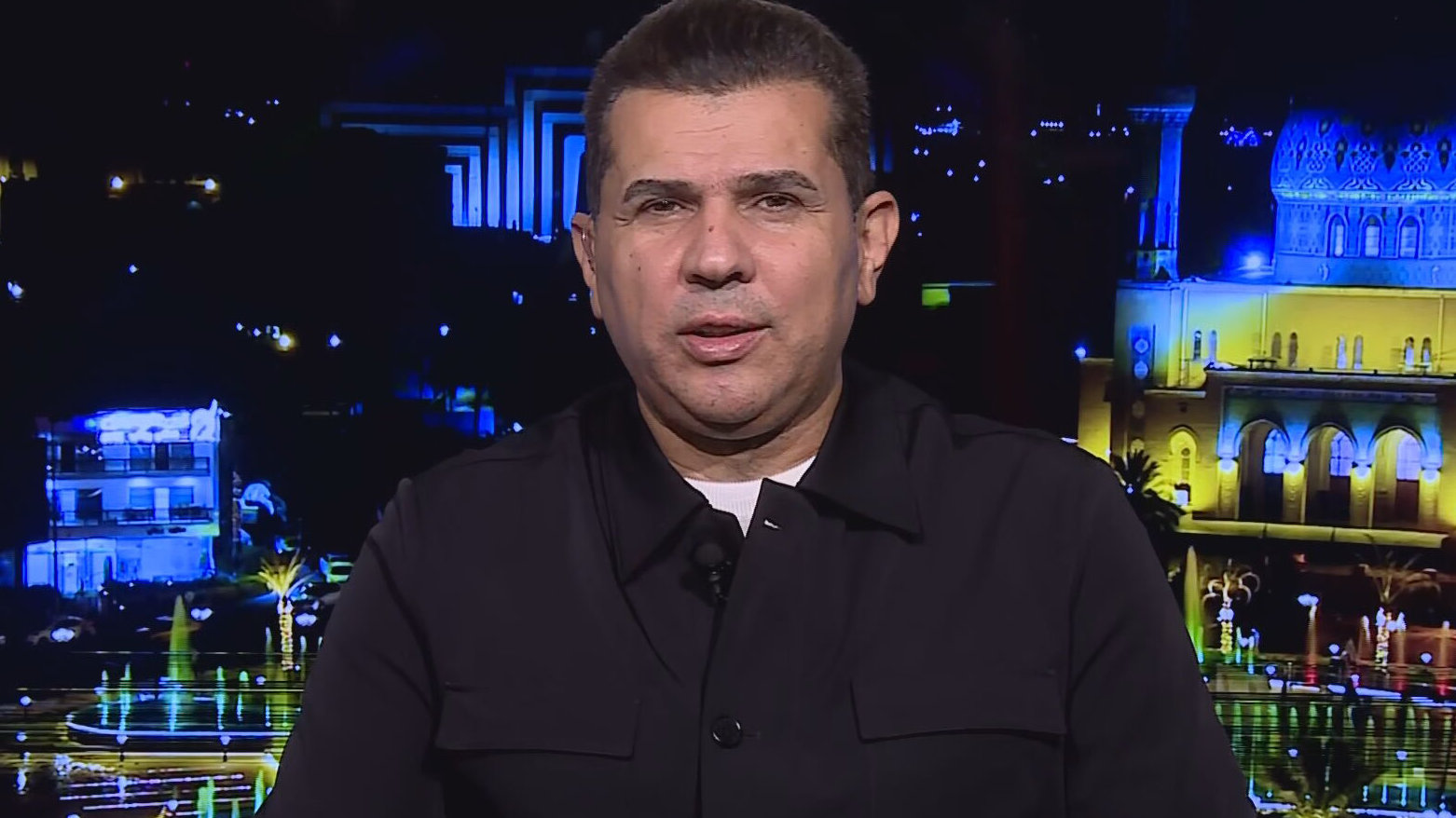
ERBIL (Kurdistan24) — Iraq was not behind recent attacks against Saudi Arabia, but Iraqi territory was used to launch the attacks, the head of Iraq’s Security Media Cell, Lieutenant General Saad Maan, said on Sunday.
Speaking to Kurdistan24, Maan said Iraqi authorities had yet to determine who carried out the attacks, adding that a high-level committee had been formed to investigate the incidents.
“The attacks carried out against Saudi Arabia were not conducted by Iraq. Rather, Iraqi territory was used for the attacks,” Maan said. “So far, we have not fully identified who carried them out, but all necessary measures have been taken, and the committee is working diligently.”
He said the Iraqi prime minister’s decision to remove military commanders in Maysan province from their positions was linked to the incidents.
Maan reiterated Iraq’s opposition to attacks against Saudi Arabia “in every way,” saying Baghdad had conveyed its official position to Riyadh.
“We are in contact with Saudi Arabia and keep them informed of any developments or new information. Saudi Arabia has a very good understanding of the situation and is not concerned,” he said.
Regarding the investigative committee, Maan said it was operating at a high level and that Iran was not a member.
“Prime Minister Ali al-Zaidi has only been asked to coordinate and consult with them,” he said. “The investigations are ongoing, and we want to get to the bottom of the matter.”
Coalition withdrawal
On the planned withdrawal of international coalition forces from Iraq, Maan said the country was entering a new phase and that coalition forces would not remain beyond September 30.
“Iraq has all the capabilities it needs and has confidence in its own forces. No foreign force should remain in Iraq, even in an advisory capacity,” he said.
“Today's Iraq is very different from Iraq in 2014, and most military and security commanders have changed,” Maan added.
No security vacuum in areas outside KRG administration
Addressing the security situation in the areas outside the Kurdistan Regional Government (KRG) administration, Maan rejected concerns over a security vacuum in areas where Iraqi federal forces and Peshmerga forces operate together.
“There is no security vacuum whatsoever,” he said, stressing that the two sides maintain “very good coordination” in security, intelligence, and efforts to combat drug trafficking.
He added that there were plans for the two forces to conduct joint training.
Maan said drugs currently represented the greatest security threat facing Iraq, arguing that terrorism was no longer the country’s primary threat.
“Our intelligence assessments have demonstrated that terrorism is no longer the number-one threat in Iraq,” he said.
Iraq plans three-year air defense strategy
Maan also said the Iraqi Prime Minister had attached particular importance to strengthening Iraq’s air defense capabilities and had recently visited the Iraqi Air Force.
“He has therefore ordered the preparation of a three-year plan to enhance the country's air defense capabilities,” Maan said.
Investigations into Kurdistan Region attacks completed
Regarding previous attacks against the Kurdistan Region, Maan said investigative committees had completed their work and reached conclusions.
“The investigations by the committees into the attacks on the Kurdistan Region have been completed, and they have produced results,” he said.