Sisi to Meet Saudi Crown Prince as Houthi Threat Puts Pressure on Red Sea Shipping
Saudi Crown Prince Mohammed bin Salman’s visit to Cairo comes as Riyadh faces growing maritime pressure from the Iran-backed Houthis and seeks stronger regional coordination to protect the Bab al-Mandab Strait
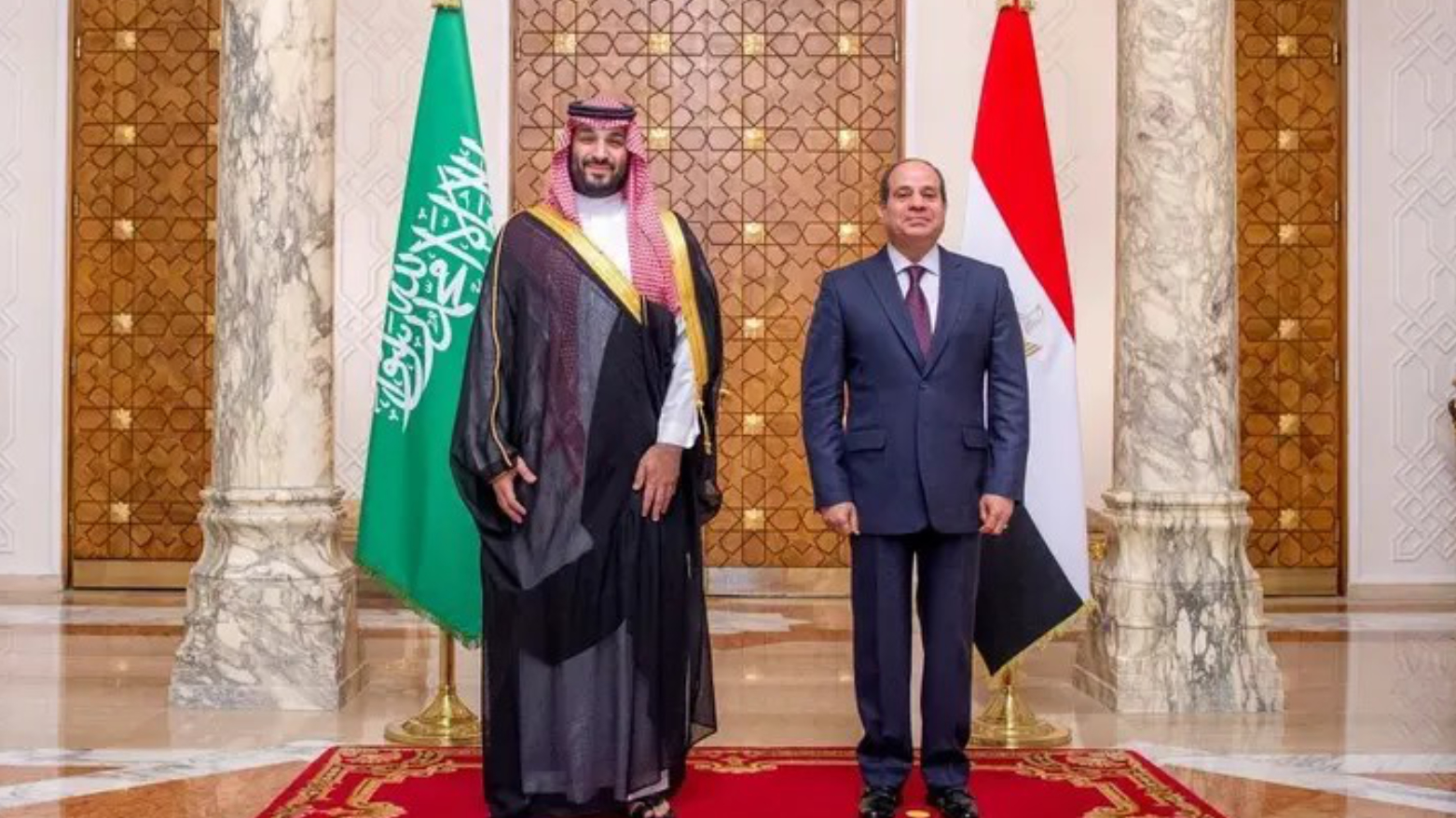
ERBIL (Kurdistan24) — Egyptian President Abdel Fattah al-Sisi is set to meet Saudi Crown Prince Mohammed bin Salman in Cairo on Tuesday as Riyadh faces mounting pressure from Houthi attacks on Saudi-linked shipping and oil infrastructure in the Red Sea.
Egypt’s presidency said the Saudi crown prince would be received by Sisi, with the two leaders scheduled to hold a bilateral meeting. The talks come amid escalating fighting between Yemen’s Iran-backed Houthis and the Saudi-backed Yemeni government.
The visit follows a week-long Houthi offensive that culminated in the group capturing Yemen’s Red Sea coast, strengthening its position around the strategic Bab al-Mandab Strait, a key maritime passage for Saudi oil shipments.
The Houthis’ expanding control and their attacks on oil infrastructure and Saudi-linked tankers have increased concerns over the security of the Red Sea route and placed additional pressure on the world’s largest oil exporter.
Mirette Mabrouk, a senior fellow at the Washington-based Middle East Institute, told AFP that Saudi Crown Prince Mohammed bin Salman, the kingdom’s de facto ruler, was “definitely doing outreach” as Riyadh seeks to address the Houthi threat and potentially secure support from regional partners.
“MBS is looking for assurances that if necessary, Egypt will step up to protect Bab al-Mandab,” Mabrouk told AFP.
She said the latest regional developments also underscored growing uncertainty over reliance on US security guarantees, suggesting that Gulf states and other regional powers could seek greater coordination in dealing with Iran.
“I think it is quite clear that the region cannot depend on the US security umbrella at all,” Mabrouk said. “So, I think in light of that, there will be renewed regional efforts to try and sort things out with Iran.”
The strategic importance of Bab al-Mandab has grown further as Iran continues to block the Strait of Hormuz amid the wider Middle East war, disrupting another critical route for global energy shipments. The Houthis, meanwhile, have declared a maritime blockade targeting Saudi Arabia.
Saudi crude exports through the Red Sea port of Yanbu surged after the regional conflict began, as Riyadh increasingly relied on the route to move oil while maritime traffic through other strategic waterways faced disruption.
Commodities data firm Kpler estimated that Saudi crude shipments from Yanbu averaged around 3.8 million barrels per day between March and July, roughly five times their pre-war level.
That flow has since fallen sharply. Shipments from Yanbu dropped to about 1.5 million barrels per day in August after the Houthis began targeting Saudi-linked shipping in the Red Sea.
The disruption highlights the growing vulnerability of Saudi Arabia’s maritime oil-export infrastructure as the conflict places simultaneous pressure on the region’s two major strategic waterways: Bab al-Mandab and the Strait of Hormuz.
For Egypt, the security of the Red Sea and Bab al-Mandab is also a major strategic and economic concern, given the waterway’s importance to international shipping and the country’s position at the northern end of the Red Sea.