Iraqi Army chief Visits Sinjar as Iraq Seeks Unified Security Structure
Iraqi Army Chief Gen. Abdul Amir Rashid Yarallah arrived in Sinjar for talks on weapons, armed groups, security reorganization and displaced residents' return.
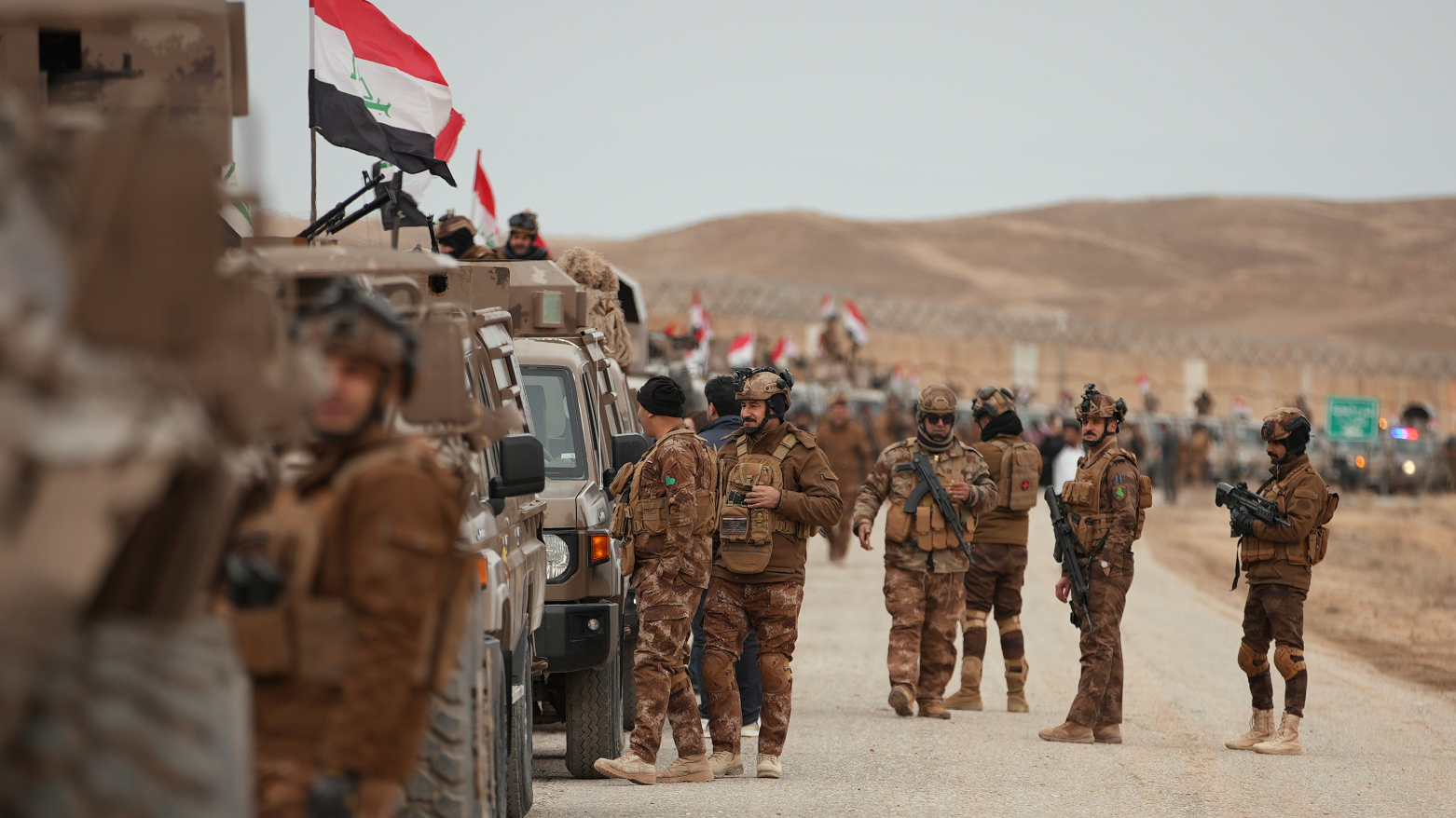
ERBIL (Kurdistan24) - Iraqi Army Chief of Staff Gen. Abdul Amir Rashid Yarallah arrived in Sinjar on Tuesday at the head of a high-level security committee tasked with reviewing conditions in the district, as Baghdad steps up efforts to reorganize local security, address weapons held by armed groups and reduce the number of competing security authorities.
An informed source, speaking on condition of anonymity, said the committee arrived in western Nineveh on Sept. 22 to assess the latest developments and had begun meetings with military commanders and armed formations operating in the area.
Those meetings include representatives of the Sinjar Protection Units, women's units and other groups, with discussions focused on how the security structure could be reorganized and weapons brought under state authority.
The visit follows an announcement on Sept. 11 by Iraqi Prime Minister and Commander-in-Chief of the Armed Forces Ali Faleh al-Zaidi that factions associated with the "resistance front" in Sinjar would surrender their weapons to the state.
Al-Zaidi also said Mount Sinjar would come under the full authority of the federal government and its security and administrative institutions.
He ordered the formation of a high-level committee to prepare a comprehensive assessment covering both security and public services. The committee was also instructed to address the legal status of members of the Sinjar Resistance Units, with those who meet the required conditions to be incorporated into official security or public-service institutions.
Previous Efforts Failed to Produce Disarmament
Tuesday's visit represents a new round of direct engagement, but earlier assessments from Nineveh officials underline how difficult implementation could be.
Mohammed Jassim, head of the Nineveh Provincial Council's Security Committee, told Kurdistan24 on Sept. 12 that no concrete steps toward disarmament had yet taken place and estimated that more than 4,000 armed fighters remained in Sinjar.
Jassim said an earlier initiative under former Prime Minister Mohammed Shia al-Sudani saw about 2,000 fighters register as part of a process intended to lead toward handing over weapons, but that effort ultimately failed.
Iraqi media have also reported discussions about potentially integrating around 2,000 PKK-affiliated fighters in Sinjar into the Iraqi security forces through a structure separate from the Popular Mobilization Forces. No such arrangement had been implemented as of Jassim's Sept. 12 remarks.
The latest talks therefore move the issue back to the negotiating table but do not by themselves establish that weapons have already been surrendered or that a final integration mechanism has been agreed.
Sinjar Agreement Remains Unimplemented
The current federal initiative also unfolds against the background of the Sinjar Agreement, signed in October 2020 between the Kurdistan Regional Government and Iraq's federal government under United Nations auspices.
The agreement was intended to normalize security and administration in Sinjar. Its provisions included removing armed groups from the city center and transferring security responsibilities to official federal institutions, including the Federal Police and National Security forces. Implementation has repeatedly stalled.
Local formations, including the Sinjar Resistance Units, or YBŞ, and several PMF factions have remained present in the district, leaving Sinjar with multiple armed and political centers of authority.
Kurdistan Region Interior Minister Rebar Ahmed said earlier this month that the agreement remained the most appropriate framework for resolving Sinjar's problems.
"What is important to us is not the title of the agreement, but the implementation of the provisions that were agreed upon," Ahmed said.
He identified restoring stability, removing armed formations from the city, assigning security to local police, appointing a new district administrator and restoring public services as central requirements.
Ahmed also rejected the idea of installing a military administrator in Sinjar, calling it the "worst option." Instead, he advocated a political and administrative agreement involving the Nineveh Provincial Council, the Nineveh governor and relevant political parties to establish a functioning civilian administration capable of overseeing reconstruction and services.
Security Tied to Reconstruction and Return
The weapons issue is only one part of the committee's agenda.
Baghdad's current initiative also includes reconstruction, compensation for affected residents, restoring public services and creating conditions for displaced people to return.
The absence of a unified local administration and the continued presence of competing armed formations have complicated those efforts.
Jassim identified the appointment of a new district commissioner as Sinjar's most urgent political and administrative challenge, while previous disputes over district leadership have prevented the establishment of a stable local administration.
Thousands of Ezidis also remain displaced years after ISIS attacked Sinjar in 2014, with insecurity and multiple armed actors repeatedly cited among the obstacles to broader returns.
The federal government's stated objective is therefore wider than collecting weapons. It involves replacing competing security centers with a single state framework, deciding the future of local fighters, restoring civilian administration and creating conditions for reconstruction and return.
Yarallah's visit brings senior Iraqi military leadership directly into that process. Whether the meetings produce concrete changes on the ground will depend on reaching arrangements with the armed formations that remain in Sinjar and translating Baghdad's plans into an enforceable security structure.