Russia Offers to Help Stabilize Strait of Hormuz Amid US-Iran Conflict
Lavrov calls for trust between Gulf states and Iran, while accusing Europe of obstructing Ukraine peace talks
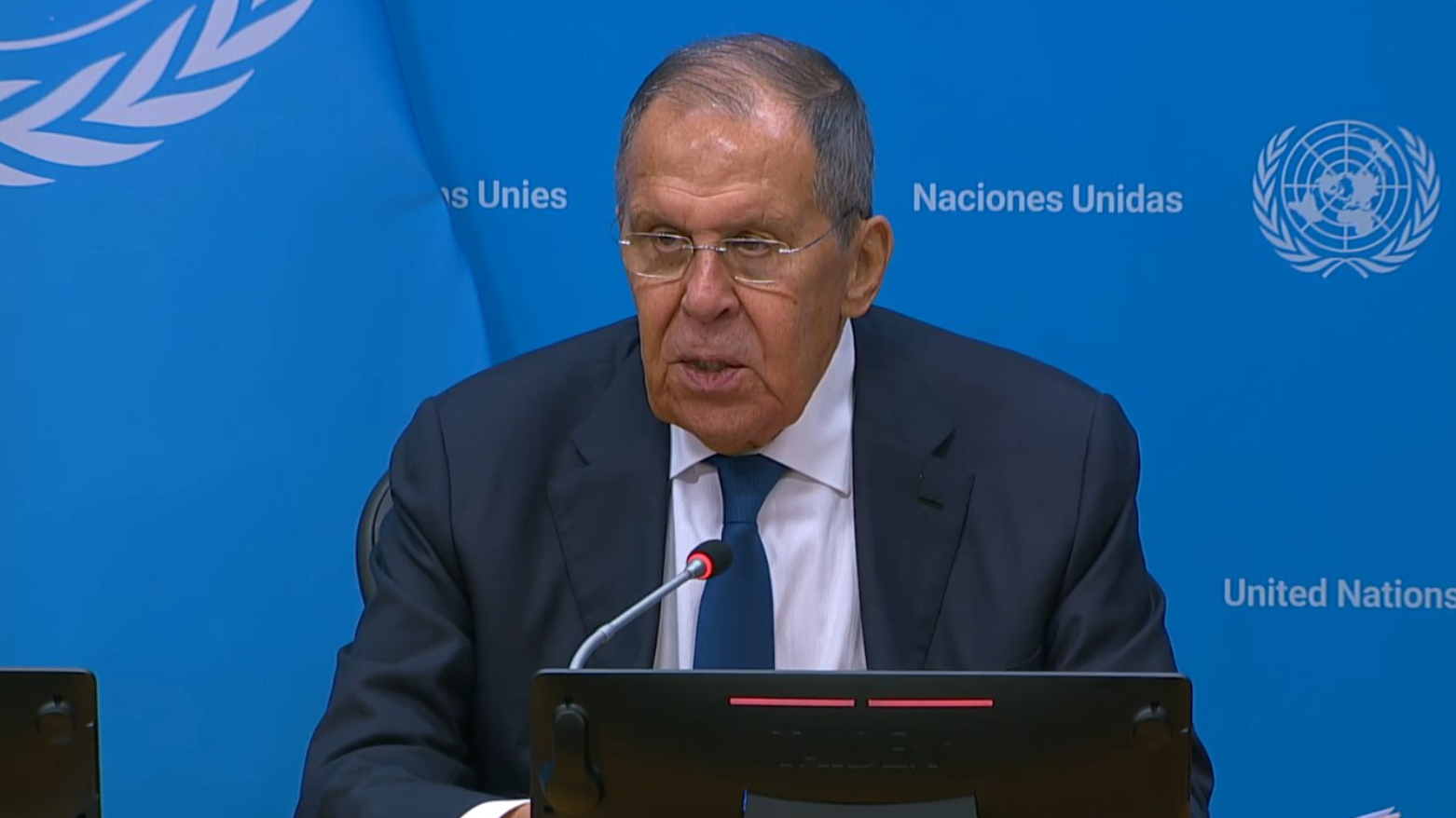
ERBIL (Kurdistan24) — Russia is ready to contribute to efforts to stabilize the Strait of Hormuz and the wider Gulf region, Foreign Minister Sergei Lavrov said Saturday, as the conflict between the United States and Iran continues to fuel tensions in the strategically vital waterway.
Speaking to world leaders at the United Nations General Assembly, Lavrov called for greater trust between Iran and the Gulf and Arab states, saying the region needs a stable security architecture.
“We need trust in the relationships between the Gulf states, the Arab states, and Iran. We need stable regional architecture,” Lavrov said.
“Russia, together with other responsible states, stands ready to constructively contribute to stabilizing this strategically important region,” he added.
The Strait of Hormuz is a critical global energy chokepoint through which a significant share of the world’s oil and liquefied natural gas supplies passes.
Any prolonged disruption to shipping through the waterway could have broader consequences for global energy markets and regional security.
Lavrov’s remarks come as Moscow seeks to position itself as a diplomatic actor amid the widening confrontation between Washington and Tehran, while maintaining its longstanding political and strategic ties with Iran.
Lavrov Says Russia Will Achieve Ukraine War Aims
In separate remarks at the UN, Lavrov said Russia would achieve its military objectives in Ukraine regardless of circumstances.
“The aims of the special military operation will be achieved, the threat to Russian security will be eliminated and peaceful life will come back. This will happen no matter the circumstances,” he said, using Moscow’s term for its war in Ukraine.
Russia launched its military operations in Ukraine in February 2022, and fighting has continued despite repeated diplomatic efforts aimed at reaching a settlement.
Lavrov also accused European countries of seeking to undermine efforts to negotiate an end to the conflict between Moscow and Kyiv.
“Europe is doing everything it can to thwart peace talks in which the (Donald) Trump administration is interested,” he said, referring to the US administration.
European governments have generally rejected Moscow’s terms for ending the war, while stressing the need for negotiations that preserve Ukraine’s sovereignty and security.
Lavrov’s comments at the UN therefore linked three major areas of current geopolitical tension — the US-Iran confrontation, security in the Gulf, and the war in Ukraine — as Moscow seeks a greater role in shaping diplomatic efforts surrounding each crisis.