Anti-ISIS Coalition Pledges $75 Million for Iraq, Syria
Global Coalition members pledged more than $75 million for counterterrorism, detention and humanitarian needs in Iraq and Syria as the post-OIR security phase begins.
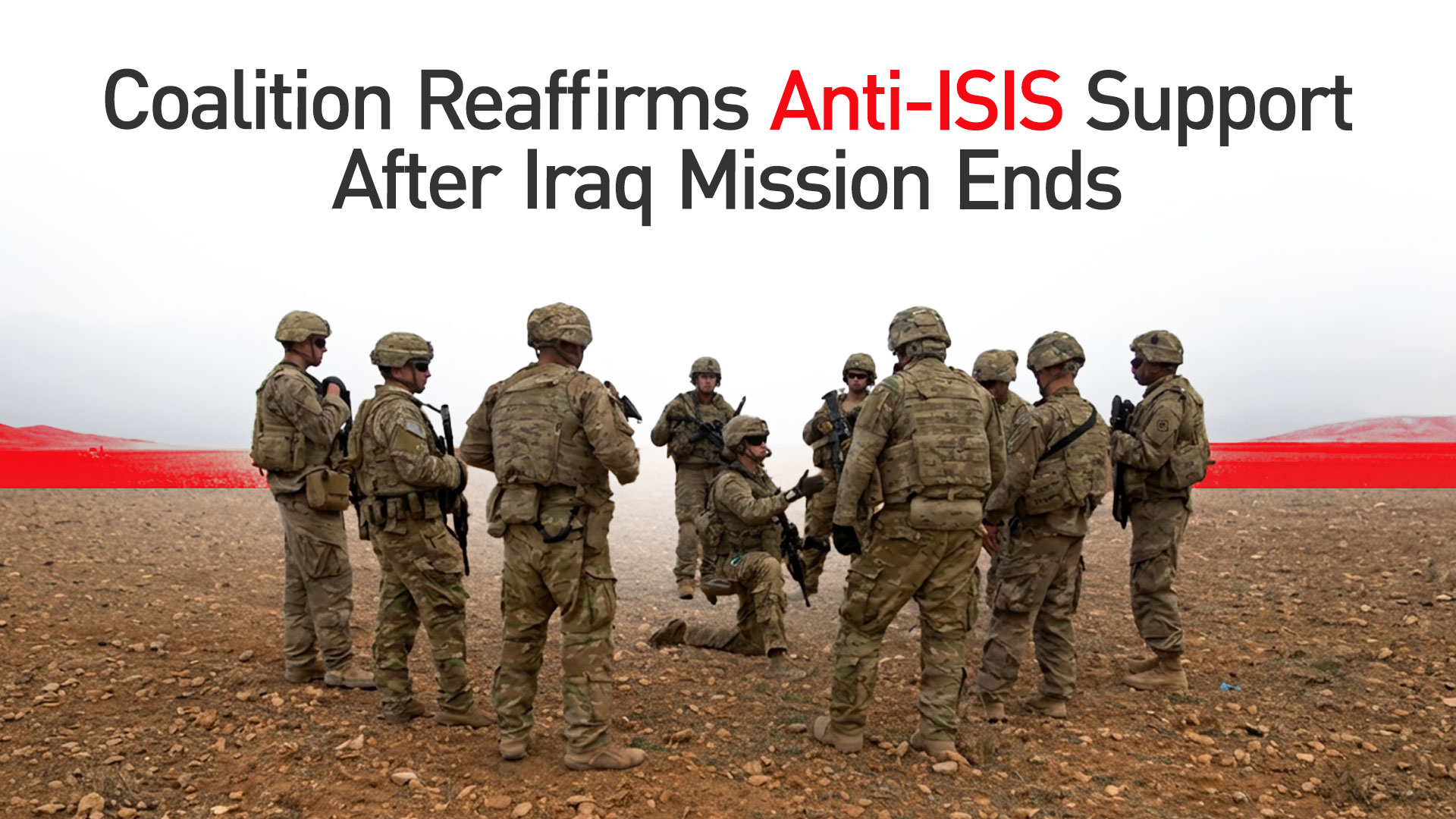
ERBIL (Kurdistan24) - Members of the Global Coalition to Defeat ISIS have pledged more than $75 million for counterterrorism and related needs in Iraq and Syria, days after the formal end of Operation Inherent Resolve's mandate in Iraq transferred primary responsibility for preventing an ISIS resurgence to Iraqi security institutions.
Italy hosted and co-chaired the Oct. 1 meeting in Rome with the United States, bringing together political directors and senior diplomats from coalition countries.
In a statement issued Friday, the U.S. State Department said coalition partners congratulated Iraq and Syria on progress made in degrading ISIS and described the end of Operation Inherent Resolve's mandate in Iraq as a result of both collective coalition efforts and Baghdad's decision to assume continuing responsibility for preventing the group from regenerating.
The meeting nevertheless made clear that the conclusion of the military mission in Iraq does not mean the end of the coalition's involvement in countering ISIS.
Participants reaffirmed the coalition as a mechanism for supporting stability in Iraq and Syria, while shifting emphasis toward strengthening the two countries' own institutions and counterterrorism capabilities.
The State Department said long-term security would depend on "inclusive, sovereign state institutions" capable of representing and protecting different communities while addressing the grievances and divisions that ISIS has historically exploited.
Coalition members said they were ready to work closely with both Baghdad and Damascus toward that goal.
Participants announced more than $75 million in commitments, covering Syrian counterterrorism requirements, expanded detention capacity, continued health and sanitation services, and assistance for displaced and detained populations in both Iraq and Syria.
The Syrian government presented what it considers priority counterterrorism needs and areas where international support remains necessary.
Iraq, meanwhile, reaffirmed what the State Department described as its continuing leadership in efforts to defeat ISIS.
The Rome meeting comes immediately after the end of the coalition's military mission in Iraq on Sept. 30.
For Iraq and the Kurdistan Region, that transition has shifted attention from the presence of foreign forces to whether Iraqi security institutions and the Peshmerga can maintain pressure on ISIS while preserving the international partnerships developed during more than a decade of war against the organization.
A Kurdistan24 analysis noted that U.S. personnel and equipment have departed Erbil Air Base and that Iraqi forces, including the Peshmerga, now carry primary responsibility for security. It also highlighted remaining concerns over air defense, gaps between Iraqi Army and Peshmerga positions and the need for continued intelligence and security cooperation.
Read More: What Iraq's 'Sovereignty Day' Means for Kurdistan After Coalition Withdrawal
Kurdistan Region officials have maintained that the end of the coalition mission should not be understood as the end of security partnerships.
Prime Minister Masrour Barzani has said relations with coalition countries will continue in security and military fields alongside economic, political and cultural cooperation, while acknowledging that ISIS remains a threat.
The post-coalition period also places greater weight on coordination between Baghdad and Erbil.
Kurdistan24 has reported that security gaps remain along stretches between Peshmerga and federal positions, although Iraqi officials say field coordination and intelligence sharing are expanding.
The Rome statement places those national responsibilities within a continuing international framework.
Rather than maintaining the previous military mission in Iraq, coalition countries are now presenting their role as one of supporting Iraqi and Syrian institutions, counterterrorism capabilities, detention systems and stabilization needs.
For Iraq, the transition therefore combines two objectives: assuming full responsibility for security at home while retaining international cooperation needed to prevent ISIS from rebuilding the networks, grievances and operational space that allowed it to expand in the past.