New Autism Training Center Opens In Sulaimani
The new center provides structured training based on individualized assessments and works closely with families to support children's development and daily-life skills.
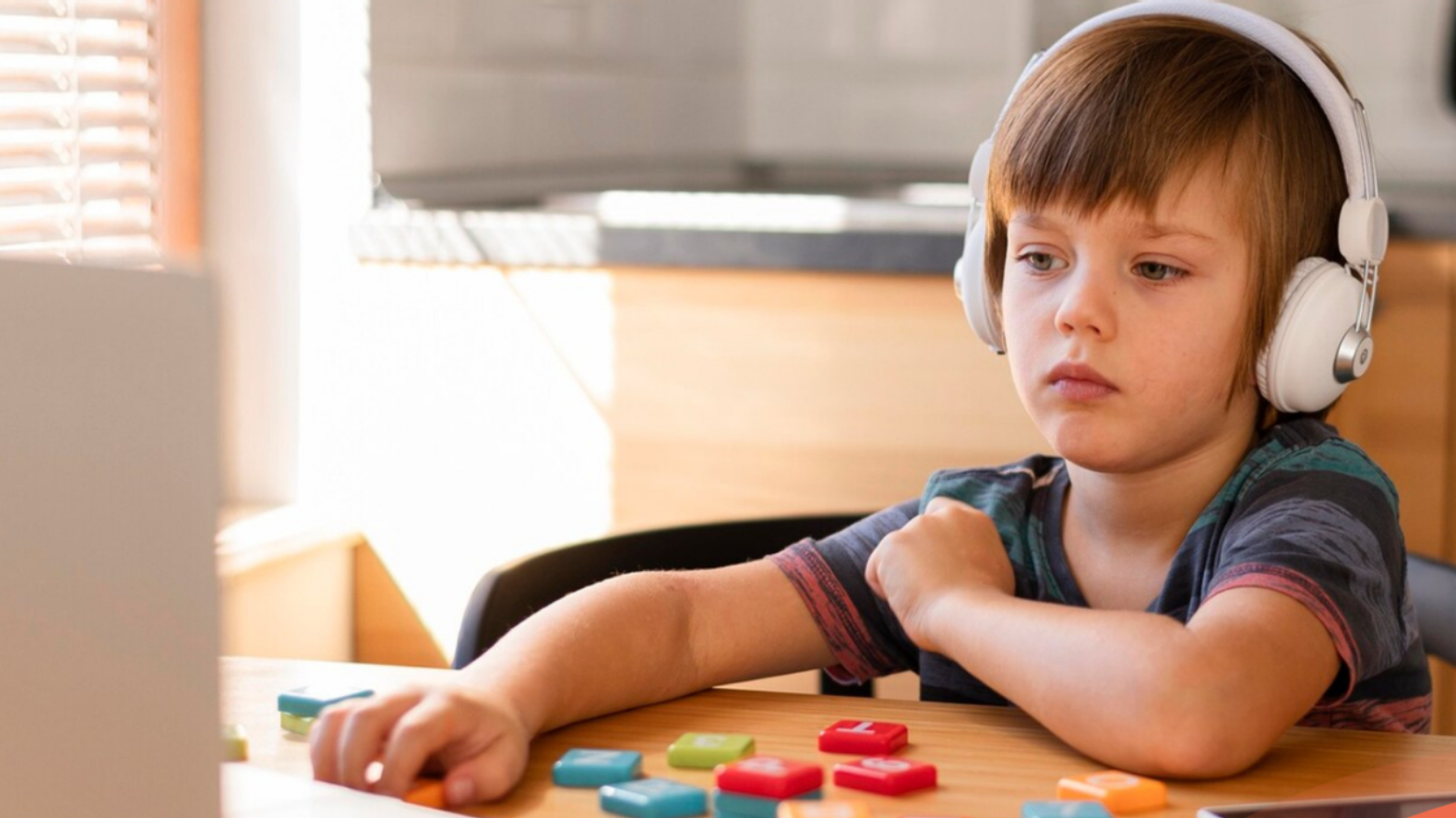
ERBIL (Kurdistan24) - A new specialized center for training children with autism and developmental challenges has opened in Sulaimani, offering services based on international standards and maintaining close coordination with the families of children receiving training.
The center's opening comes amid a broader expansion of specialized autism services across the Kurdistan Region, where the number of autism centers has increased significantly in recent years.
Parents visited the new center to familiarize themselves with its environment and explore its different sections, where their children will receive training.
Hero Mahmoud, the mother of a child with autism, told Kurdistan24 that specialized centers provide services that parents cannot fully provide at home.
“Parents have to cooperate, of course, but the three to four hours the child spends at the center gives the family a breath of fresh air and an opportunity to manage other aspects of their lives,” she said.
Mahmoud said families raising children with autism face significant challenges in their daily lives and that 90 percent of such families become socially isolated because of those difficulties.
She emphasized the importance of providing families with access to specialized centers that can support children while also giving parents greater opportunities to manage their own responsibilities.
Training at the new center is delivered according to a structured program, with weekly reports on each child's progress provided to teachers and families.
If a child experiences difficulties outside the center, the necessary intervention is also provided in coordination with the family. The center is open to all children, according to its management.
Shwan Qadir, the center's director, said children are assessed using the American VP-MAP system, which he described as the first assessment of its kind for children in Iraq.
The assessment is used to determine the type of training each child requires and the level at which the training should begin.
“After the assessment results emerge, we meet with the child's parents to determine the goals and understand what steps need to be taken for the child,” Qadir said.
The approach places families at the center of the training process, allowing parents and specialists to coordinate on the child's needs and monitor progress beyond the center itself.
The opening of the new center comes as the Kurdistan Region has seen a significant expansion in specialized facilities for children with autism.
There are now 72 autism centers across the region, according to the latest information provided by the center, including 14 government-run facilities whose primary purpose is to train and educate children with autism.
The expansion follows broader efforts by the Kurdistan Regional Government to develop autism and disability services.
In June, KRG Minister of Labor and Social Affairs Kwestan Mohamad said the number of autism centers had increased from 11 at the beginning of the current cabinet's tenure to 69, including 13 public and 56 private facilities. The ministry said the expansion was accompanied by regulatory reforms and monitoring mechanisms intended to maintain service quality.
At the time, 1,756 children were receiving services at the region's autism centers, while 3,927 children had officially been diagnosed with autism in the Kurdistan Region.
The ministry also said that only 310 of those diagnosed children were receiving government monthly allowances, while efforts were underway to secure financial rights and federal budget allocations for families.
Children with autism require more than academic training, according to the new center's approach. They also need to develop skills for managing everyday life.
The center therefore does not limit its work to direct training. It also follows up on the skills and lessons children learn at the facility and coordinates closely with their families to ensure those skills are reinforced outside the center.