Iran's Foreign Minister Says Tehran Is Ready For Diplomacy And War
Foreign Minister Abbas Araghchi says Tehran remains serious about pursuing a diplomatic solution while maintaining full military readiness in the event of US military action.
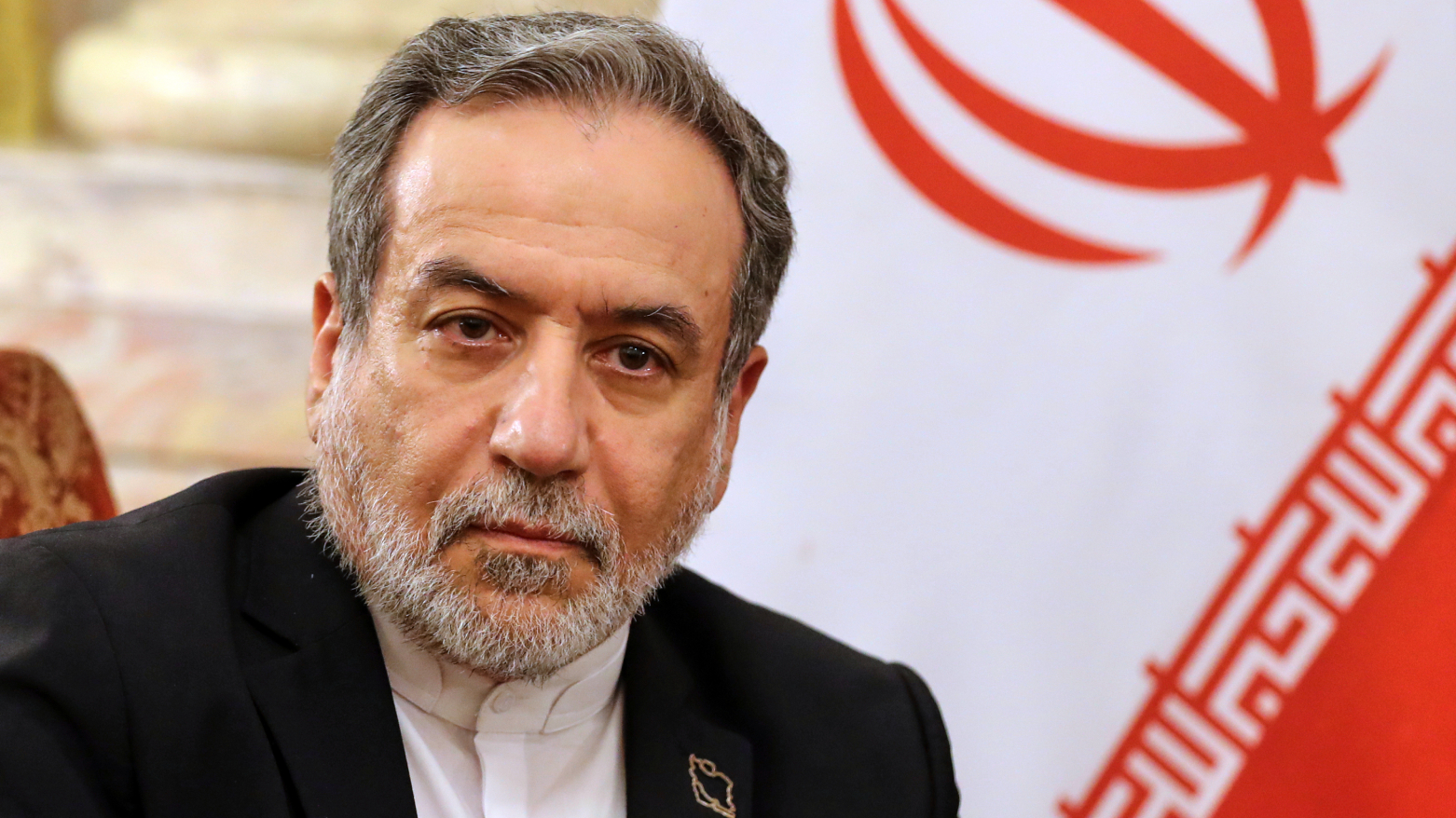
ERBIL (Kurdistan24) - Iranian Foreign Minister Abbas Araghchi said Sunday that Tehran is fully prepared for both diplomatic engagement and a military confrontation with the United States, stressing that Iran is pursuing a peaceful solution while remaining ready to respond to any military attack.
Araghchi said Iran is approaching the situation on two parallel tracks: seeking a peaceful and diplomatic resolution on one hand, and defending itself with what he described as a devastating response to any military aggression on the other.
In his message, Araghchi said Tehran is serious about finding a diplomatic solution and reaching what he described as a just settlement.
He said Iran's message to its adversaries is clear, while expressing hope that Washington will choose what he called the “logical path.”
At the same time, the Iranian foreign minister warned that Tehran is fully prepared to deliver its strongest and most destructive response should it face any military attack or aggression.
Araghchi said Iran hopes the United States will pursue diplomacy rather than military action, but stressed that Tehran is prepared if Washington chooses to take military steps.
Araghchi's remarks come two days after Iran's Islamic Revolutionary Guard Corps (IRGC) warned the United States and Israel that what it described as an “era of cost-free threats” had ended.
In a statement marking the second anniversary of Iran's “True Promise 2” operation, the IRGC said its forces were on full alert and prepared to respond to any hostile action.
The statement described the Oct. 1 operation as a response to the killing of resistance-front leaders Ismail Haniyeh, Hassan Nasrallah and Abbas Nilforoushan. The IRGC said its Aerospace Force had targeted areas deep inside Israeli territory using advanced missiles and precision drones.
The Revolutionary Guards said the operation was intended to demonstrate Iran's retaliatory capabilities and warned that any future aggression would be met with what it described as a painful and deterrent response.
The IRGC also said its forces remained fully prepared and, based on intelligence concerning US and Israeli bases and movements, were ready to respond to any threat or miscalculation.
It warned that any future response would be decisive and immediate and described it as potentially more severe than the previous operation.